India +91 94223 00020abhay@splendidlab.comISO 17034:2016 · GLP certified
Acetaminophen is a widely used analgesic and antipyretic agent, classified as a non-opioid medication effective for the short-term relief of mild to moderate pain and the reduction of fever. In pharmaceutical… Read more
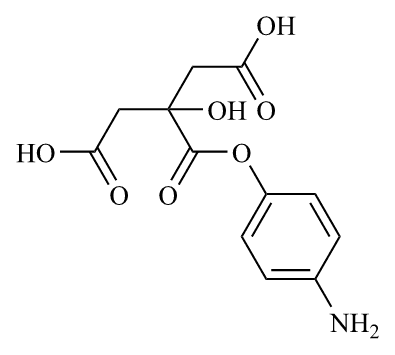
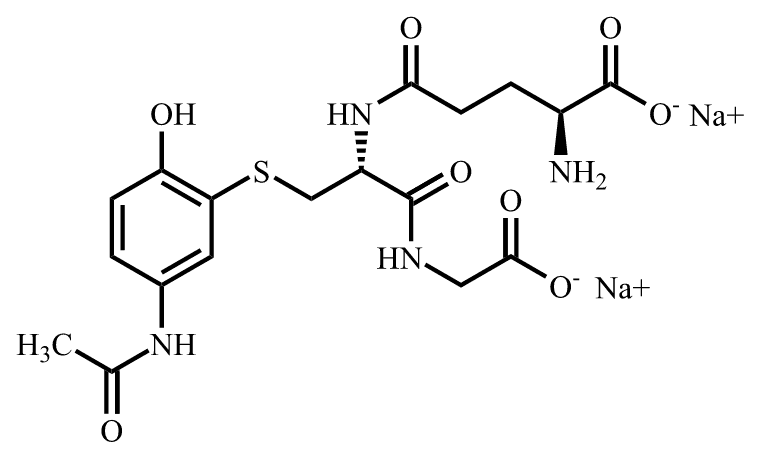
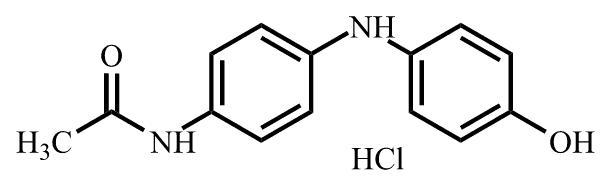
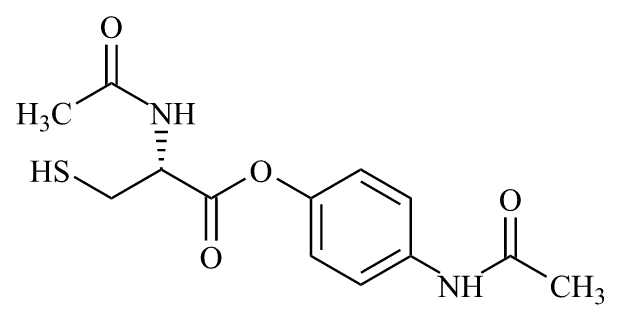
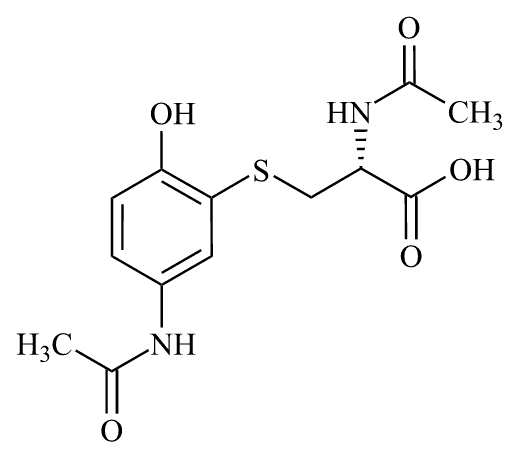
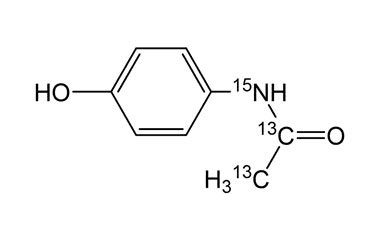
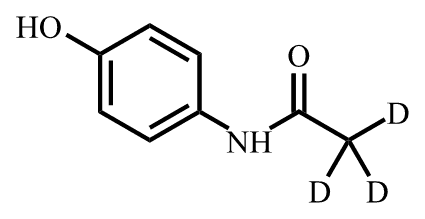
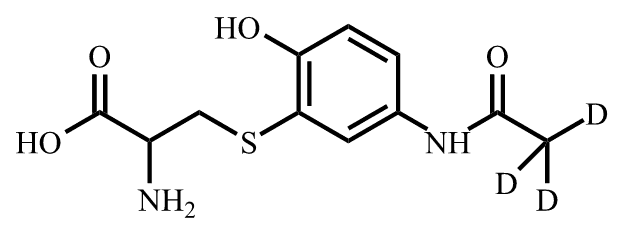
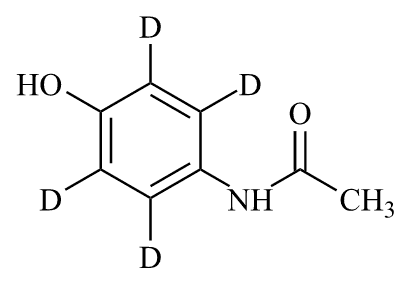
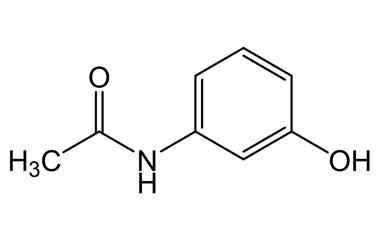

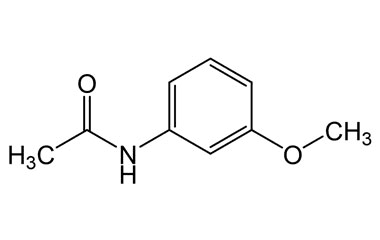


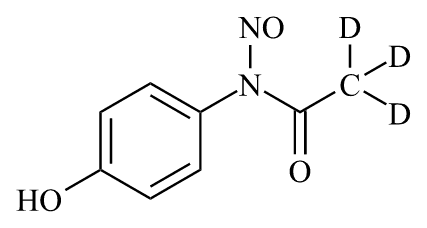
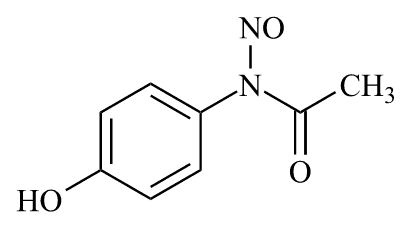
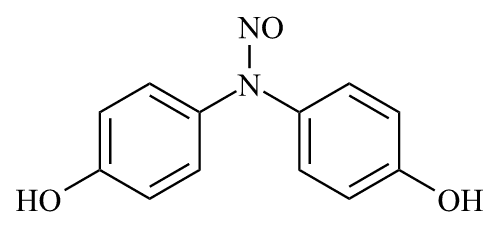

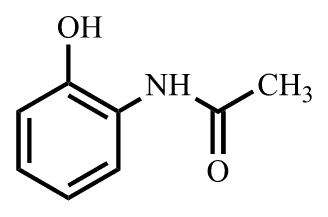
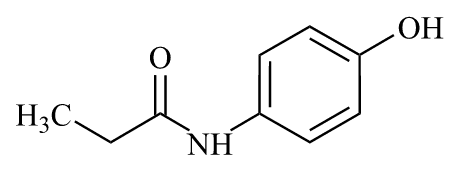
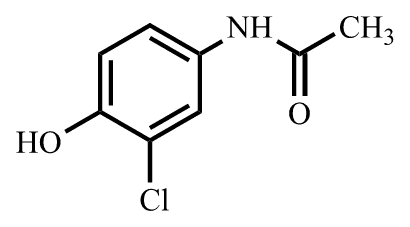
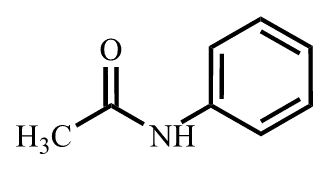


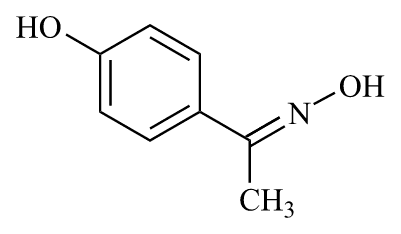
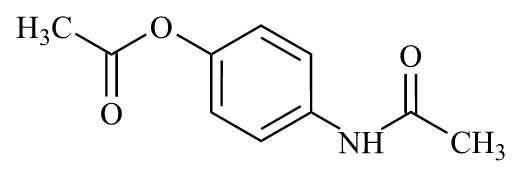
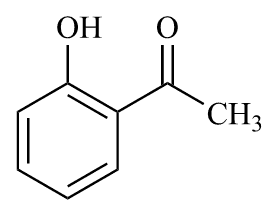

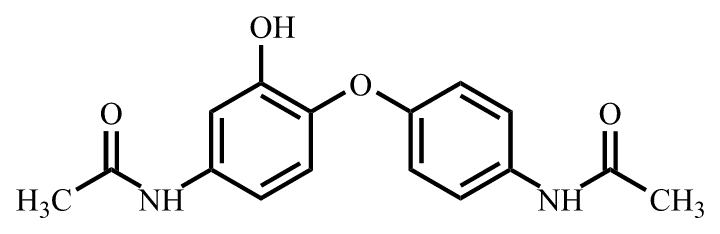
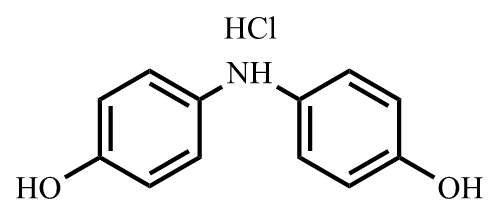
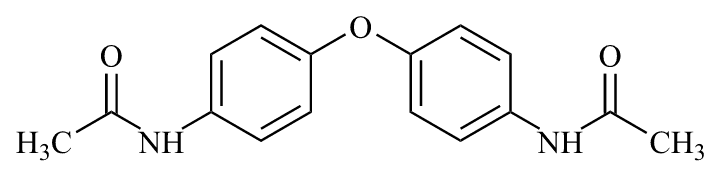

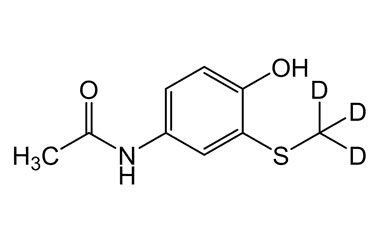
Acetaminophen is a widely used analgesic and antipyretic agent, classified as a non-opioid medication effective for the short-term relief of mild to moderate pain and the reduction of fever. In pharmaceutical research and quality control, laboratories utilize a comprehensive suite of related compounds, including pharmacopeial and non-pharmacopeial impurities, to ensure drug safety and regulatory compliance. These reference standards are critical for rigorous impurity profiling, enabling the accurate identification and quantification of process-related impurities, degradation products, and synthetic intermediates during batch release and stability testing. Additionally, stable isotope labelled compounds are indispensable tools for metabolic studies and mass spectrometry-based analytical methods. By employing these well-characterized reference materials, analysts can perform robust method development and validation, ensuring that pharmaceutical formulations consistently meet international standards for quality, efficacy, and safety throughout their lifecycle.

