India +91 94223 00020abhay@splendidlab.comISO 17034:2016 · GLP certified
Afatinib is an irreversible, second-generation tyrosine kinase inhibitor of the ErbB family, specifically used in the treatment of patients with metastatic non-small cell lung cancer (NSCLC) harboring… Read more
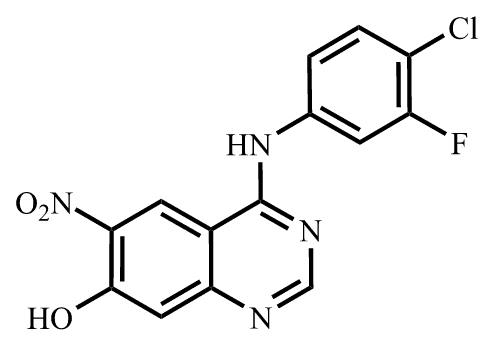


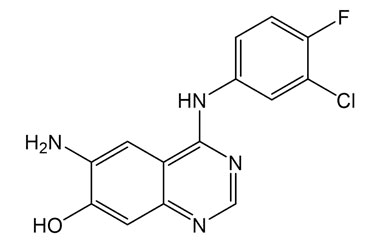


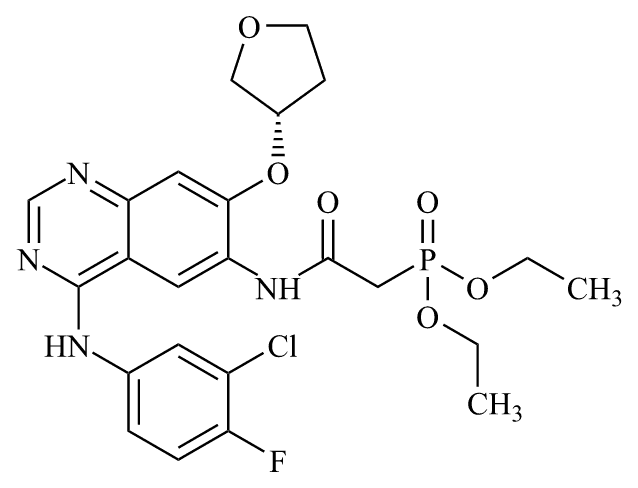
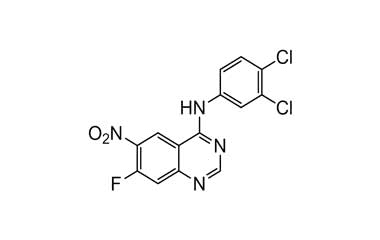
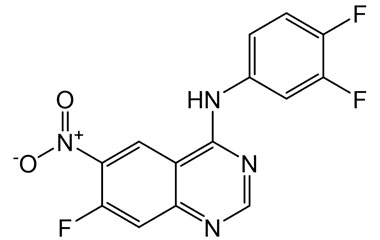
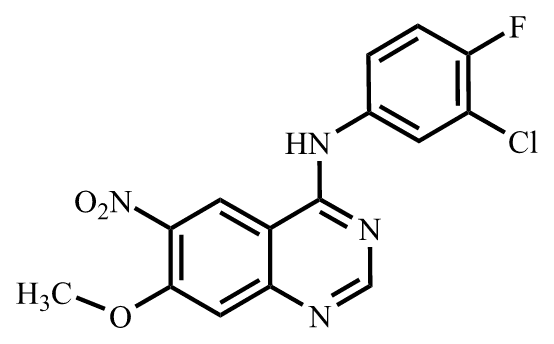


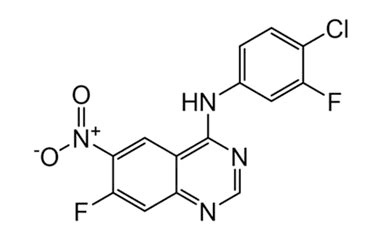
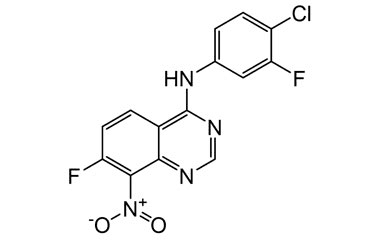
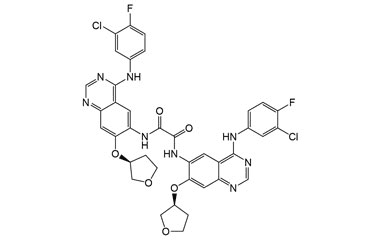

Afatinib is an irreversible, second-generation tyrosine kinase inhibitor of the ErbB family, specifically used in the treatment of patients with metastatic non-small cell lung cancer (NSCLC) harboring certain epidermal growth factor receptor (EGFR) mutations. As a potent antineoplastic agent, its production and quality assurance require rigorous analytical oversight. This category provides a comprehensive selection of reference standards, including the Afatinib active pharmaceutical ingredient (API), related process impurities, degradation products, and stable isotope labelled compounds. Pharmaceutical laboratories utilize these high-quality materials for precise impurity profiling, method validation, and routine quality control testing. By employing these analytical standards, researchers can effectively monitor drug substance purity, confirm structural identity, and ensure compliance with regulatory guidelines during stability studies and batch release. These tools are essential for maintaining therapeutic efficacy and patient safety throughout the drug development and manufacturing lifecycle.

