India +91 94223 00020abhay@splendidlab.comISO 17034:2016 · GLP certified
Avibactam is a non-β-lactam β-lactamase inhibitor primarily used in combination with ceftazidime to treat serious Gram-negative bacterial infections, including complicated intra-abdominal infections, complicated… Read more


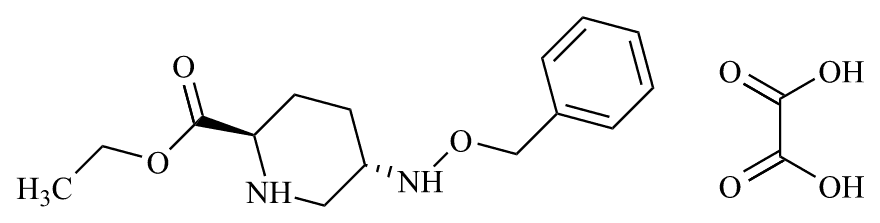

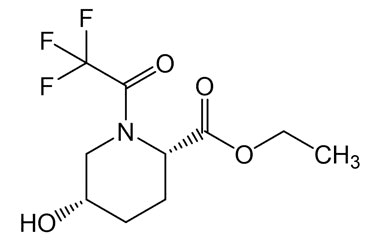


Avibactam is a non-β-lactam β-lactamase inhibitor primarily used in combination with ceftazidime to treat serious Gram-negative bacterial infections, including complicated intra-abdominal infections, complicated urinary tract infections, and hospital-acquired pneumonia. By inhibiting a wide range of β-lactamase enzymes, this compound restores the efficacy of cephalosporin antibiotics against resistant pathogens. Pharmaceutical laboratories utilize this category of reference standards to ensure rigorous quality control and regulatory compliance. These highly characterized materials, including related impurities, metabolites, and stable isotope labelled compounds, are essential for accurate impurity profiling and analytical method validation. By serving as reliable benchmarks, they allow researchers to identify, quantify, and monitor process-related substances and degradation products throughout the drug development lifecycle. The inclusion of stable isotope labelled standards further supports precise quantification in complex bioanalytical studies, ensuring that testing processes meet established safety and efficacy benchmarks.

