India +91 94223 00020abhay@splendidlab.comISO 17034:2016 · GLP certified
Bilastine is a second-generation, non-sedating H1-antihistamine used to treat allergic rhinitis and chronic urticaria. As a selective peripheral H1 receptor antagonist, it effectively alleviates allergic… Read more


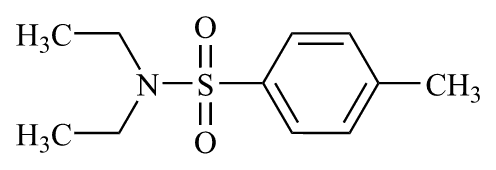
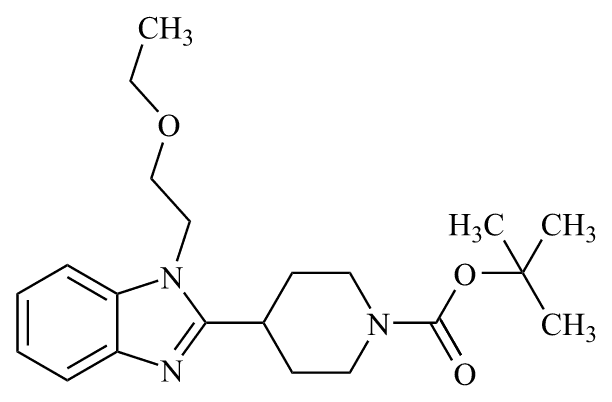


Bilastine is a second-generation, non-sedating H1-antihistamine used to treat allergic rhinitis and chronic urticaria. As a selective peripheral H1 receptor antagonist, it effectively alleviates allergic symptoms while minimizing the sedative effects typically associated with first-generation antihistamines. To support the rigorous demands of pharmaceutical analysis, this category includes a comprehensive range of Bilastine reference standards, covering pharmacopeial and non-pharmacopeial impurities, degradation products, metabolites, and stable isotope labelled compounds. These materials are essential for pharmaceutical laboratories during critical activities such as impurity profiling, method validation, and routine quality control. By providing access to structurally characterized related substances and synthetic intermediates, these standards enable researchers to maintain regulatory compliance and ensure the safety, stability, and efficacy of the drug product. These resources are vital for monitoring manufacturing processes, conducting forced degradation studies, and performing reliable, consistent analytical investigations throughout the drug development lifecycle.

