India +91 94223 00020abhay@splendidlab.comISO 17034:2016 · GLP certified
Chlorhexidine is a cationic bisbiguanide antiseptic widely utilized in medical, dental, and pharmaceutical applications for its broad-spectrum antimicrobial efficacy. As a potent agent for skin disinfection,… Read more
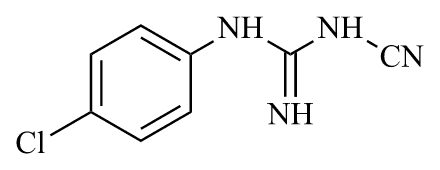
Chlorhexidine is a cationic bisbiguanide antiseptic widely utilized in medical, dental, and pharmaceutical applications for its broad-spectrum antimicrobial efficacy. As a potent agent for skin disinfection, oral hygiene, and the treatment of inflammatory conditions, maintaining the quality of its formulations is critical. Laboratories utilize a comprehensive range of reference standards to support this objective, including pharmacopeial and non-pharmacopeial impurities, degradation products, and stable isotope labelled compounds. These materials are essential for rigorous impurity profiling, enabling scientists to identify and quantify related substances formed during synthesis or through environmental degradation. By providing precise standards for analytical testing, these compounds facilitate the validation of high-performance liquid chromatography and other stability-indicating methods. This essential resource set ensures robust quality control, assisting in the development of consistent, safe, and stable antimicrobial products for diverse clinical use.


![Chemical structure of N1-(4-chlorophenyl)-N3-[6-[[N-[(5E,6E)-5-hydroxy-4-oxo-6-[(1R,2R)-1,2,3-trihydroxypropyl]-5,6-dihydro-4H-1,3-oxazin-2-yl]carbamimidoyl]amino]hexyl]imidodicarbonimidic diamide](/_next/image?url=https%3A%2F%2Fassets.splendidlab.com%2FN1-4-chlorophenyl-N3-6-N-5E6E-5-hydroxy-4-oxo-6-1R2R-123-trihydroxypropyl-56-dihydro-4H-13-oxazin-2-ylcarbamimidoylaminohexylimidodicarbonimidic-diami.png&w=3840&q=75)