India +91 94223 00020abhay@splendidlab.comISO 17034:2016 · GLP certified
Crizotinib is a tyrosine kinase inhibitor primarily used to treat patients with non-small cell lung cancer, as well as other conditions such as inflammatory myofibroblastic tumors, characterized by specific… Read more
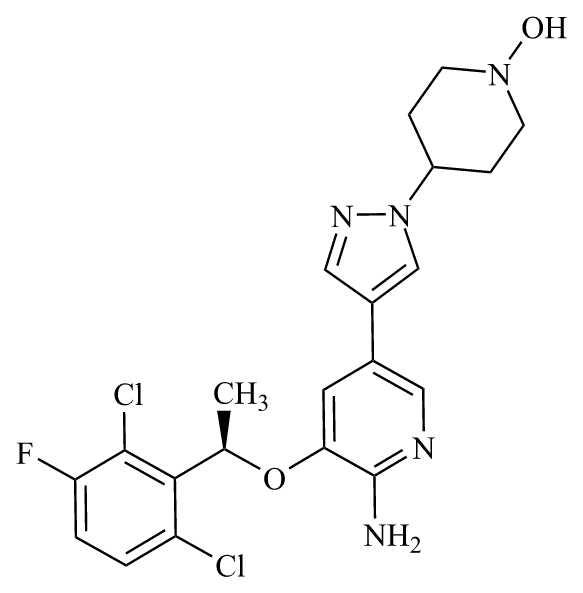
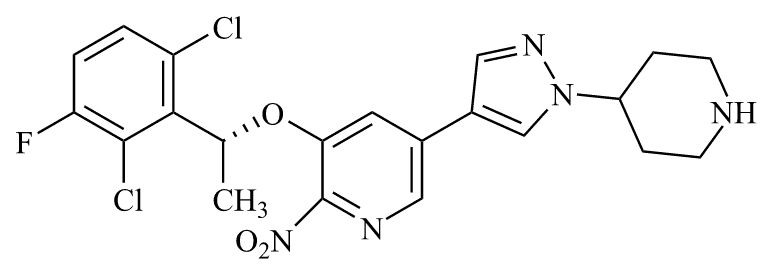
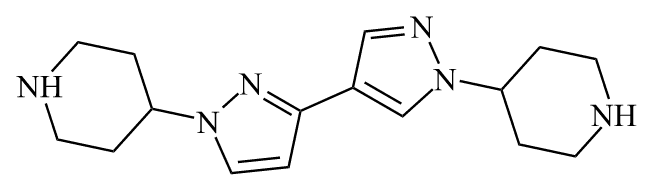
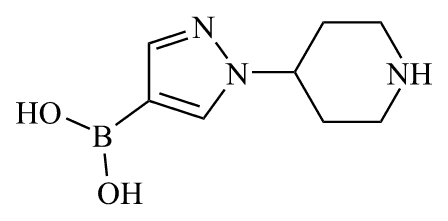
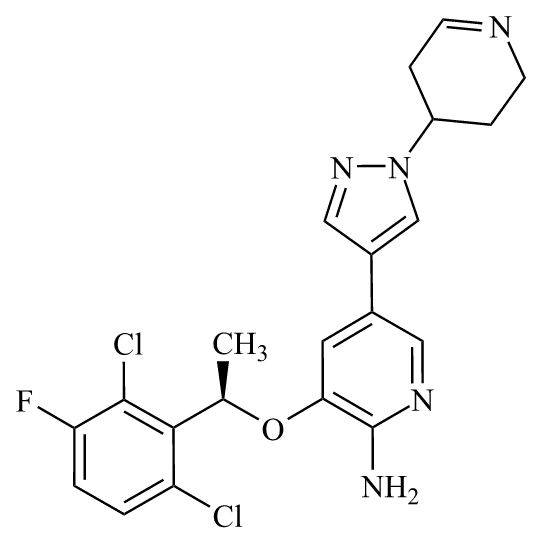
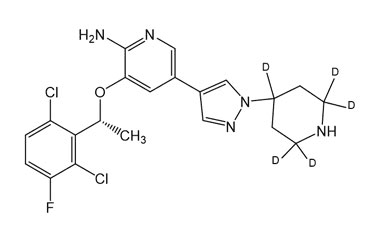

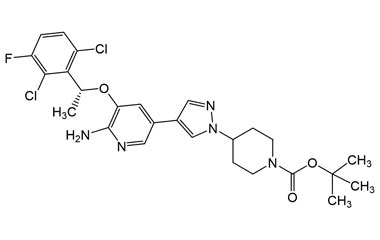
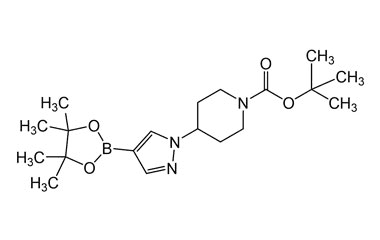
Crizotinib is a tyrosine kinase inhibitor primarily used to treat patients with non-small cell lung cancer, as well as other conditions such as inflammatory myofibroblastic tumors, characterized by specific gene rearrangements including ALK and ROS1. As a targeted therapy, it blocks the activity of receptor tyrosine kinases to inhibit tumor cell proliferation. To ensure the quality, safety, and efficacy of this pharmaceutical product, laboratories rely on a comprehensive range of related compounds. These include reference standards for the active pharmaceutical ingredient, its pharmacopeial and non-pharmacopeial impurities, and relevant metabolites. These materials are essential for rigorous impurity profiling, analytical method validation, and routine quality control. Additionally, stable isotope labelled compounds are frequently employed as internal standards in mass spectrometry-based assays, providing the precision needed for accurate quantification and pharmacokinetic studies. These standards support the development and maintenance of robust analytical procedures throughout the drug lifecycle.

