India +91 94223 00020abhay@splendidlab.comISO 17034:2016 · GLP certified
Darunavir is a potent second-generation HIV protease inhibitor used in the treatment of HIV-1 infection, typically administered in combination with ritonavir or cobicistat to improve its pharmacokinetic… Read more
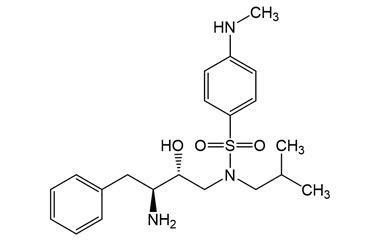


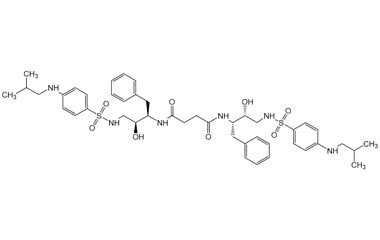


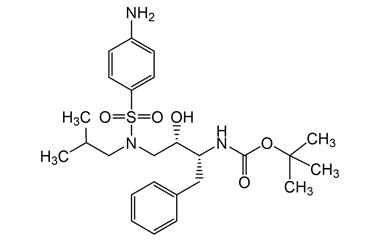
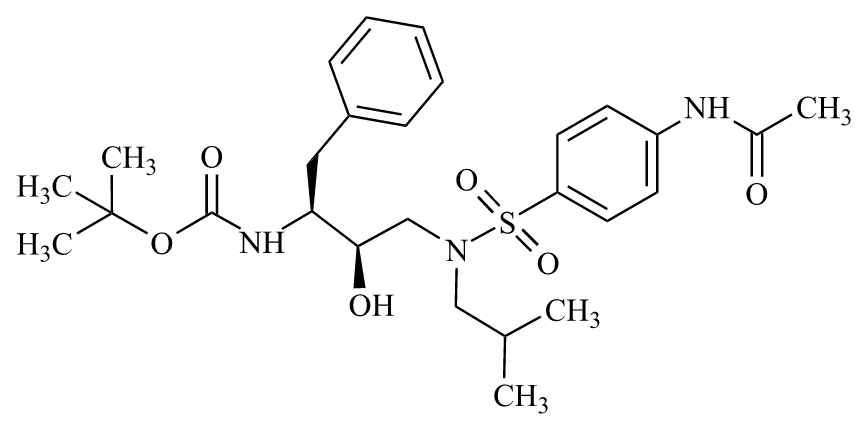
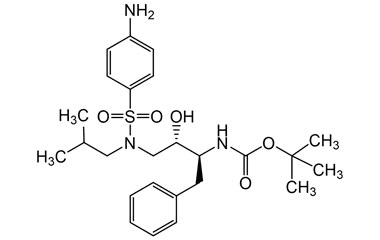
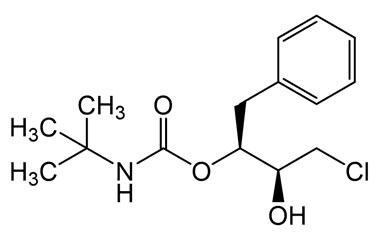
Darunavir is a potent second-generation HIV protease inhibitor used in the treatment of HIV-1 infection, typically administered in combination with ritonavir or cobicistat to improve its pharmacokinetic profile. To ensure rigorous quality control and regulatory compliance, pharmaceutical laboratories utilize a comprehensive range of Darunavir reference standards, including synthetic intermediates, degradation products, and process-related impurities. These materials are essential for accurate impurity profiling, supporting the development and validation of sensitive analytical methods such as HPLC and LC-MS/MS. Furthermore, the inclusion of stable isotope labelled compounds provides critical internal standards for precise quantification in bioanalytical studies and pharmacopeial testing. By providing well-characterized benchmarks, these reference materials facilitate the identification and qualification of potential impurities, ensuring the safety, efficacy, and consistency of the final drug product throughout its development and manufacturing lifecycle.

