India +91 94223 00020abhay@splendidlab.comISO 17034:2016 · GLP certified
Dexamethasone is a potent synthetic glucocorticoid used to treat a wide range of conditions involving inflammation, autoimmune disorders, and allergic reactions. As a member of the corticosteroid class,… Read more
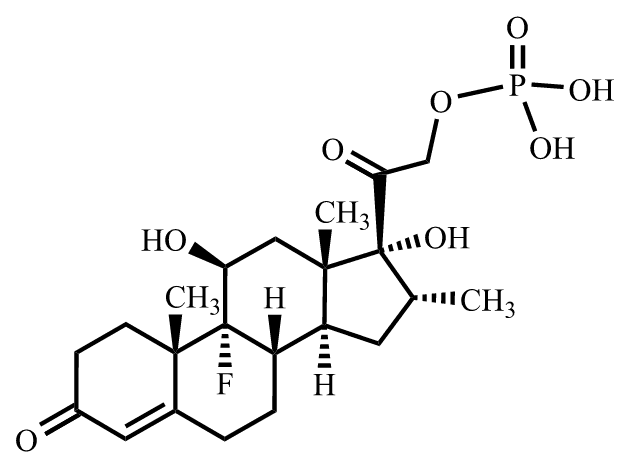


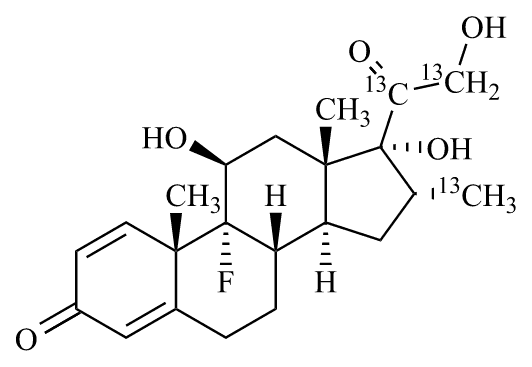


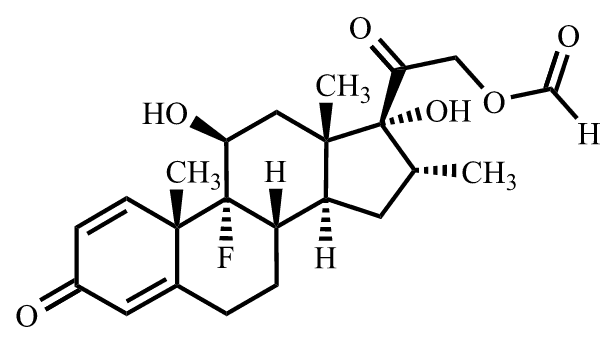

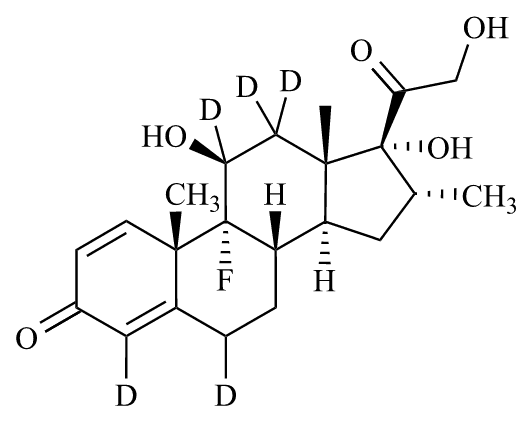


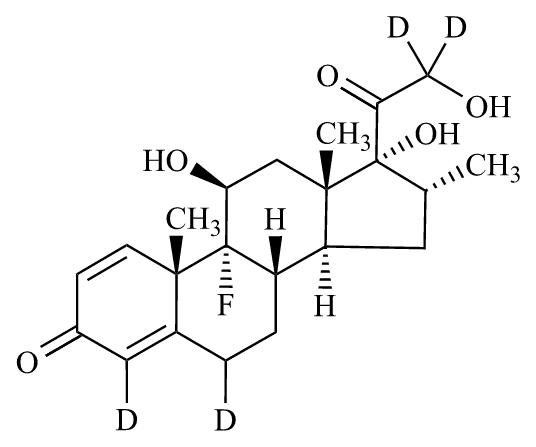


Dexamethasone is a potent synthetic glucocorticoid used to treat a wide range of conditions involving inflammation, autoimmune disorders, and allergic reactions. As a member of the corticosteroid class, it functions by regulating immune responses and metabolism, often serving as a critical therapy for inflammatory, rheumatic, and endocrine conditions. Laboratories require high-quality reference standards of dexamethasone and its related compounds—including process impurities, degradation products, and metabolites—to ensure rigorous quality control and regulatory compliance. These compounds are essential for accurate impurity profiling, supporting the identification and quantification of trace contaminants in drug substances. Furthermore, stable isotope labelled compounds are utilized as internal standards in advanced analytical techniques like LC-MS/MS, providing the precision necessary for method validation and pharmacokinetic studies. By utilizing these materials, researchers can reliably assess drug purity, stability, and performance throughout the pharmaceutical development and manufacturing lifecycle.

