India +91 94223 00020abhay@splendidlab.comISO 17034:2016 · GLP certified
Haloperidol is a high-potency, typical antipsychotic medication of the butyrophenone class, widely utilized in the clinical management of schizophrenia, acute psychosis, delirium, and Tourette's syndrome.… Read more
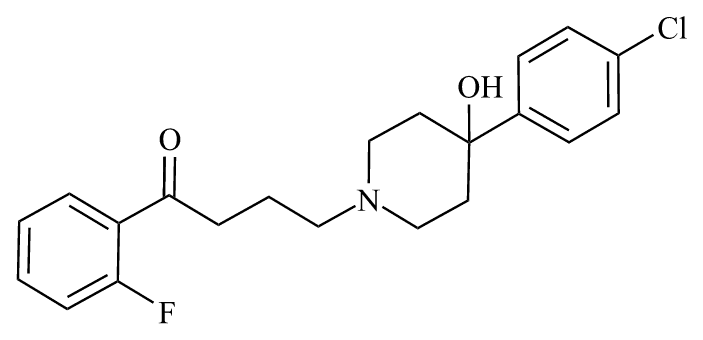
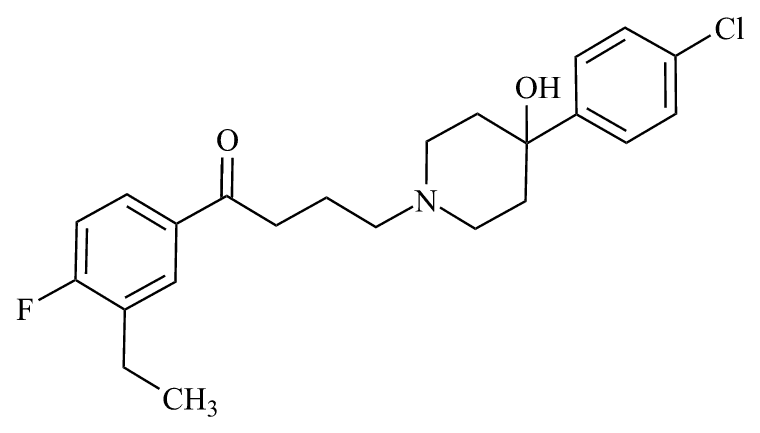
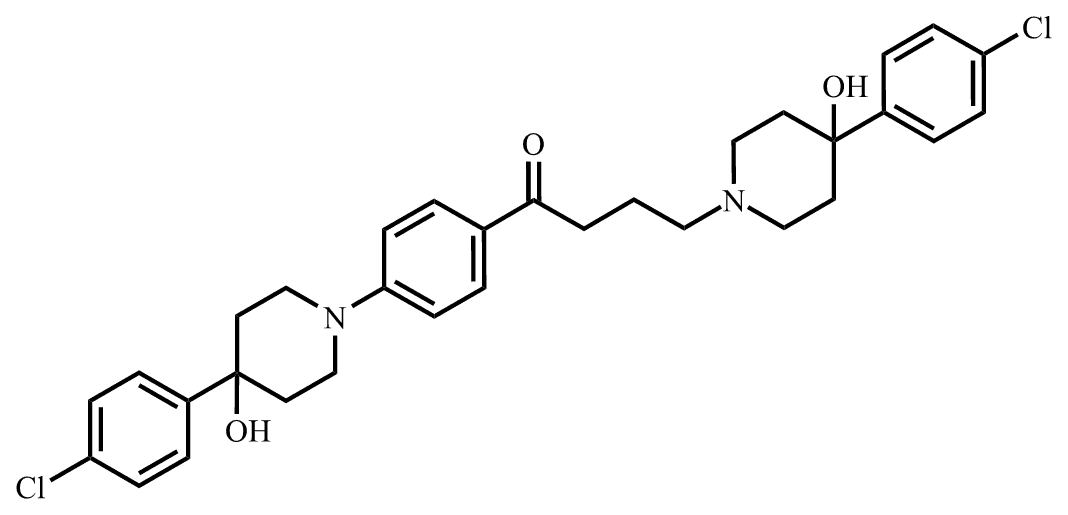
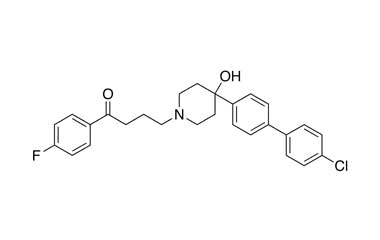
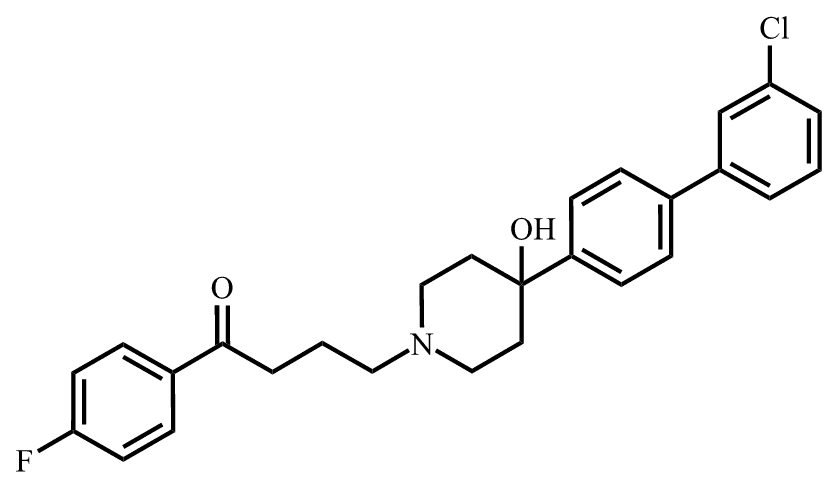
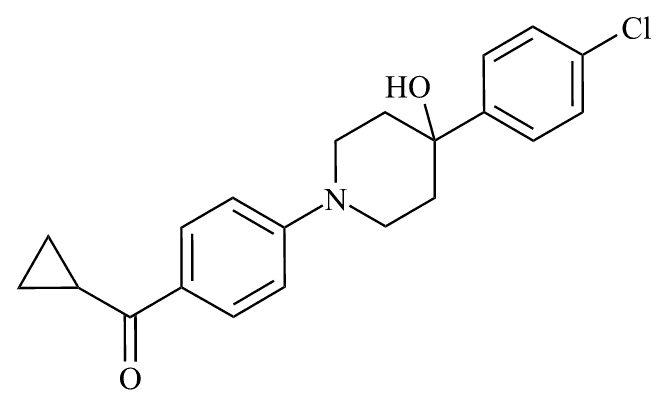
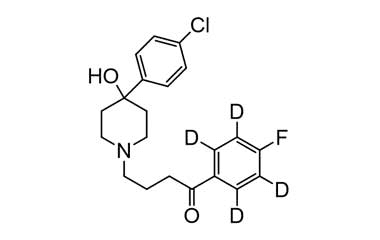


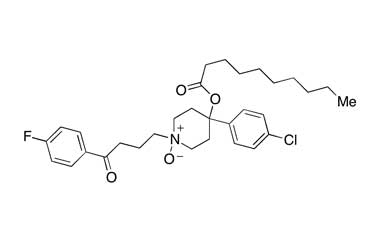


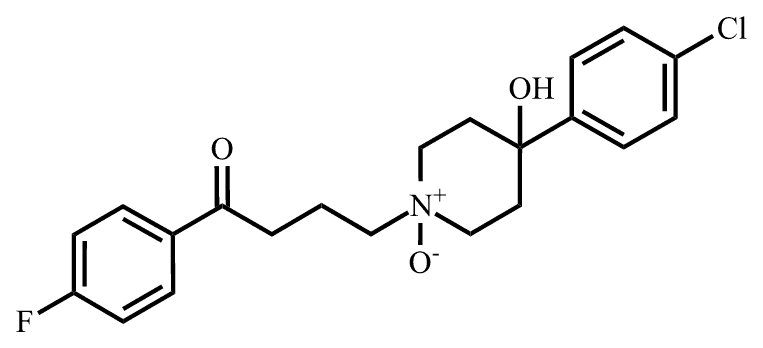
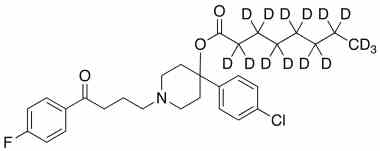

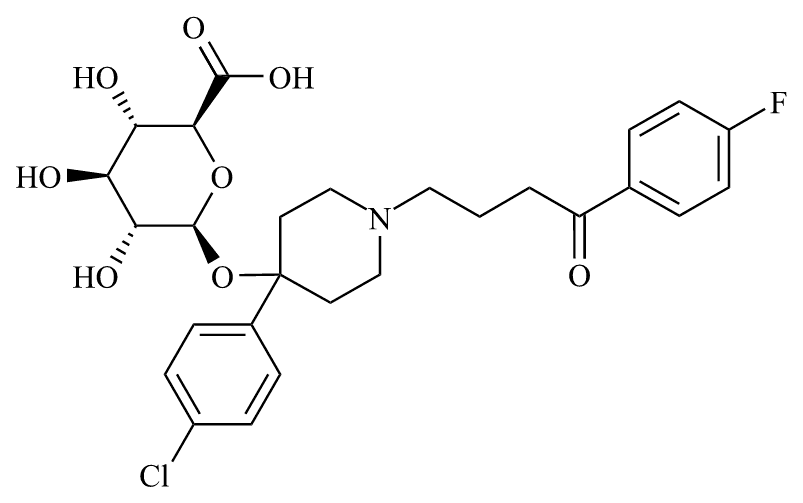
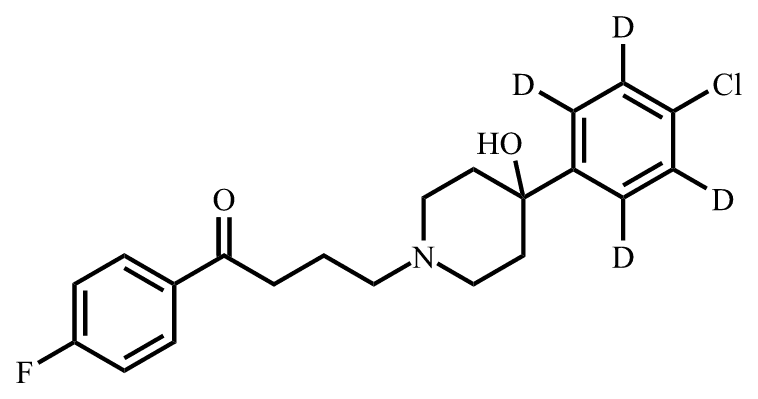
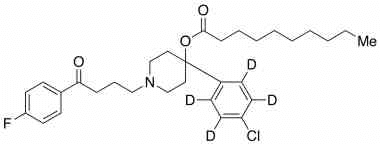
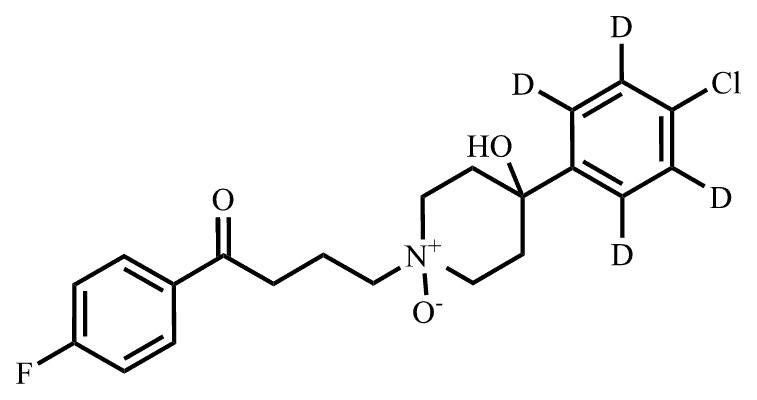
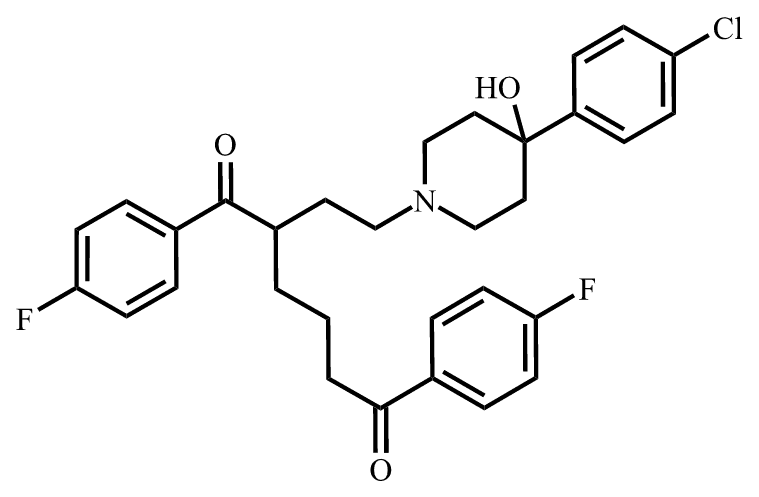
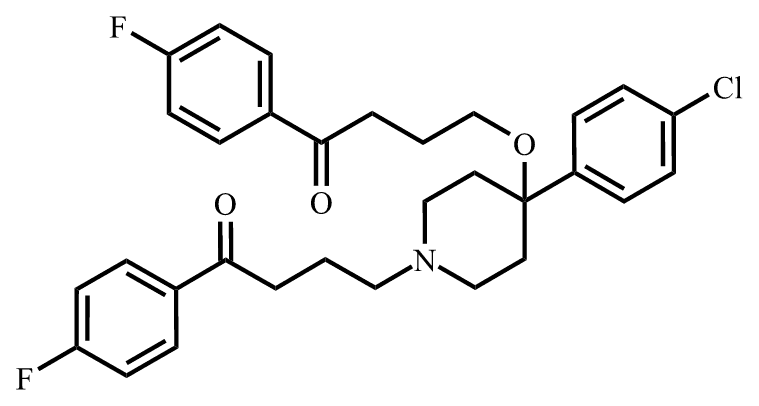
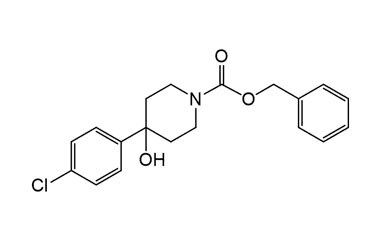
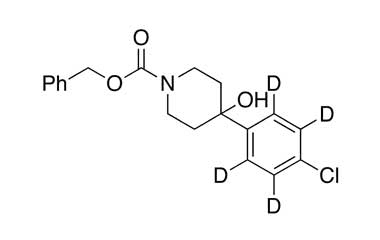
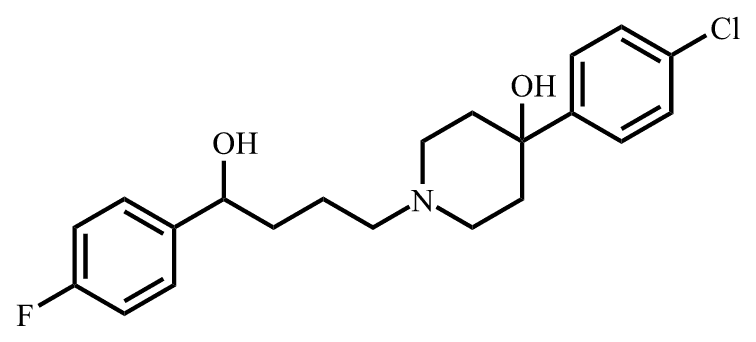
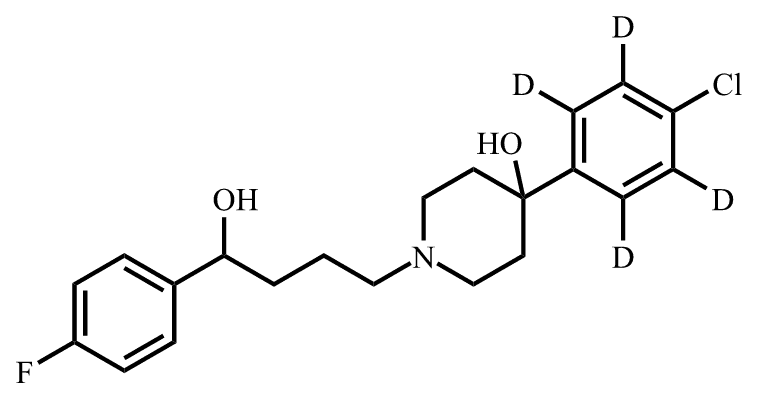

Haloperidol is a high-potency, typical antipsychotic medication of the butyrophenone class, widely utilized in the clinical management of schizophrenia, acute psychosis, delirium, and Tourette's syndrome. This agent functions primarily as a selective dopamine D2 receptor antagonist, exerting its therapeutic effects by modulating dopaminergic signaling pathways in the brain. To support the rigorous demands of pharmaceutical quality control, this category provides a comprehensive selection of reference standards, including pharmacopeial and non-pharmacopeial impurities, degradation products, and metabolites. These compounds are essential for accurate impurity profiling, allowing laboratories to identify and quantify potential contaminants throughout the drug lifecycle. Furthermore, the inclusion of stable isotope labelled compounds facilitates precise quantitative analysis and system suitability testing during analytical method validation. By utilizing these highly characterized materials, researchers and quality control professionals can ensure the regulatory compliance, safety, and therapeutic efficacy of haloperidol-based pharmaceutical products.

