India +91 94223 00020abhay@splendidlab.comISO 17034:2016 · GLP certified
Levocetirizine is a potent, third-generation non-sedative antihistamine and the active enantiomer of cetirizine, which functions as an inverse agonist at histamine H1 receptors to treat allergic rhinitis… Read more
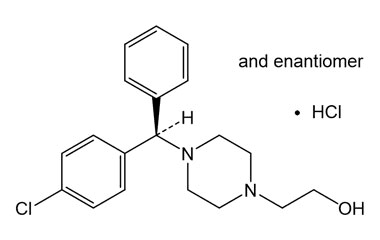


Levocetirizine is a potent, third-generation non-sedative antihistamine and the active enantiomer of cetirizine, which functions as an inverse agonist at histamine H1 receptors to treat allergic rhinitis and chronic idiopathic urticaria. In pharmaceutical analysis, the availability of high-quality reference standards is essential for the rigorous quality control and characterization of this drug. These reference standards, alongside a comprehensive suite of process-related impurities, potential degradants, and specific metabolites, support precise impurity profiling and the development of validated analytical methods. Furthermore, stable isotope labelled compounds are critical in specialized laboratory environments, serving as reliable internal standards for quantitative analysis using techniques such as mass spectrometry. By providing the essential chemical materials required for systematic method validation, this range of standards helps ensure the safety, efficacy, and consistency of pharmaceutical formulations throughout the development and manufacturing lifecycle, adhering to global regulatory requirements for drug testing.

