India +91 94223 00020abhay@splendidlab.comISO 17034:2016 · GLP certified
Linagliptin is a dipeptidyl peptidase-4 (DPP-4) inhibitor used in the management of type 2 diabetes mellitus to improve glycemic control by increasing insulin secretion and suppressing glucagon release.… Read more
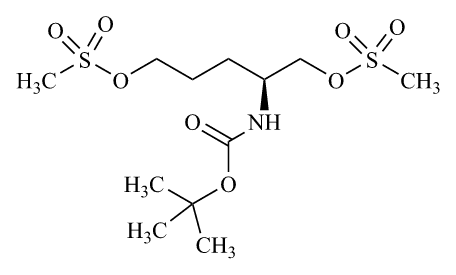

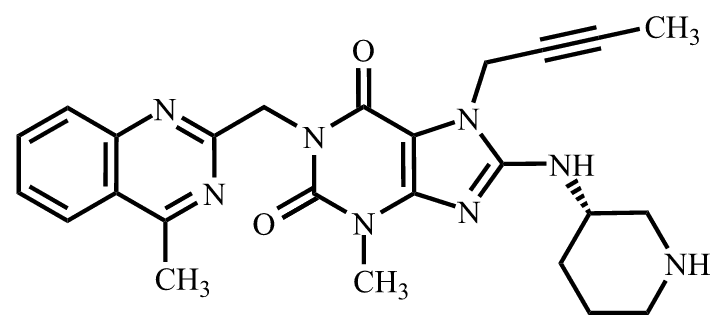

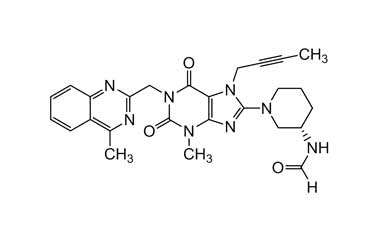


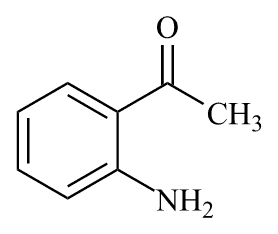
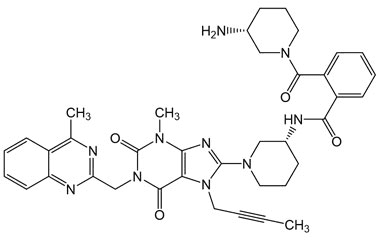


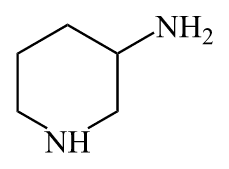

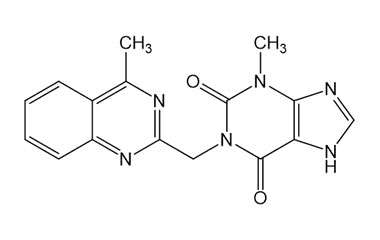

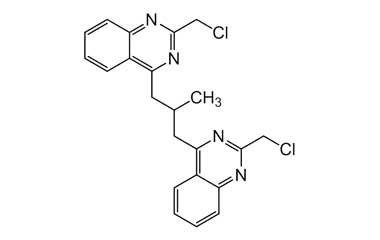
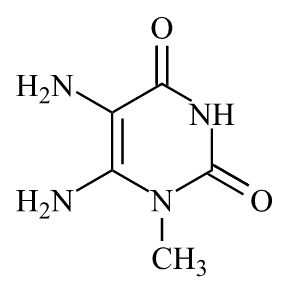
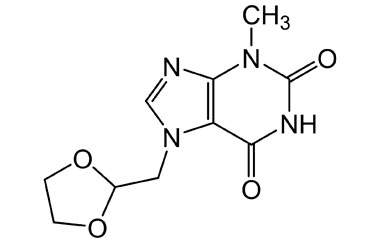

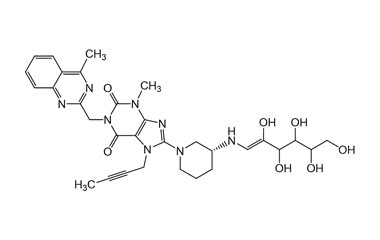
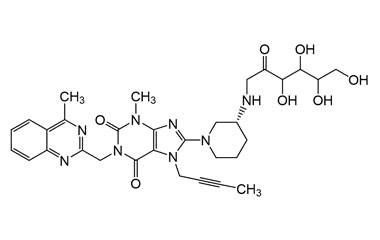
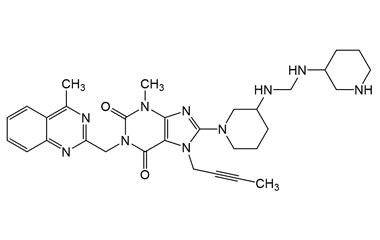


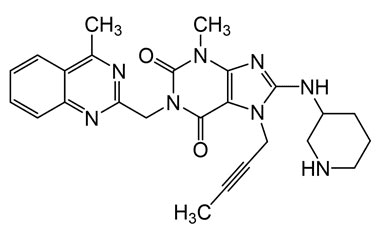
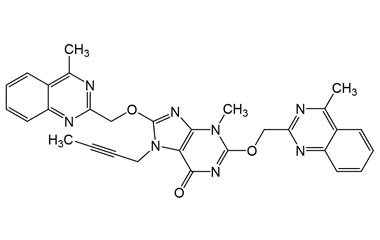
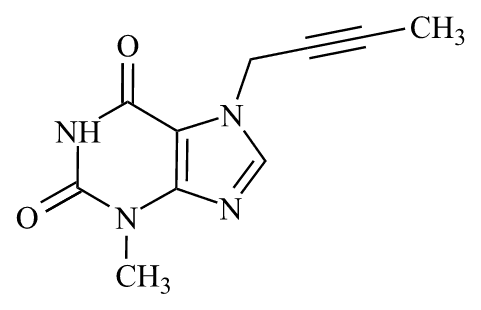
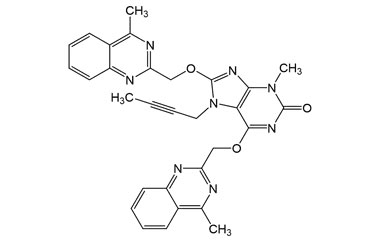

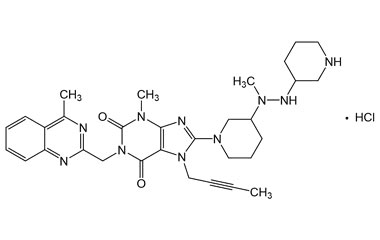

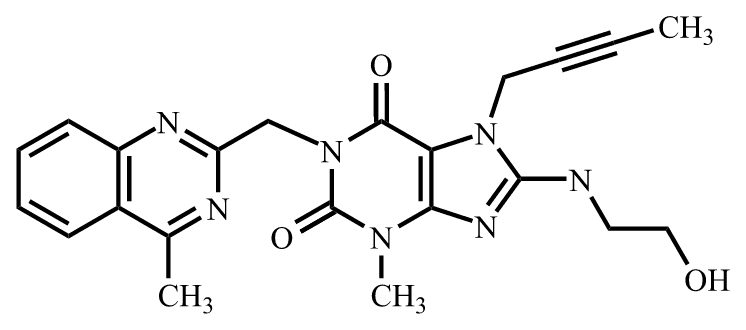


Linagliptin is a dipeptidyl peptidase-4 (DPP-4) inhibitor used in the management of type 2 diabetes mellitus to improve glycemic control by increasing insulin secretion and suppressing glucagon release. This category provides a comprehensive selection of reference standards, including impurities, metabolites, and stable isotope labelled compounds essential for the pharmaceutical industry. These analytical materials are critical for accurate impurity profiling, method development, and rigorous quality control protocols. Laboratories utilize these high-quality compounds to perform forced degradation studies, facilitate method validation, and ensure compliance with international regulatory standards. By providing characterized standards for pharmacopeial and non-pharmacopeial impurities, these products support precise quantitative and qualitative analysis throughout the drug development lifecycle. Whether conducting stability testing or routine batch release, these materials serve as reliable benchmarks for maintaining the purity, identity, and consistency of linagliptin-based pharmaceutical products in regulated environments.

