India +91 94223 00020abhay@splendidlab.comISO 17034:2016 · GLP certified
Oxytocin is a synthetic hormone belonging to the uterotonic agent class, commonly used in clinical settings to induce or strengthen uterine contractions during labor and to control postpartum hemorrhage.… Read more


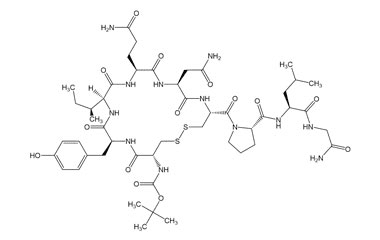


Oxytocin is a synthetic hormone belonging to the uterotonic agent class, commonly used in clinical settings to induce or strengthen uterine contractions during labor and to control postpartum hemorrhage. Pharmaceutical laboratories utilize this category of reference standards to support rigorous quality control and regulatory compliance for drug products. Impurity profiling is essential for identifying and quantifying process-related and degradation-related impurities, ensuring the safety and efficacy of the final formulation. Additionally, laboratories employ stable isotope labelled compounds as internal standards in liquid chromatography-mass spectrometry (LC-MS) assays to achieve precise, reliable quantitative analysis. By using these high-quality reference materials, researchers can perform accurate method validation, study metabolic pathways, and monitor the stability of oxytocin across its various injectable dosage forms and bulk applications, adhering to established international guidelines for pharmaceutical analysis.

