India +91 94223 00020abhay@splendidlab.comISO 17034:2016 · GLP certified
Prostaglandin compounds form a class of bioactive lipid signaling molecules that function locally within the body to mediate diverse physiological processes, including smooth muscle contraction, inflammation,… Read more
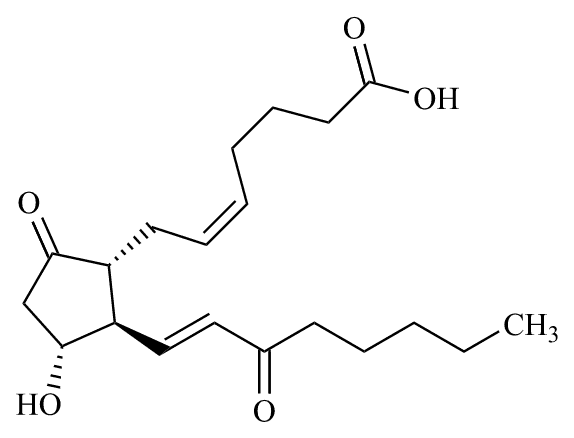


Prostaglandin compounds form a class of bioactive lipid signaling molecules that function locally within the body to mediate diverse physiological processes, including smooth muscle contraction, inflammation, and blood flow regulation. Clinically, synthetic prostaglandin analogs are utilized in obstetric medicine for cervical ripening and labor induction, in neonatal care to maintain the patency of the ductus arteriosus, and in gastroenterology for the treatment of peptic ulcers. In pharmaceutical research and development, laboratories require high-quality reference standards of prostaglandin active pharmaceutical ingredients, along with their related impurities, metabolites, and stable isotope-labelled compounds. These materials are essential for rigorous impurity profiling, accurate method validation, and ongoing quality control. By providing reliable benchmarks for structural identification and quantitative analysis, these standards ensure the precision and regulatory compliance required for safety and efficacy testing across the entire lifecycle of pharmaceutical drug products.

