India +91 94223 00020abhay@splendidlab.comISO 17034:2016 · GLP certified
Quinoline is a heterocyclic aromatic organic compound that serves as a vital structural scaffold in the development of numerous pharmaceuticals, including antimalarial, antibacterial, and antiviral agents.… Read more
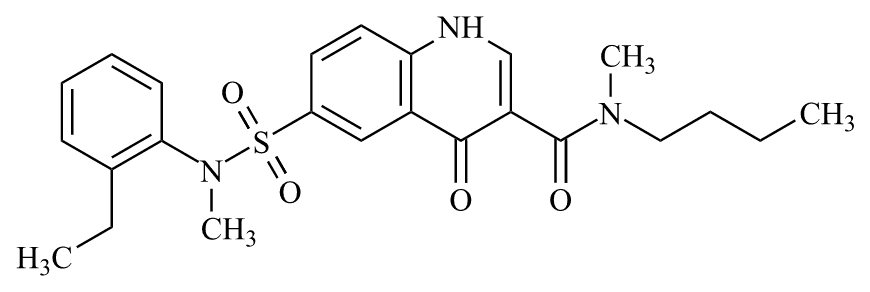
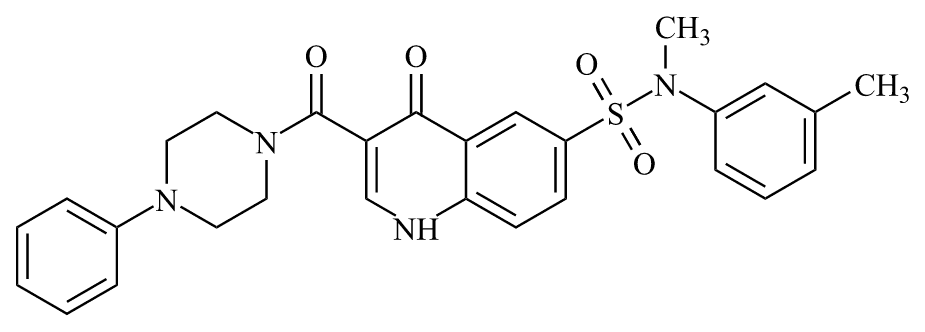
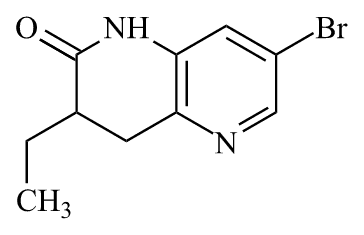
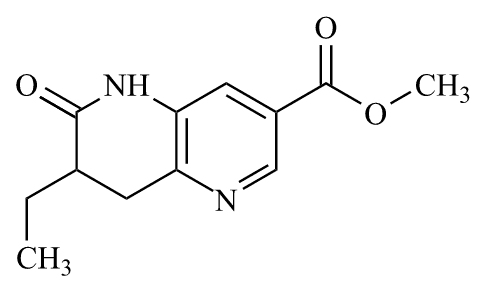
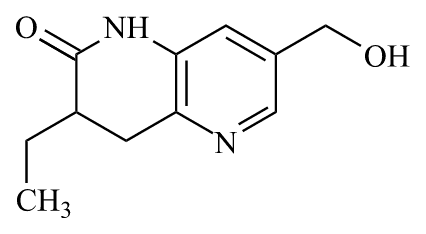
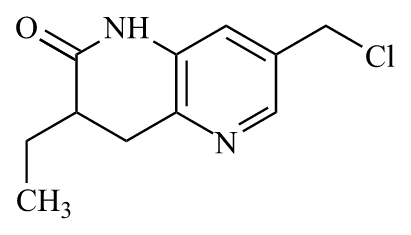
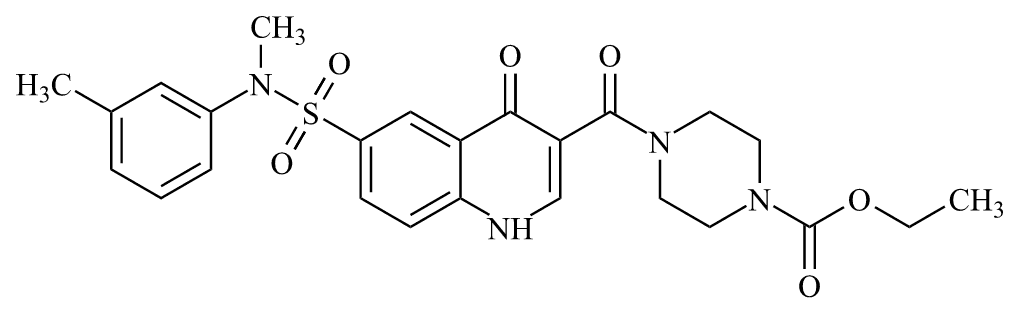
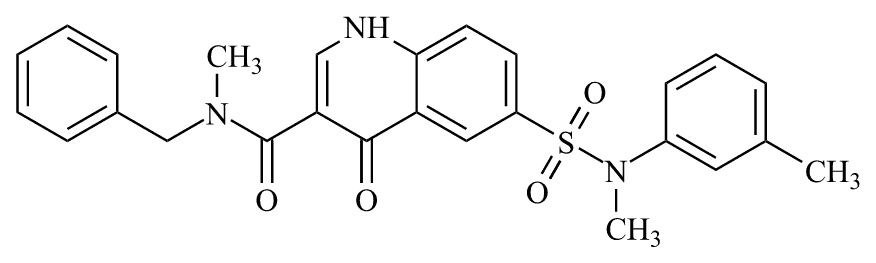
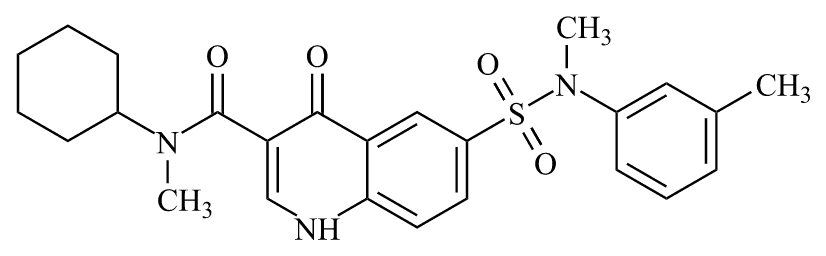
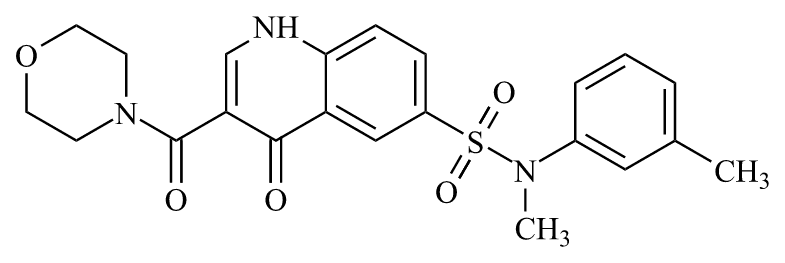
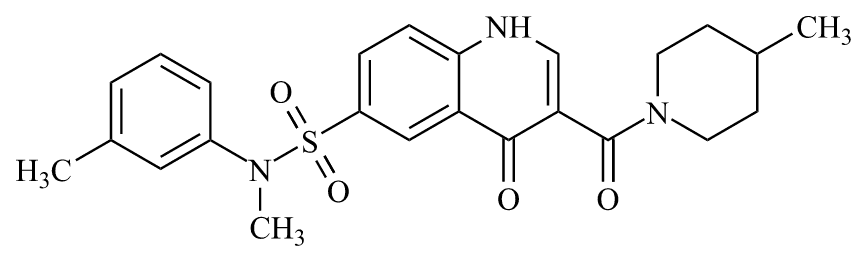
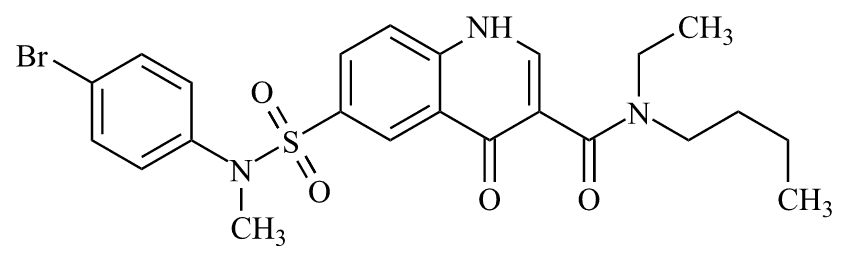
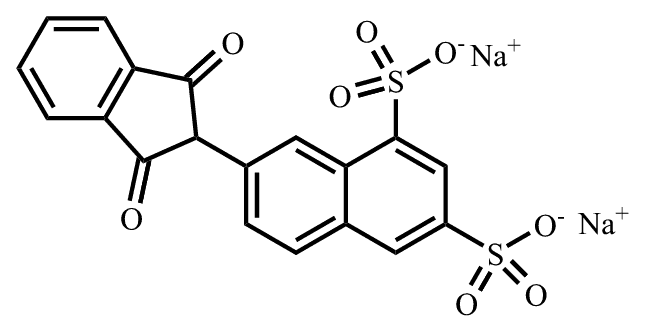
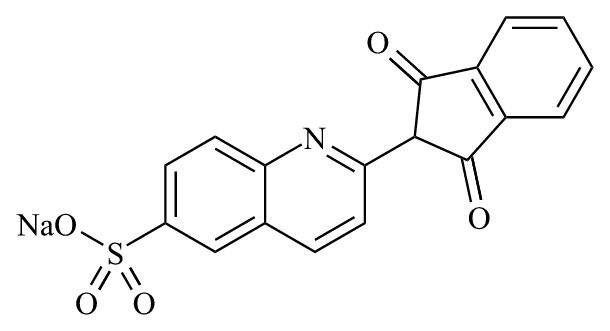
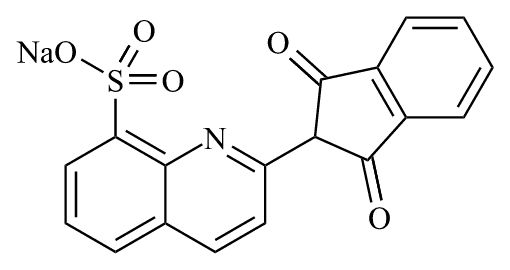
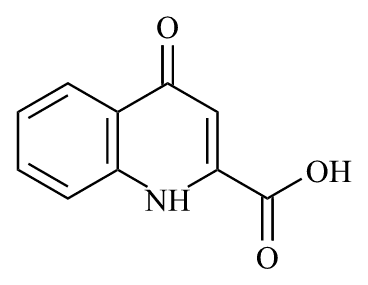
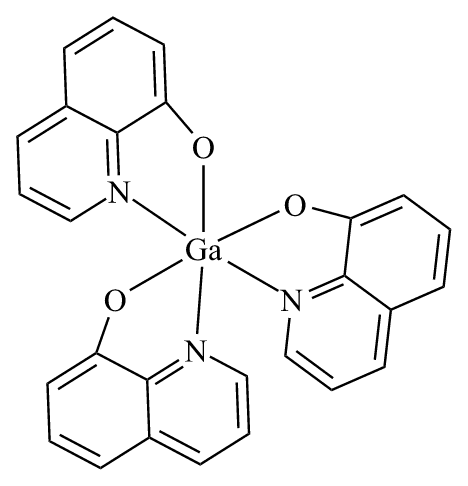
Quinoline is a heterocyclic aromatic organic compound that serves as a vital structural scaffold in the development of numerous pharmaceuticals, including antimalarial, antibacterial, and antiviral agents. In pharmaceutical research and manufacturing, the quinoline nucleus is frequently utilized as an intermediate for drug synthesis, necessitating rigorous analytical oversight. This category includes essential reference standards for quinoline, along with its associated impurities, metabolites, and stable isotope-labelled compounds. These materials are critical for accurate impurity profiling, method validation, and routine quality control within analytical laboratories. By providing authenticated benchmarks, these compounds enable researchers to identify and quantify degradation products and synthetic by-products, ensuring compliance with global regulatory standards. Whether utilized in HPLC, LC-MS/MS, or other advanced analytical techniques, these reference standards are fundamental to maintaining the safety, efficacy, and consistency of quinoline-based therapeutic products throughout the drug development lifecycle.

