India +91 94223 00020abhay@splendidlab.comISO 17034:2016 · GLP certified
Testosterone is an androgenic anabolic steroid of the androstane class, clinically indicated for the treatment of hypogonadism, delayed puberty, and certain types of breast cancer. In pharmaceutical laboratories,… Read more
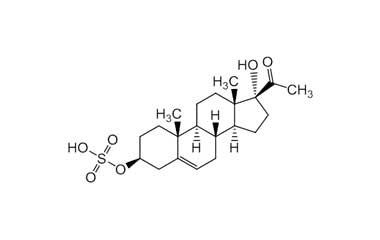
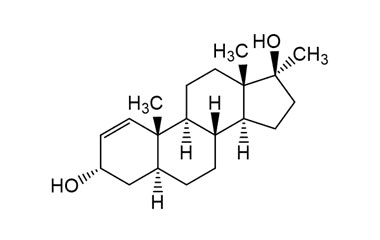
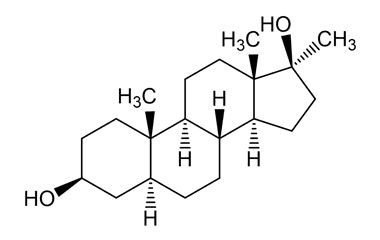

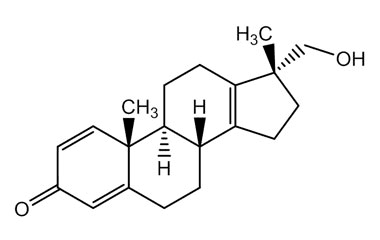

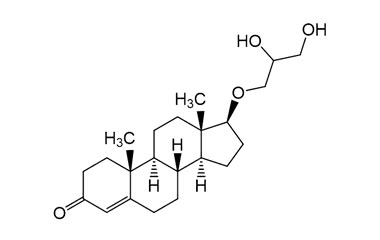
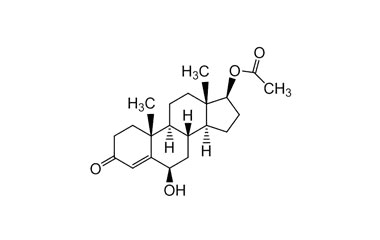
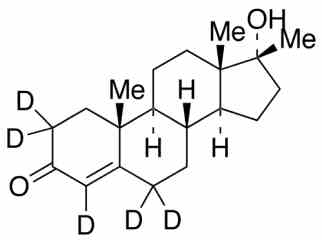
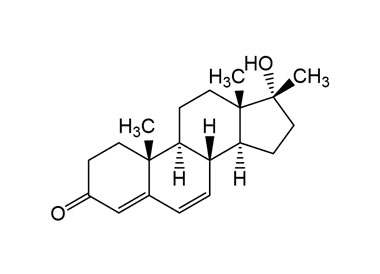
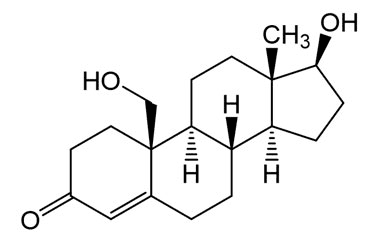
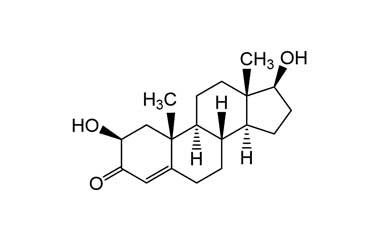
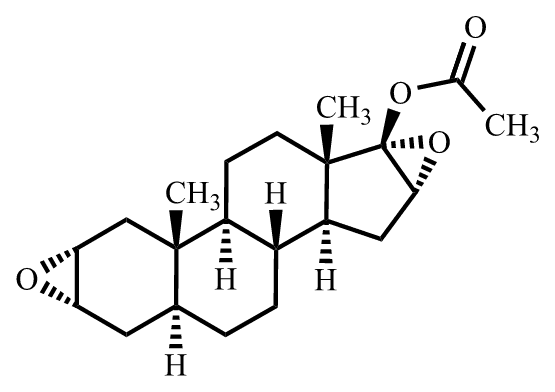
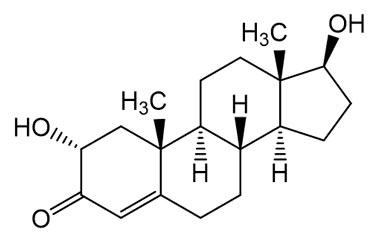
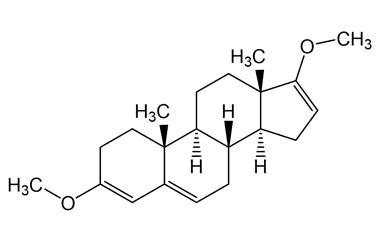
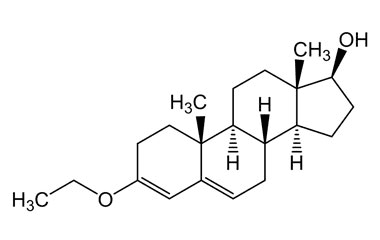
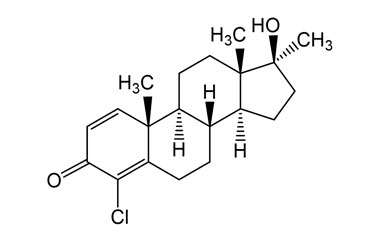
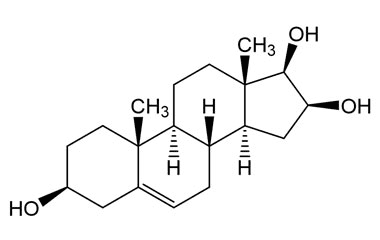
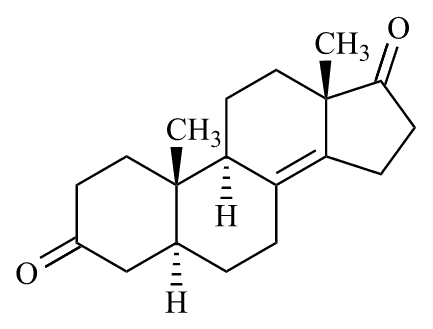
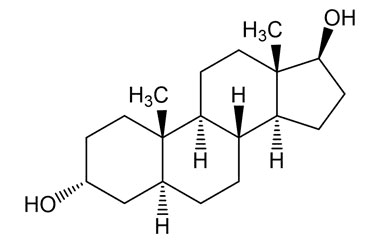
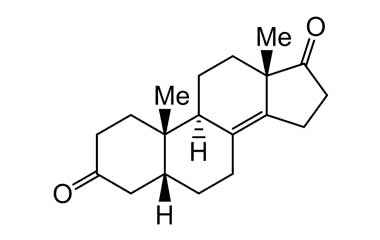

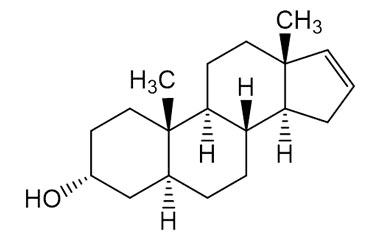
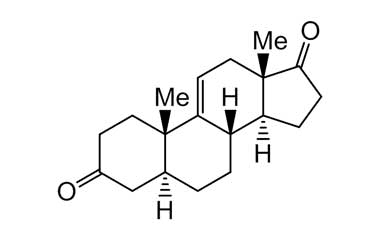
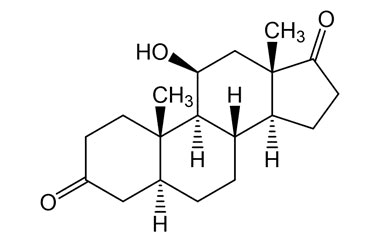
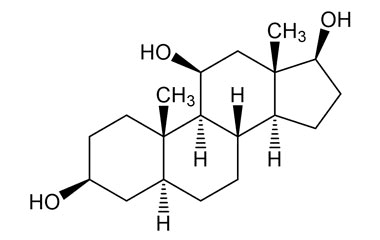
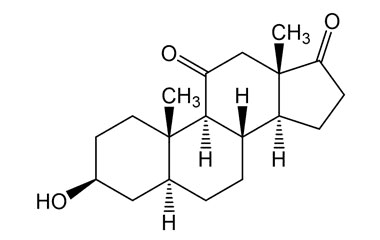
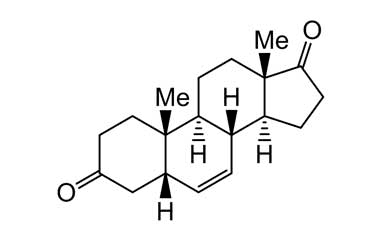

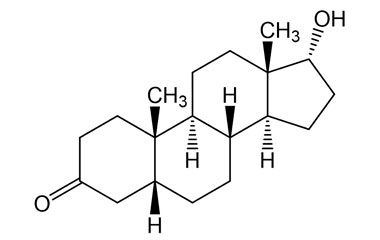
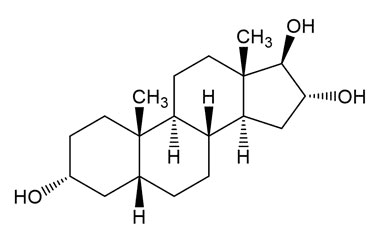
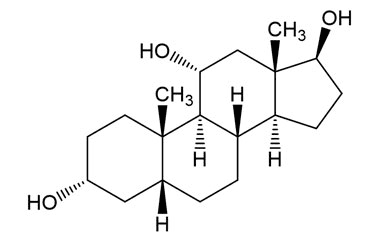
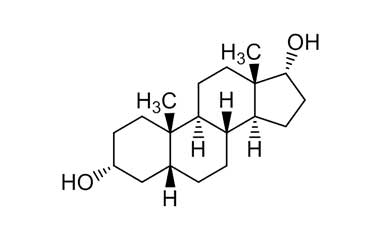
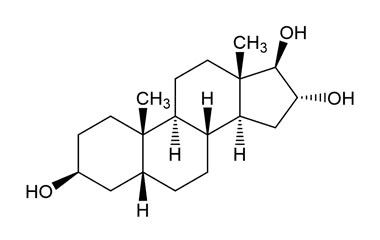
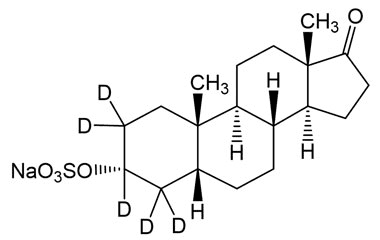

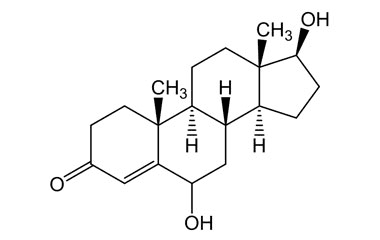
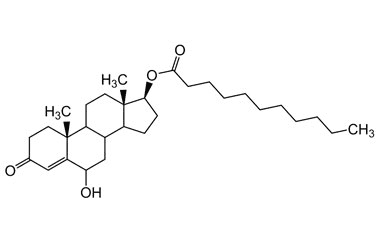
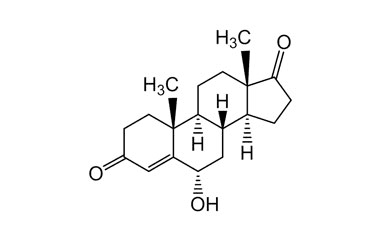
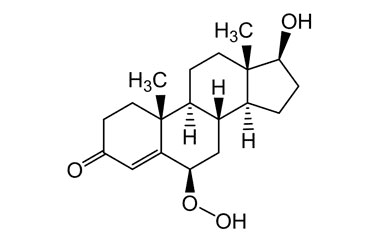
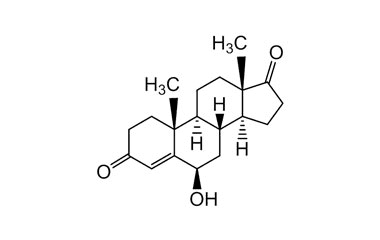
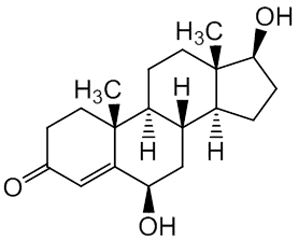
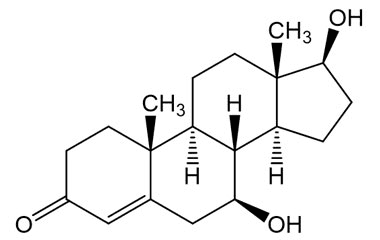
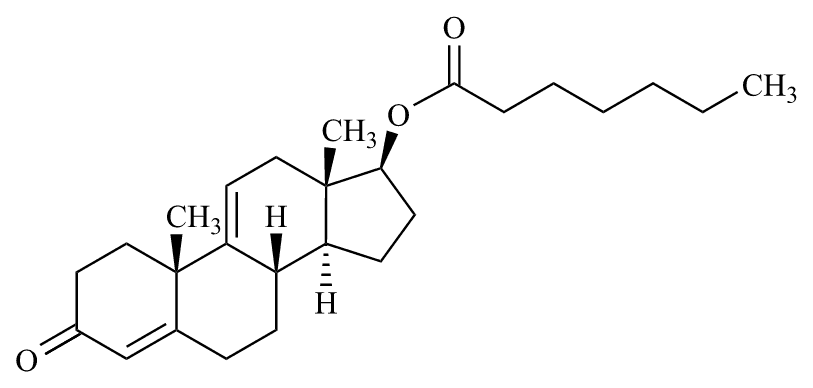
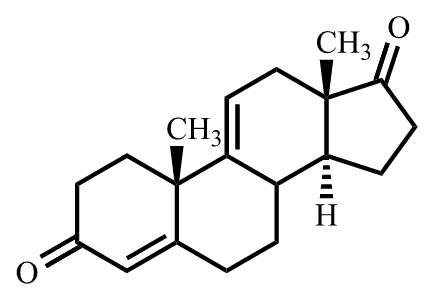

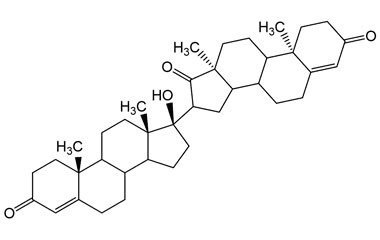
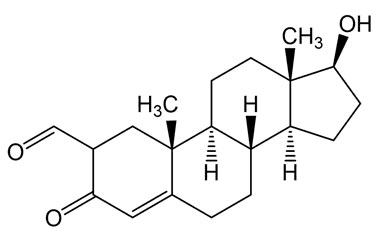

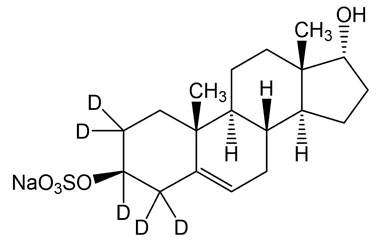
Testosterone is an androgenic anabolic steroid of the androstane class, clinically indicated for the treatment of hypogonadism, delayed puberty, and certain types of breast cancer. In pharmaceutical laboratories, the characterization and quantification of testosterone products rely heavily on high-quality reference standards. These materials, which include pharmacopeial and non-pharmacopeial impurities, metabolites, and stable isotope labelled compounds, are essential for rigorous quality control and the development of robust analytical methods. Laboratories utilize these standards to perform accurate impurity profiling and to support forced degradation studies, ensuring that drug formulations meet stringent regulatory requirements. By providing consistent benchmarks for identification and quantification, these reference materials facilitate the validation of analytical procedures, such as HPLC and mass spectrometry, which are critical for monitoring product safety, stability, and therapeutic consistency throughout the lifecycle of testosterone-based medications.

