India +91 94223 00020abhay@splendidlab.comISO 17034:2016 · GLP certified
Ziprasidone is an atypical antipsychotic primarily indicated for the treatment of schizophrenia and bipolar disorder, acting through the modulation of dopamine and serotonin receptors. In pharmaceutical… Read more
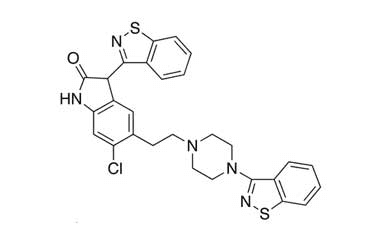


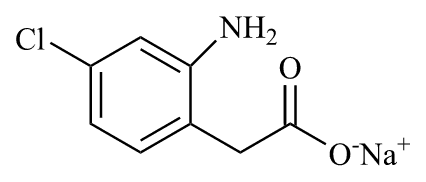
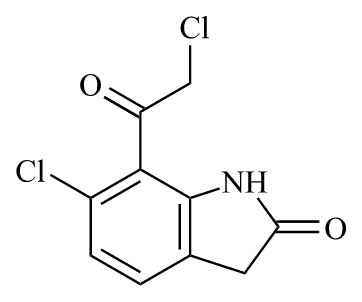
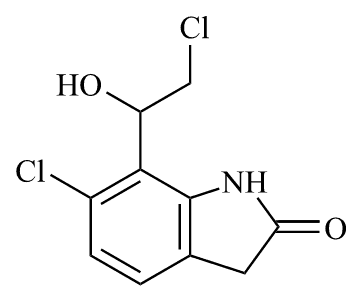
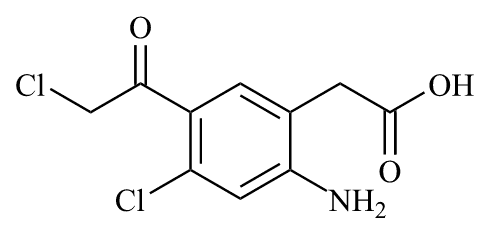
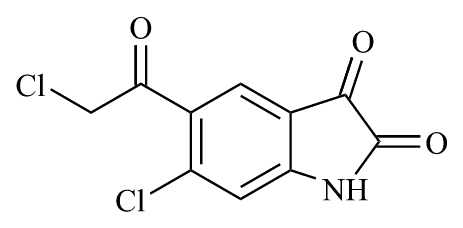
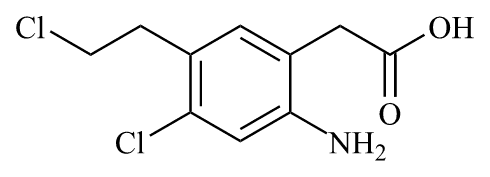
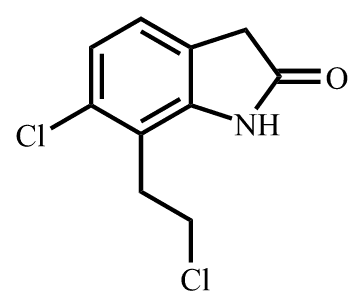
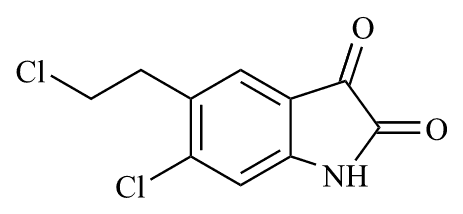
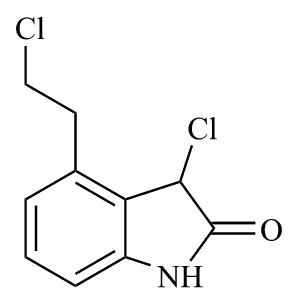
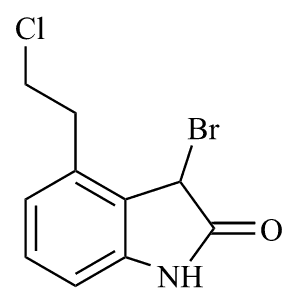
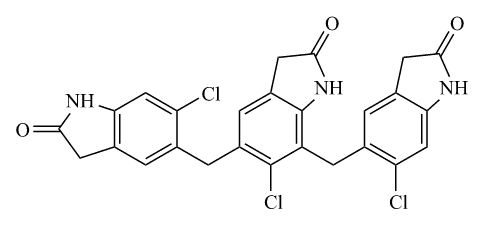
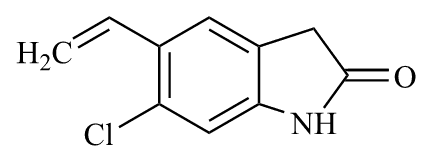
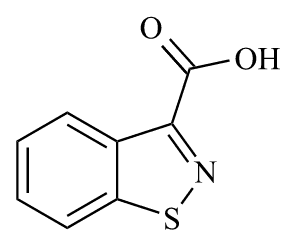
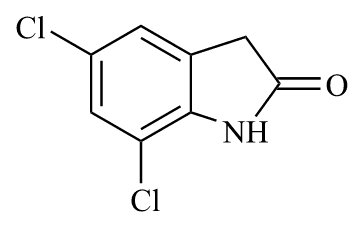


Ziprasidone is an atypical antipsychotic primarily indicated for the treatment of schizophrenia and bipolar disorder, acting through the modulation of dopamine and serotonin receptors. In pharmaceutical research and manufacturing, high-quality reference standards for Ziprasidone are essential for ensuring product safety, therapeutic efficacy, and regulatory compliance. This category includes the active pharmaceutical ingredient, along with a comprehensive collection of process-related impurities, synthetic intermediates, degradation products, and stable isotope labelled compounds. These materials are fundamental to robust impurity profiling, method validation, and routine quality control processes. By utilizing these characterized reference standards, analytical laboratories can perform precise quantification and identification of related substances, supporting stability studies and ensuring that pharmaceutical products meet stringent pharmacopeial specifications. These essential tools facilitate accurate analytical testing, providing the necessary benchmarks to maintain consistent performance and data integrity throughout the entire drug lifecycle.

