India +91 94223 00020abhay@splendidlab.comISO 17034:2016 · GLP certified
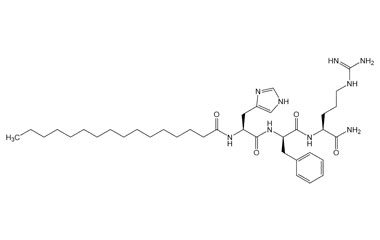
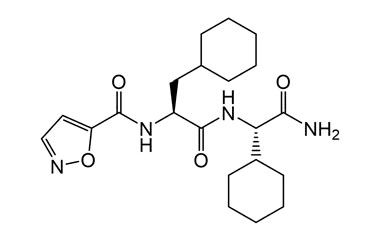
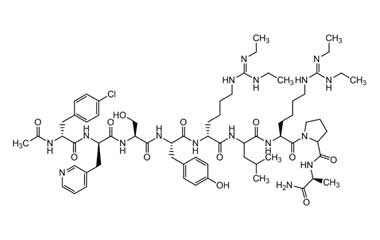
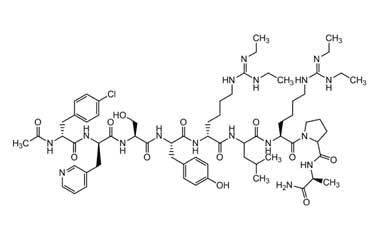
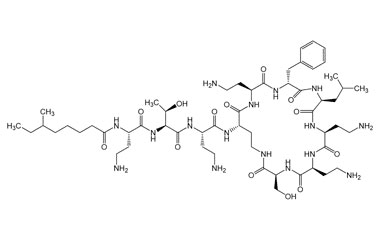
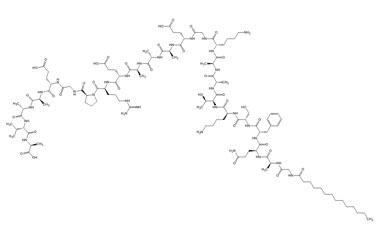
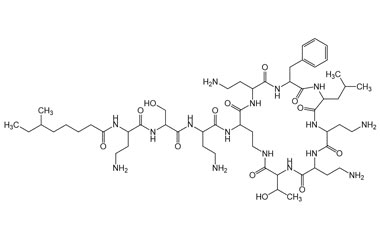
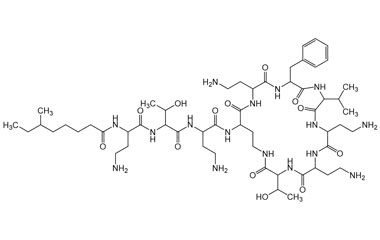
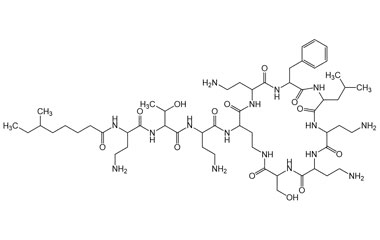
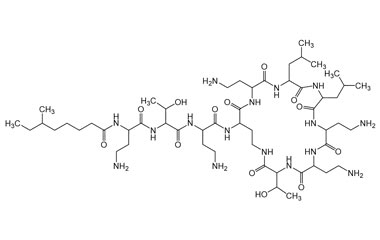
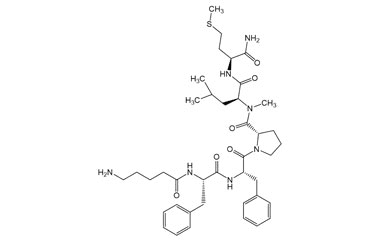
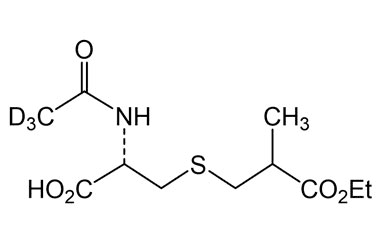
Comprehensive analytical testing requires a range of materials, including pharmacopeial and non-pharmacopeial impurities, degradation products, and synthetic intermediates, to support robust method validation and regulatory compliance. Accurate impurity profiling is necessary to identify and quantify process-related byproducts, such as deletion sequences or isomers, which can affect therapeutic performance. Furthermore, stable isotope labelled compounds are indispensable tools for high-precision quantification in complex bioanalytical workflows, including liquid chromatography-mass spectrometry. By relying on well-characterized standards, researchers can effectively monitor structural integrity and maintain strict quality control standards throughout the lifecycle of peptide-based drug development.