India +91 94223 00020abhay@splendidlab.comISO 17034:2016 · GLP certified
Acitretin is a synthetic retinoid and a metabolite of etretinate used primarily to treat severe psoriasis and certain keratinization disorders, including cutaneous T-cell lymphoma. As a vitamin A derivative,… Read more
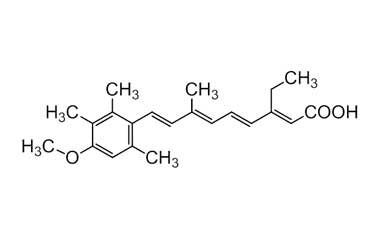


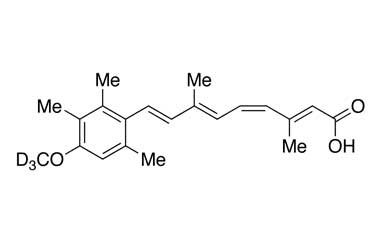
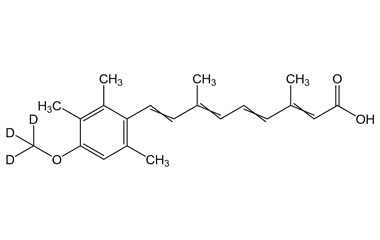
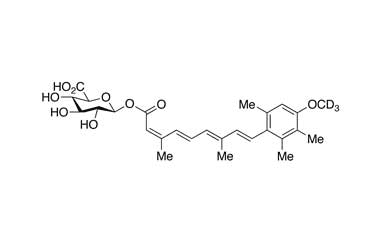
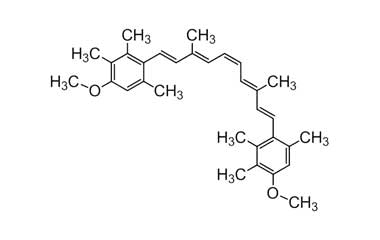


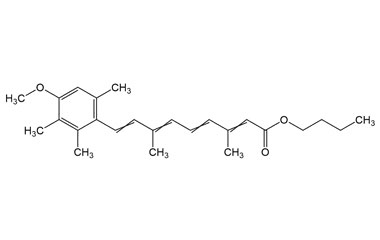

Acitretin is a synthetic retinoid and a metabolite of etretinate used primarily to treat severe psoriasis and certain keratinization disorders, including cutaneous T-cell lymphoma. As a vitamin A derivative, it functions by interacting with nuclear receptors to regulate gene expression, which helps normalize keratinocyte differentiation and reduce inflammation. This category offers a comprehensive range of reference standards, including Acitretin API, related impurities, metabolites such as glucuronides, and stable isotope labelled compounds. These materials are essential for rigorous impurity profiling, method development, and validation in pharmaceutical quality control. By providing reliable benchmarks for analytical testing, these compounds allow laboratories to accurately quantify degradation products and metabolic intermediates during stability studies or batch release analysis, supporting the development and monitoring of consistent therapeutic formulations.

