India +91 94223 00020abhay@splendidlab.comISO 17034:2016 · GLP certified
Acotiamide is a prokinetic agent and acetylcholinesterase inhibitor used in the treatment of functional dyspepsia, where it helps alleviate symptoms such as postprandial fullness, early satiety, and upper… Read more


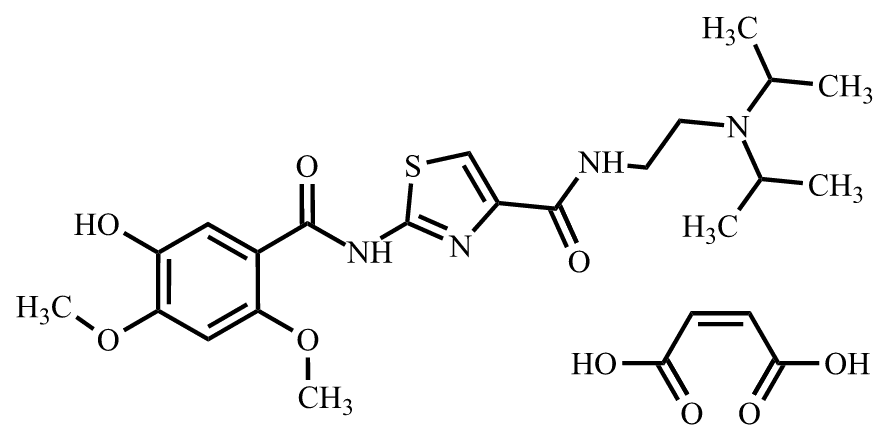

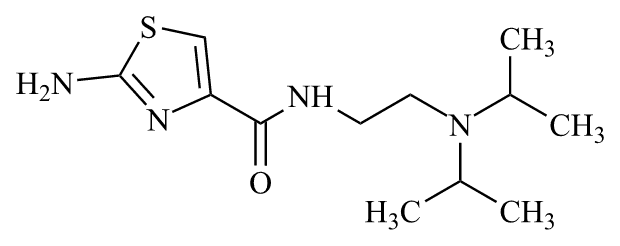


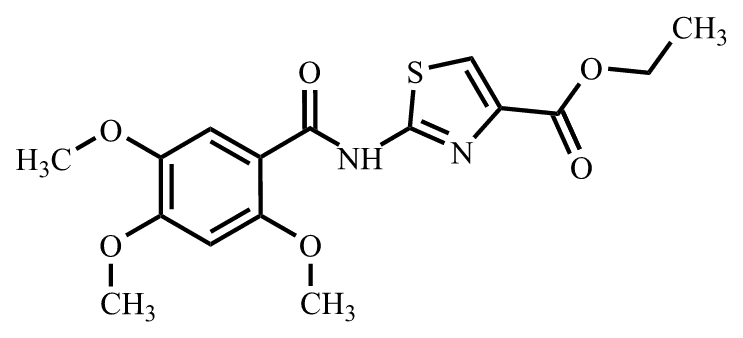

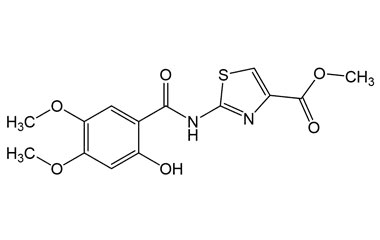

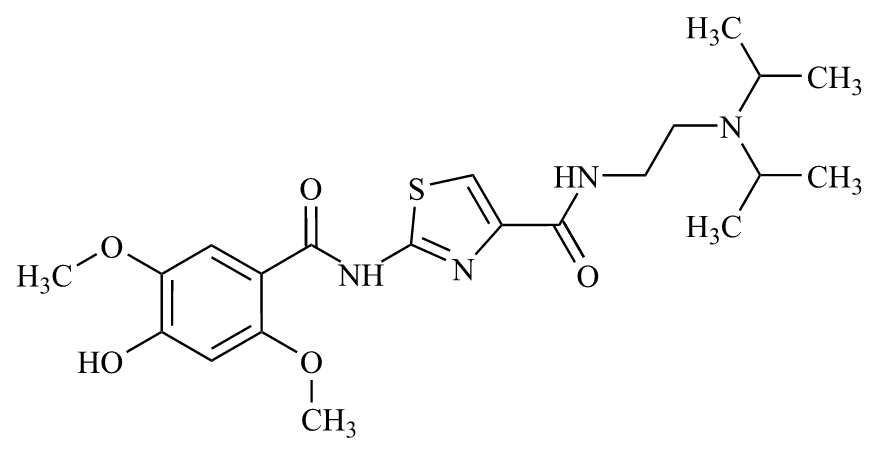


Acotiamide is a prokinetic agent and acetylcholinesterase inhibitor used in the treatment of functional dyspepsia, where it helps alleviate symptoms such as postprandial fullness, early satiety, and upper abdominal discomfort by enhancing gastrointestinal motility. This category includes high-quality reference standards for the active pharmaceutical ingredient, alongside its known impurities and metabolites, which are essential for pharmaceutical laboratories performing rigorous quality control and method validation. These compounds facilitate precise impurity profiling, allowing for the identification and quantification of degradation products or synthesis-related residues in drug formulations. Additionally, the availability of stable isotope labelled compounds provides investigators with reliable internal standards for sophisticated analytical techniques, such as liquid chromatography-mass spectrometry, ensuring accuracy and regulatory compliance during stability testing and routine analytical development for Acotiamide-based medications.

