India +91 94223 00020abhay@splendidlab.comISO 17034:2016 · GLP certified
Acyclovir is a synthetic antiviral medication belonging to the class of acyclic nucleoside analogues. It is widely used to treat infections caused by herpes simplex viruses, such as genital herpes and… Read more


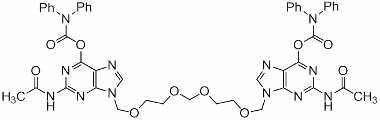
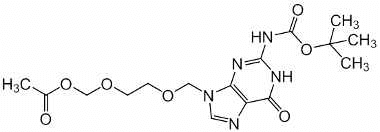


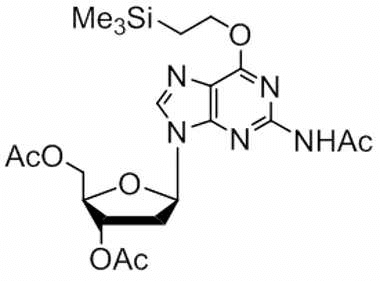
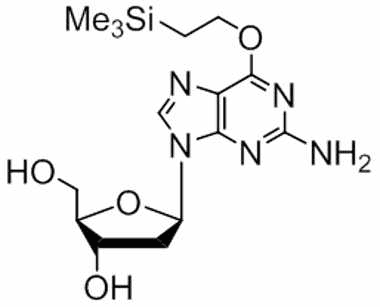
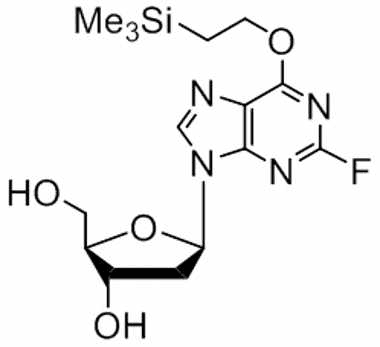
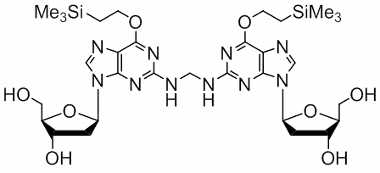


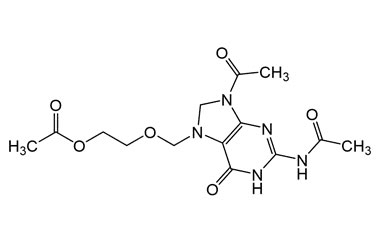

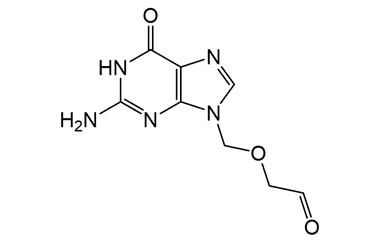
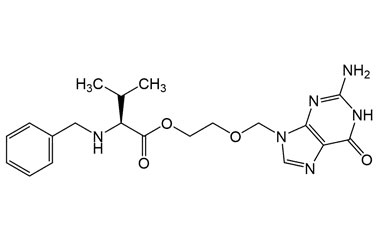
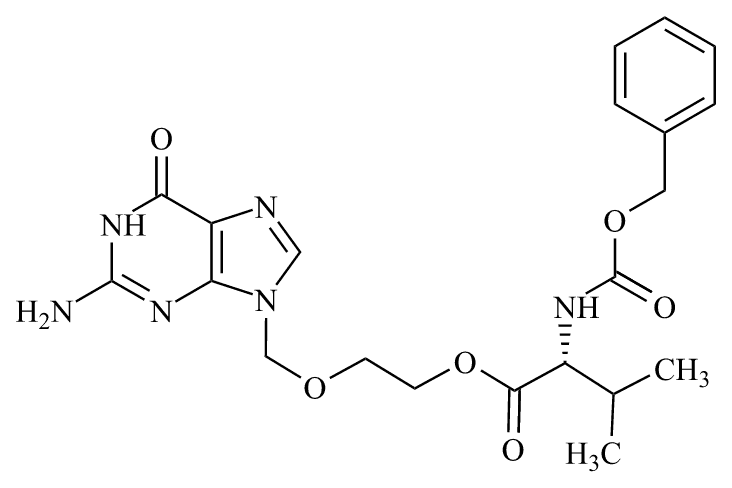
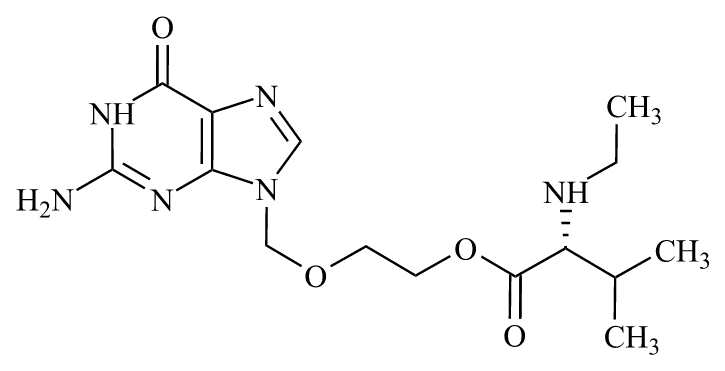



Acyclovir is a synthetic antiviral medication belonging to the class of acyclic nucleoside analogues. It is widely used to treat infections caused by herpes simplex viruses, such as genital herpes and cold sores, as well as varicella-zoster virus, which causes chickenpox and shingles. Acyclovir functions by acting as a guanosine analogue; once phosphorylated by viral thymidine kinase within infected cells, it inhibits viral DNA polymerase, thereby terminating viral DNA replication. Laboratories use our range of Acyclovir reference standards, including related impurities, metabolites, and stable isotope labelled compounds, for critical analytical testing. These high-quality materials are essential for impurity profiling, method validation, and rigorous quality control protocols during pharmaceutical development. By providing accurate reference points for both pharmacopeial and non-pharmacopeial impurities, these compounds support the reliable assessment of safety, stability, and therapeutic efficacy in final drug products.

