India +91 94223 00020abhay@splendidlab.comISO 17034:2016 · GLP certified
Albendazole is a benzimidazole anthelmintic medication used to treat a variety of parasitic worm infections, including nematodes like roundworms and hookworms, as well as cestode infections such as neurocysticercosis.… Read more








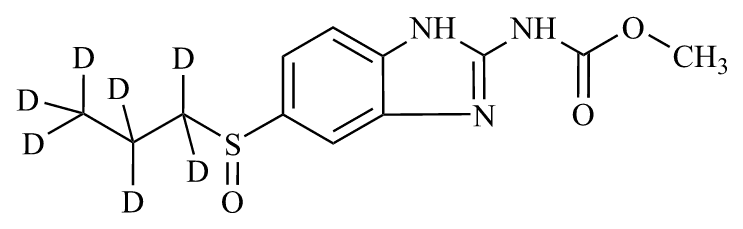


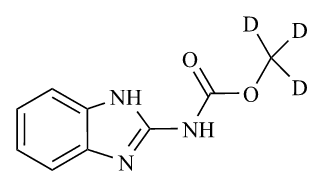


Albendazole is a benzimidazole anthelmintic medication used to treat a variety of parasitic worm infections, including nematodes like roundworms and hookworms, as well as cestode infections such as neurocysticercosis. The drug functions by binding to the beta-tubulin subunit of parasitic cells, which inhibits microtubule polymerization and disrupts essential cellular processes like glucose uptake, leading to parasite death. Pharmaceutical laboratories utilize this category of reference standards, which encompasses the active pharmaceutical ingredient, synthetic intermediates, degradation products, and metabolites, to ensure stringent quality control and regulatory compliance. These reference materials are critical for impurity profiling, analytical method development, and the validation of quantitative tests, including stability studies. Additionally, stable isotope labelled compounds are essential tools for mass spectrometry, providing internal standards that enhance the accuracy and reproducibility of trace-level analysis, allowing chemists to maintain rigorous standards across the entire drug development and manufacturing lifecycle.

