India +91 94223 00020abhay@splendidlab.comISO 17034:2016 · GLP certified
Alogliptin is a selective dipeptidyl peptidase-4 (DPP-4) inhibitor used as an adjunct to diet and exercise to improve glycemic control in adults with type 2 diabetes mellitus. By inhibiting the DPP-4 enzyme,… Read more



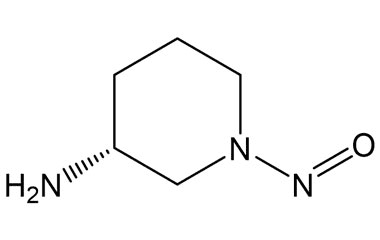


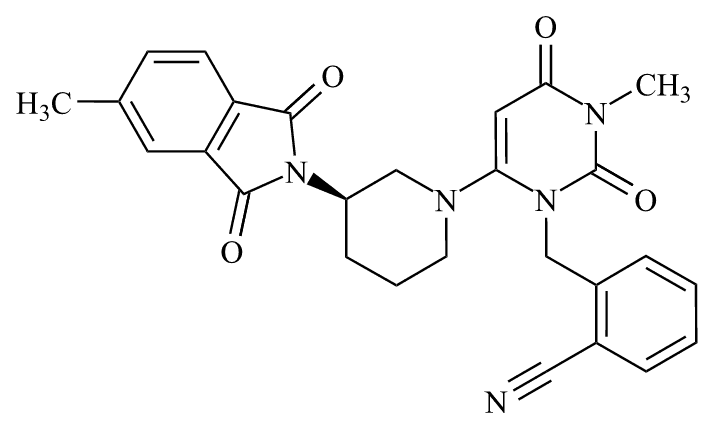
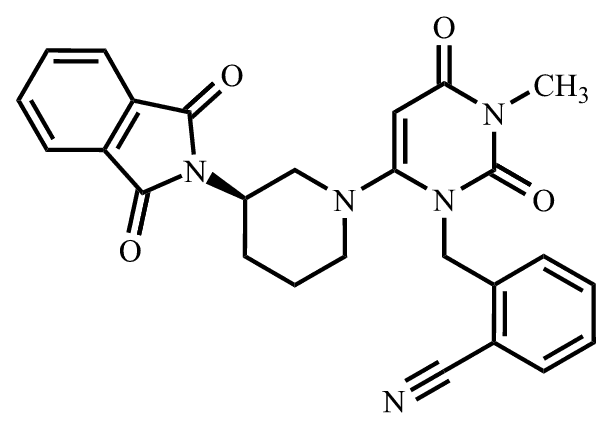





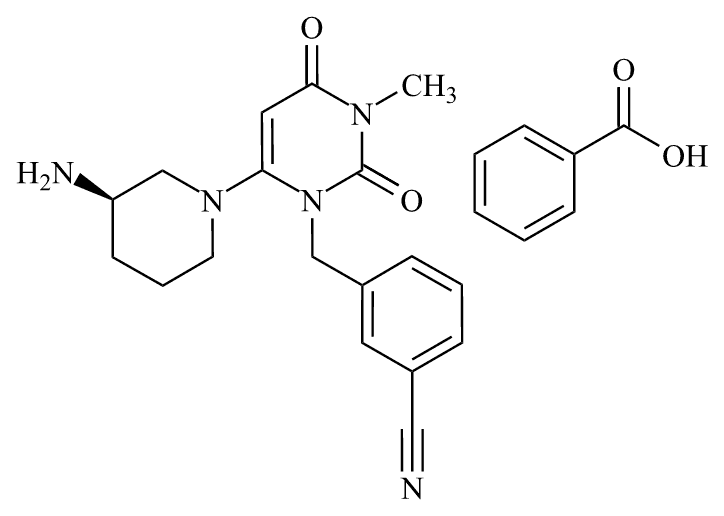








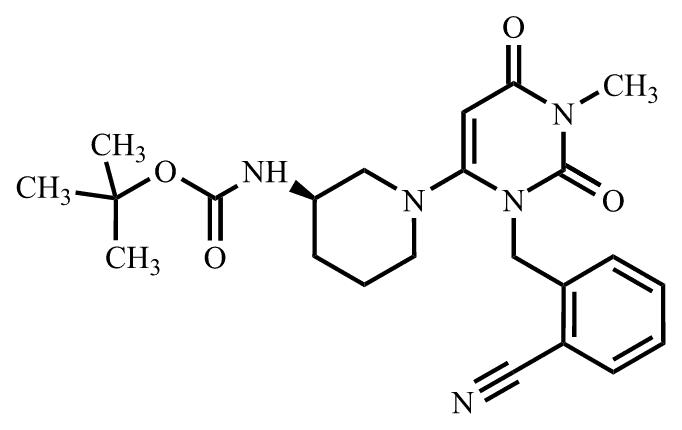
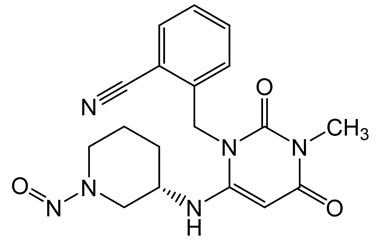
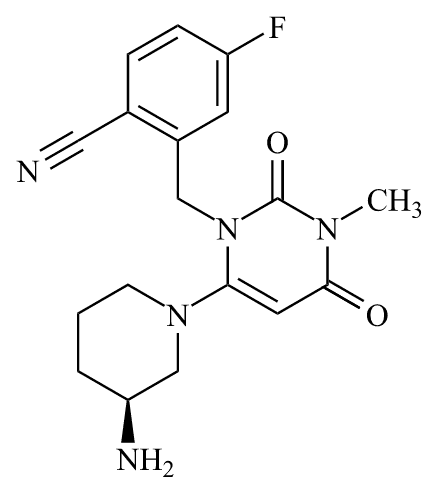
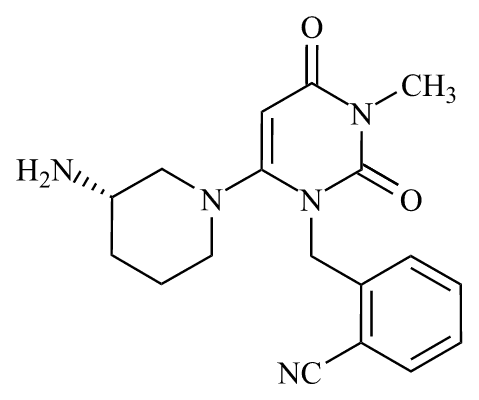

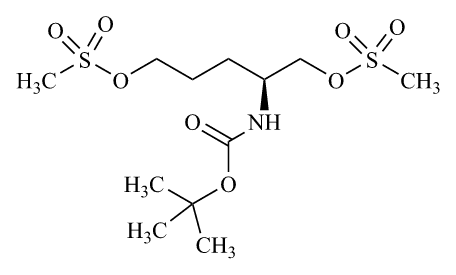
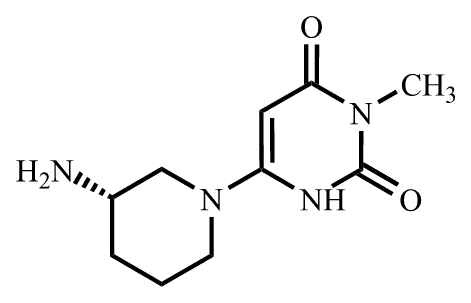




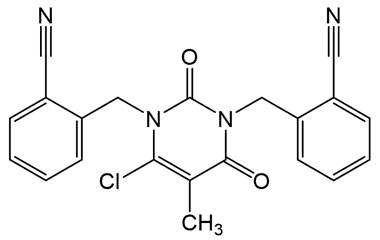
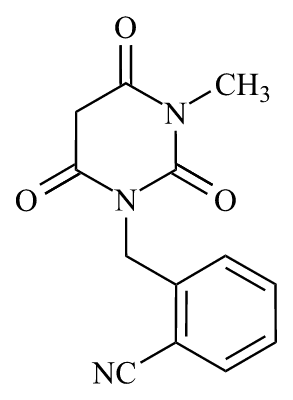
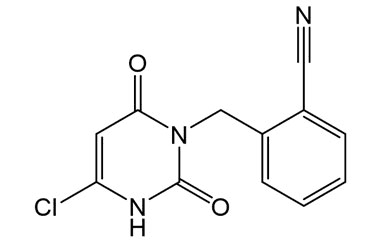
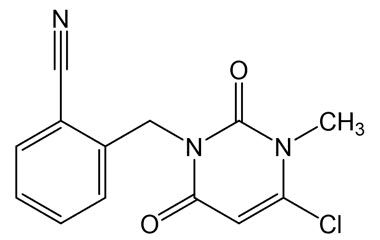



Alogliptin is a selective dipeptidyl peptidase-4 (DPP-4) inhibitor used as an adjunct to diet and exercise to improve glycemic control in adults with type 2 diabetes mellitus. By inhibiting the DPP-4 enzyme, this drug prolongs the activity of incretin hormones, which enhances insulin secretion and suppresses glucagon release to regulate blood sugar levels. The related compounds, including impurities, metabolites, and stable isotope labelled standards in this category, are vital for pharmaceutical laboratories conducting rigorous analytical testing and quality control. These reference standards enable precise impurity profiling, method validation, and stability testing, ensuring compliance with international regulatory guidelines. Stable isotope labelled compounds, in particular, serve as essential internal standards for accurate quantification in complex bioanalytical studies and LC-MS/MS applications. These materials are fundamental to confirming the identity, potency, and purity of the drug substance throughout its lifecycle.

