India +91 94223 00020abhay@splendidlab.comISO 17034:2016 · GLP certified
Amikacin is a semi-synthetic aminoglycoside antibiotic primarily used to treat severe infections caused by resistant Gram-negative bacteria such as Pseudomonas aeruginosa and Acinetobacter baumanii. By… Read more


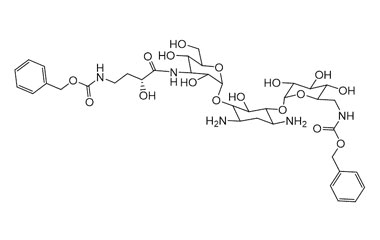

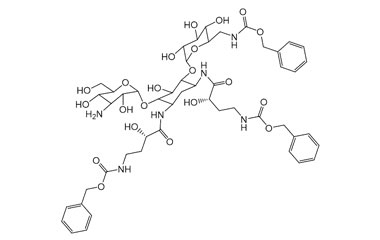
Amikacin is a semi-synthetic aminoglycoside antibiotic primarily used to treat severe infections caused by resistant Gram-negative bacteria such as Pseudomonas aeruginosa and Acinetobacter baumanii. By binding to the 30S ribosomal subunit, this bactericidal agent disrupts protein synthesis in susceptible pathogens. Within this catalogue, Amikacin products include the active pharmaceutical ingredient, its sulfate salt, and various related compounds such as process-related impurities, degradation products, and synthetic intermediates. Pharmaceutical laboratories utilize these reference standards for comprehensive impurity profiling, method validation, and rigorous quality control testing in compliance with pharmacopeial requirements. Additionally, stable isotope labelled compounds are available to serve as internal standards in mass spectrometry-based analytical procedures, ensuring high precision in quantification and helping to mitigate variability during sample preparation and analysis. These materials support essential regulatory compliance and the ongoing assessment of product safety and therapeutic efficacy throughout the drug development and manufacturing lifecycle.

