India +91 94223 00020abhay@splendidlab.comISO 17034:2016 · GLP certified
Amodiaquine is a 4-aminoquinoline antimalarial agent primarily utilized in combination therapies for the treatment of malaria. This category provides high-quality analytical standards to support the pharmaceutical… Read more


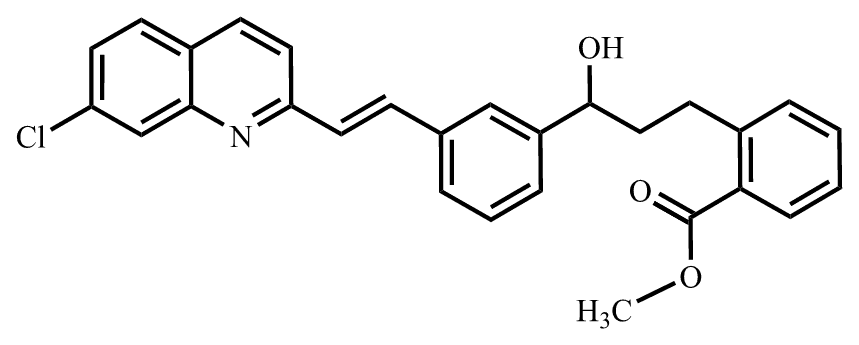
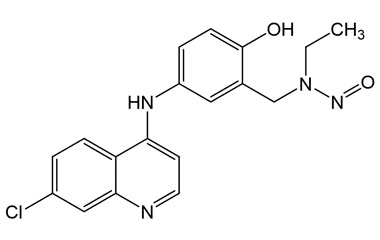


Amodiaquine is a 4-aminoquinoline antimalarial agent primarily utilized in combination therapies for the treatment of malaria. This category provides high-quality analytical standards to support the pharmaceutical industry in rigorous quality control and method development. Laboratories rely on these reference standards, including the active pharmaceutical ingredient, relevant degradation products, and specific impurities such as N-desethylamodiaquine or nitroso derivatives, to ensure accurate impurity profiling and regulatory compliance. Additionally, the inclusion of stable isotope labelled compounds provides internal standards essential for precise quantitative analysis in bioanalytical studies. These materials are critical for verifying the identity, purity, and stability of drug formulations, ensuring that analytical methods remain robust throughout the drug development and manufacturing lifecycle.

