India +91 94223 00020abhay@splendidlab.comISO 17034:2016 · GLP certified
Amorolfine is a morpholine-based antifungal agent primarily indicated for the topical treatment of onychomycosis and dermatomycoses. By inhibiting the biosynthesis of ergosterol, it effectively disrupts… Read more


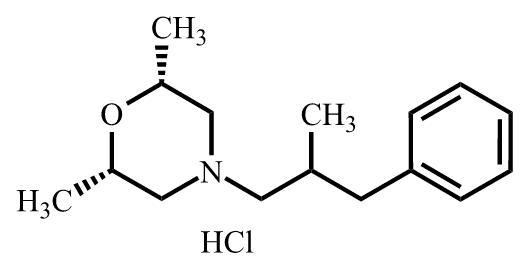


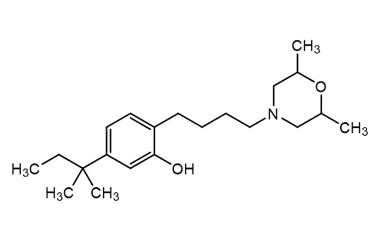


Amorolfine is a morpholine-based antifungal agent primarily indicated for the topical treatment of onychomycosis and dermatomycoses. By inhibiting the biosynthesis of ergosterol, it effectively disrupts fungal cell membrane integrity. To support rigorous quality control and regulatory compliance, analytical laboratories utilize a comprehensive range of Amorolfine reference standards, including the active ingredient, pharmacopeial and non-pharmacopeial impurities, and synthetic intermediates. Impurity profiling is a critical aspect of this process, enabling the detection of synthesis by-products, degradation products, and related structural analogs. The inclusion of stable isotope labelled compounds facilitates accurate method validation, allowing for precise identification and quantification in complex matrices. These materials are essential for conducting stability testing and routine analytical assays, ensuring that all pharmaceutical formulations consistently meet established safety and purity specifications.

