India +91 94223 00020abhay@splendidlab.comISO 17034:2016 · GLP certified
Articaine is an amide-ester local anesthetic belonging to the thiophene class, distinguished by its sulfur-containing heterocyclic ring structure rather than a benzene ring. Primarily used to provide regional… Read more


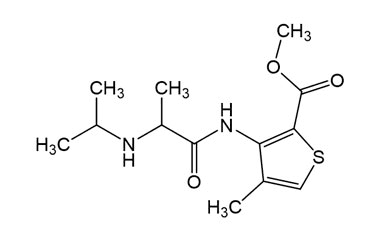

Articaine is an amide-ester local anesthetic belonging to the thiophene class, distinguished by its sulfur-containing heterocyclic ring structure rather than a benzene ring. Primarily used to provide regional anesthesia in dentistry and oral surgery, this compound is valued for its rapid onset and potency. The Articaine category provides a comprehensive selection of pharmaceutical reference standards, including the active ingredient, pharmacopeial and non-pharmacopeial impurities, metabolites, and stable isotope-labelled compounds. These reference materials are critical for pharmaceutical laboratories during the development and analysis of drug products. Chemists utilize these high-quality compounds for rigorous impurity profiling, accurate quantification during method validation, and ongoing quality control to ensure strict adherence to regulatory specifications. By offering a diverse range of related compounds, this collection supports precise analytical testing and stability studies throughout the lifecycle of the drug.

