India +91 94223 00020abhay@splendidlab.comISO 17034:2016 · GLP certified
Aspirin, chemically known as acetylsalicylic acid, is a widely used non-steroidal anti-inflammatory drug (NSAID) in the salicylate class, commonly indicated for pain relief, fever reduction, and the management… Read more


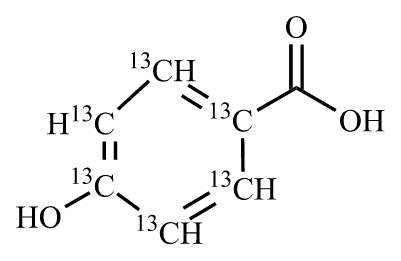


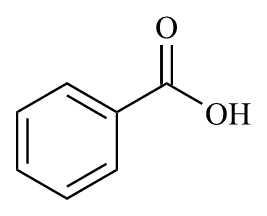


Aspirin, chemically known as acetylsalicylic acid, is a widely used non-steroidal anti-inflammatory drug (NSAID) in the salicylate class, commonly indicated for pain relief, fever reduction, and the management of inflammatory conditions such as rheumatoid arthritis, pericarditis, and Kawasaki disease. This category contains a comprehensive range of reference standards, including the active pharmaceutical ingredient, associated metabolites, degradation products, and stable isotope-labelled compounds. Pharmaceutical laboratories utilize these materials for essential analytical tasks, including impurity profiling, method validation, and rigorous quality control. By employing these high-quality standards, researchers can ensure compliance with pharmacopeial guidelines during batch release testing, forced degradation studies, and the identification of unknown synthesis-related by-products. This selection supports precise analytical workflows, ensuring that all testing protocols for this essential medication meet the necessary regulatory standards for consistency and safety.

