India +91 94223 00020abhay@splendidlab.comISO 17034:2016 · GLP certified
Atomoxetine is a selective norepinephrine reuptake inhibitor (SNRI) primarily indicated for the treatment of attention deficit hyperactivity disorder (ADHD) in children, adolescents, and adults. To ensure… Read more


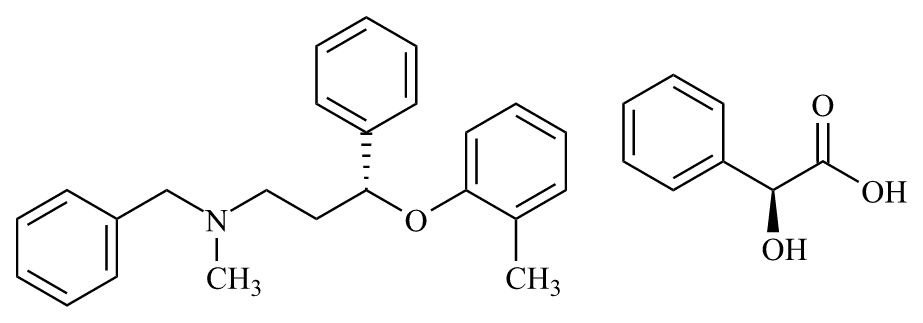


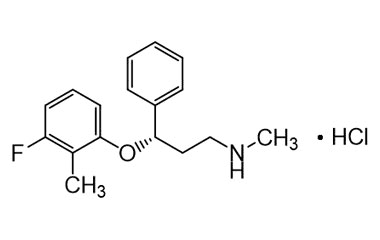


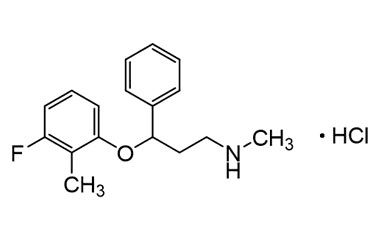


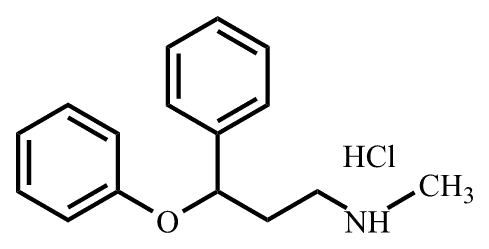


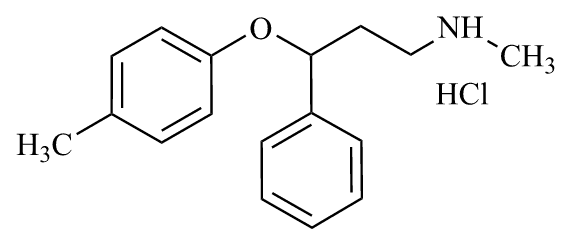


Atomoxetine is a selective norepinephrine reuptake inhibitor (SNRI) primarily indicated for the treatment of attention deficit hyperactivity disorder (ADHD) in children, adolescents, and adults. To ensure the safety, consistency, and efficacy of this medication, laboratories rely on a comprehensive range of Atomoxetine reference standards, including pharmacopeial and non-pharmacopeial impurities, metabolites, and stable isotope-labelled compounds. These highly characterized reference materials are essential for rigorous impurity profiling, enabling the identification and quantification of process-related degradation products or synthetic byproducts during routine batch release testing. Furthermore, stable isotope-labelled Atomoxetine standards serve as critical internal controls in mass spectrometry-based analytical method validation, facilitating precise measurement and supporting international regulatory compliance. By utilizing these specialized compounds, researchers can effectively optimize analytical methods, support stability-indicating studies, and maintain high standards of quality control across various pharmaceutical research and development workflows.

