India +91 94223 00020abhay@splendidlab.comISO 17034:2016 · GLP certified
Atropine is a naturally occurring tropane alkaloid that functions as a competitive antagonist of muscarinic acetylcholine receptors, widely used in clinical medicine to treat bradycardia, organophosphate… Read more
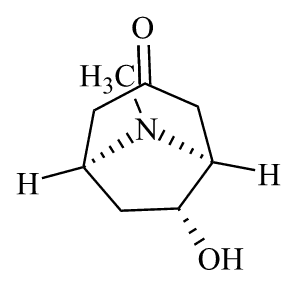


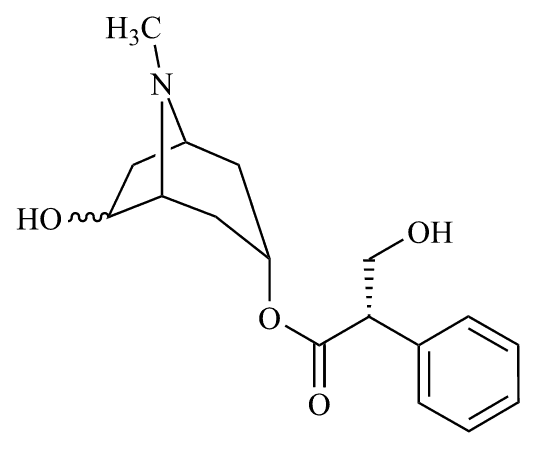
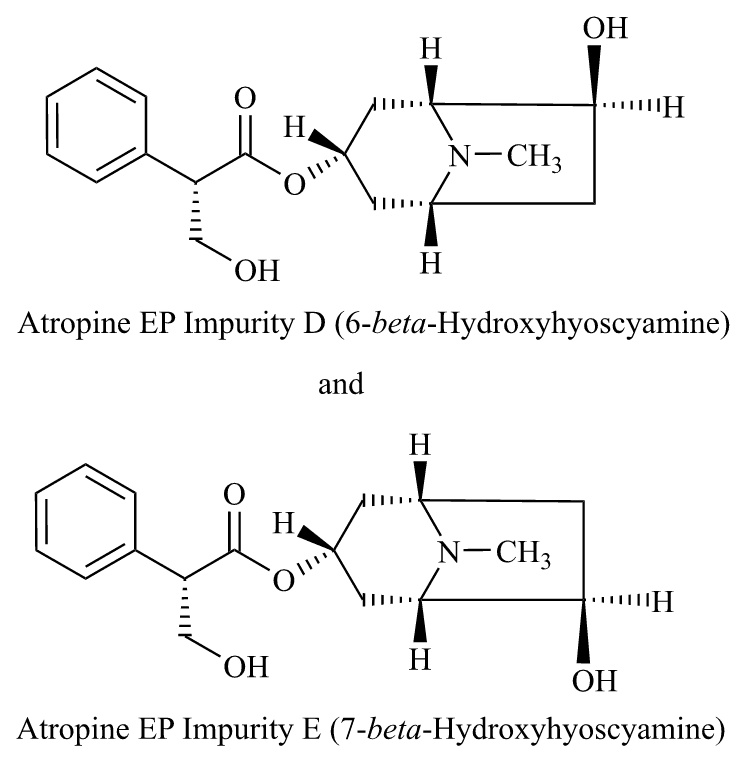


Atropine is a naturally occurring tropane alkaloid that functions as a competitive antagonist of muscarinic acetylcholine receptors, widely used in clinical medicine to treat bradycardia, organophosphate poisoning, and nerve agent exposure. This category provides comprehensive pharmaceutical reference standards for the parent drug, alongside its pharmacopeial impurities, metabolites, and stable isotope labelled compounds. Laboratories utilize these high-quality materials for precise impurity profiling and analytical method validation, ensuring that degradation products and process-related substances are accurately identified and quantified. Stable isotope labelled versions, in particular, serve as essential internal standards for mass spectrometry-based workflows, enabling reliable results during quality control and forced degradation studies. By incorporating these validated reference standards into analytical protocols, researchers and quality assurance teams can maintain regulatory compliance and support the robust characterization of drug substances throughout the pharmaceutical development lifecycle.

