India +91 94223 00020abhay@splendidlab.comISO 17034:2016 · GLP certified
Avanafil is a selective phosphodiesterase-5 (PDE5) inhibitor used as an oral treatment for erectile dysfunction. By inhibiting the PDE5 enzyme, the drug prevents the breakdown of cyclic guanosine monophosphate… Read more


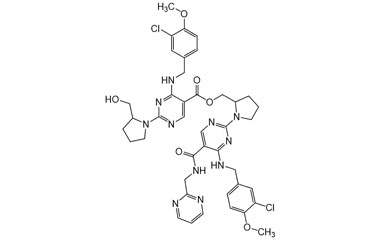

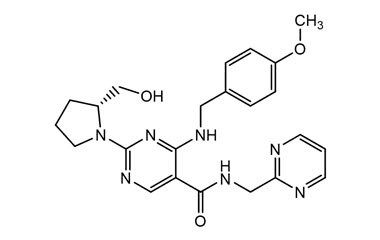


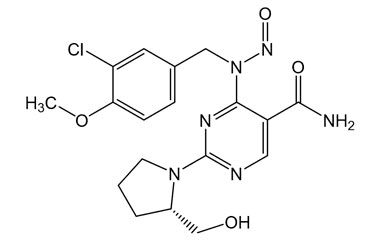
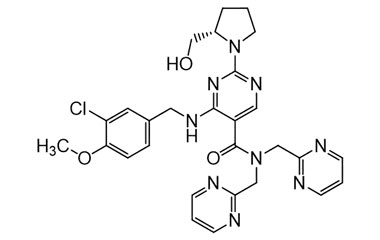
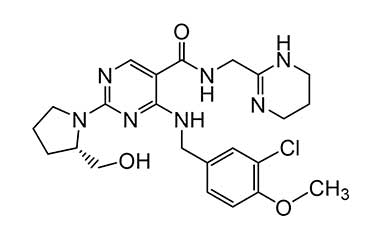


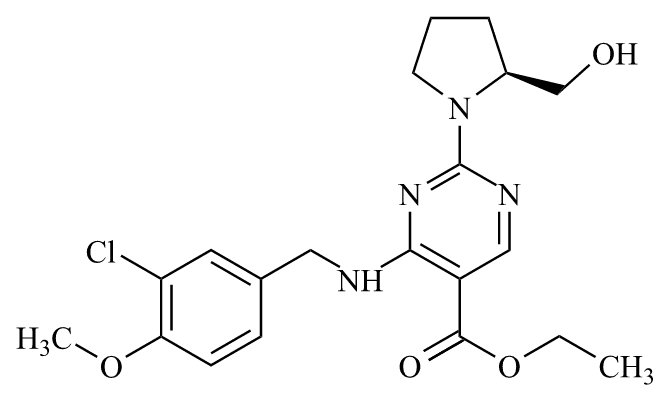

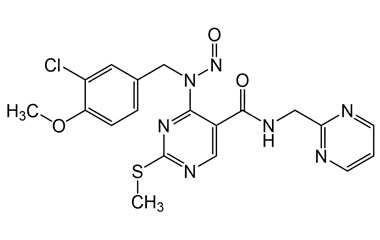

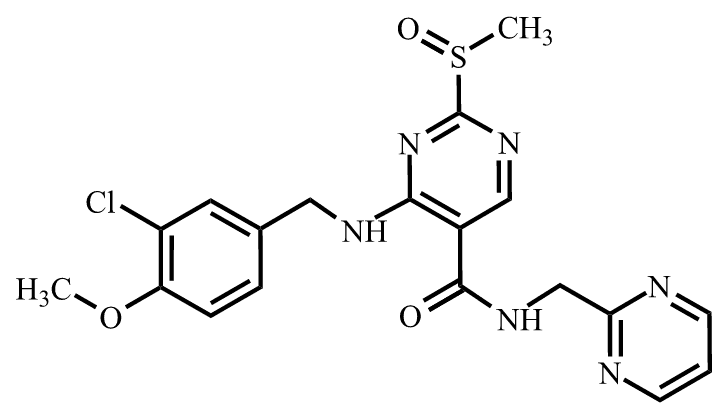
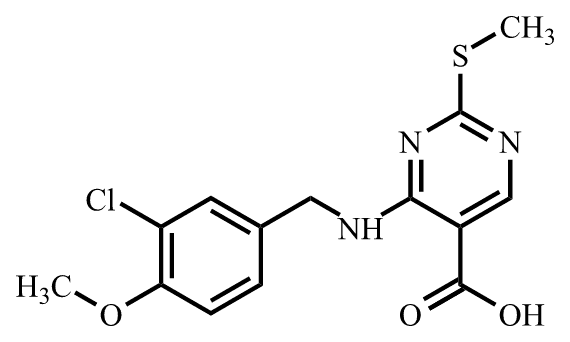


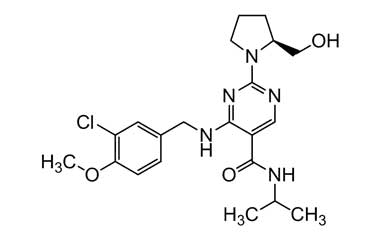
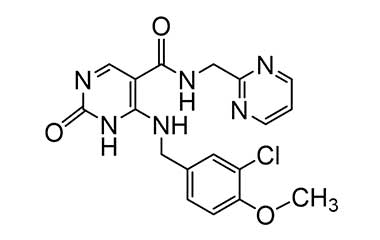
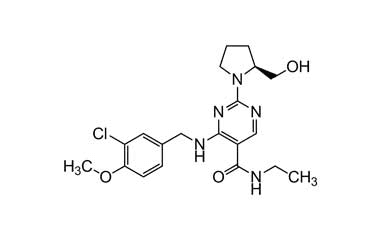
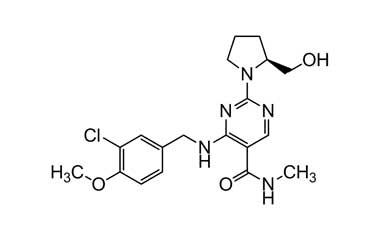
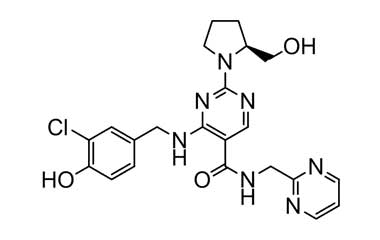
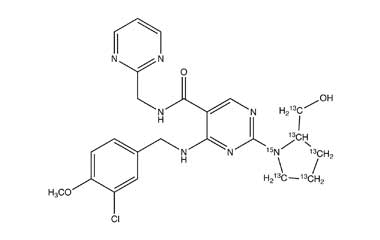

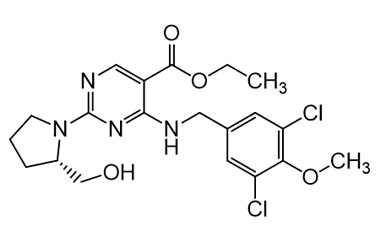
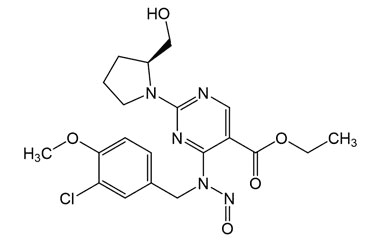

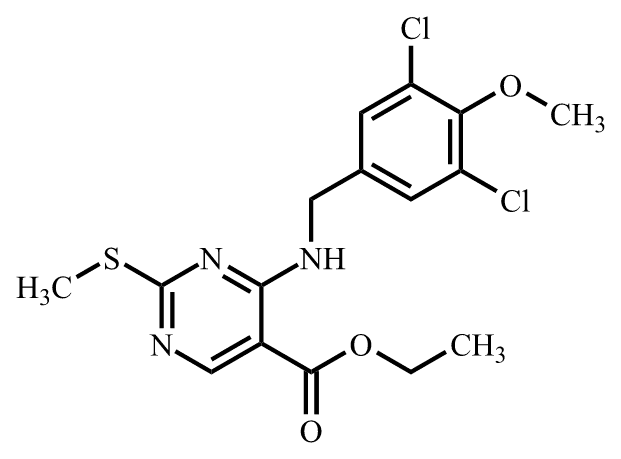
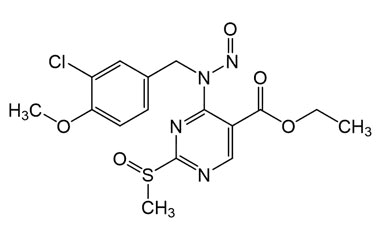
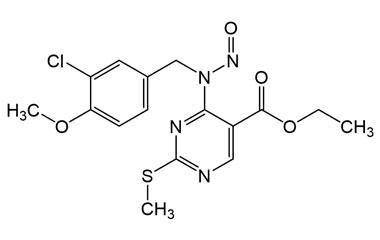
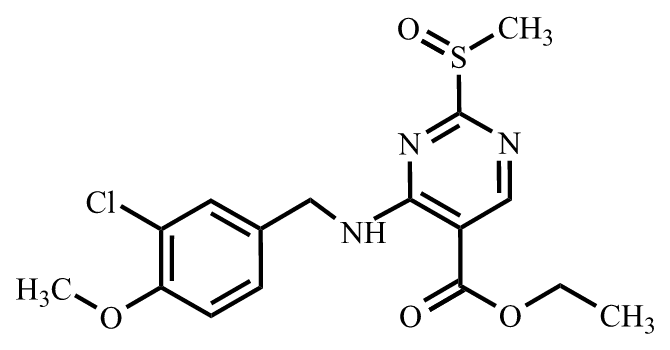


Avanafil is a selective phosphodiesterase-5 (PDE5) inhibitor used as an oral treatment for erectile dysfunction. By inhibiting the PDE5 enzyme, the drug prevents the breakdown of cyclic guanosine monophosphate (cGMP), facilitating smooth muscle relaxation and improved blood flow during sexual stimulation. Pharmaceutical laboratories rely on a comprehensive range of reference standards to support the quality assessment of this active pharmaceutical ingredient. This category includes high-quality impurities, related synthetic analogues, metabolites, and stable isotope-labelled compounds essential for rigorous impurity profiling and method validation. These analytical standards are crucial for identifying and quantifying trace contaminants in drug substances using techniques such as liquid chromatography and mass spectrometry. By utilizing these characterized reference materials, laboratories can ensure the consistency, safety, and regulatory compliance of their analytical testing throughout the development and manufacturing lifecycle of this pyrimidine-based therapeutic.

