India +91 94223 00020abhay@splendidlab.comISO 17034:2016 · GLP certified
Aztreonam is a synthetic monobactam antibiotic used to treat serious gram-negative bacterial infections, including those affecting the urinary tract, respiratory system, and central nervous system. As… Read more

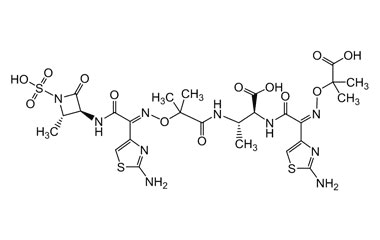
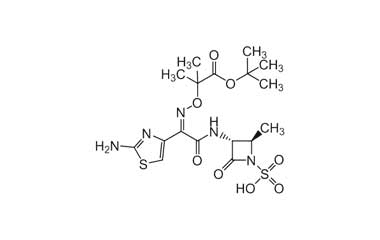


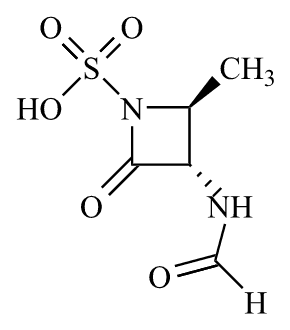

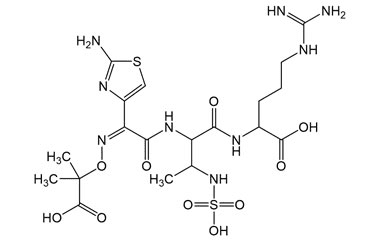


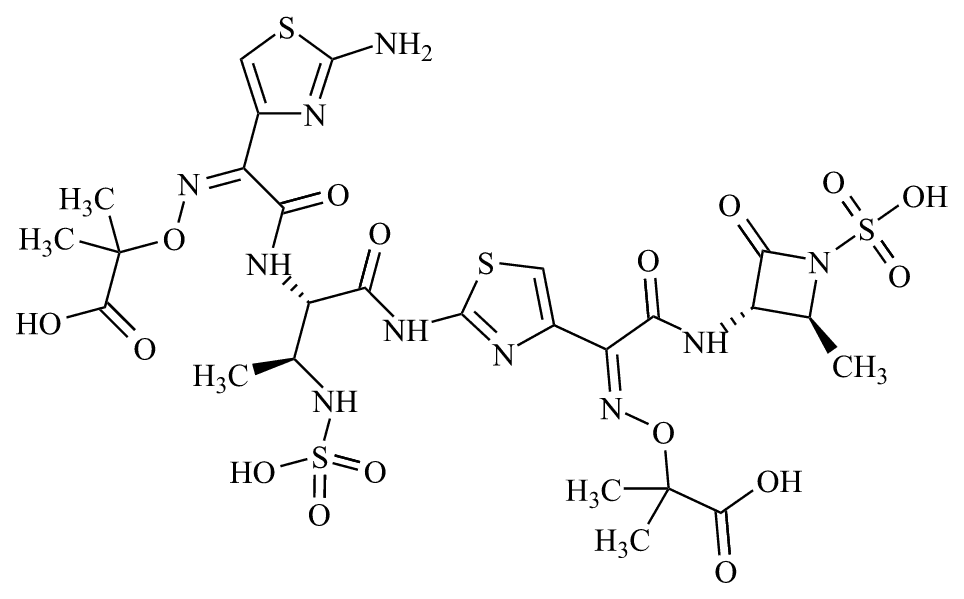


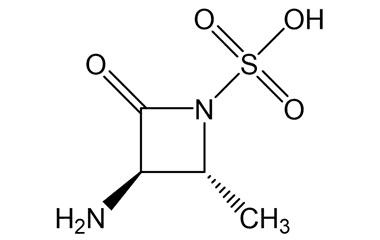
Aztreonam is a synthetic monobactam antibiotic used to treat serious gram-negative bacterial infections, including those affecting the urinary tract, respiratory system, and central nervous system. As a beta-lactam class agent, it works by inhibiting bacterial cell wall synthesis through a high affinity for penicillin-binding protein 3. Laboratories use this category of high-quality reference standards, including the active pharmaceutical ingredient, process-related impurities, degradation products, and stable isotope labelled compounds, to ensure rigorous quality control and regulatory compliance. These materials are essential for accurate impurity profiling, supporting the identification and quantification of contaminants during analytical method validation and stability testing. By providing reliable benchmarks for comparative analysis, these reference standards help scientists verify the potency, identity, and purity of pharmaceutical products throughout their lifecycle, ensuring therapeutic efficacy and patient safety in accordance with pharmacopeial guidelines.

