India +91 94223 00020abhay@splendidlab.comISO 17034:2016 · GLP certified
Benzenediamine refers to a class of organic compounds characterized by two amino groups attached to a benzene ring, including key isomers such as 1,4-phenylenediamine. These versatile chemicals serve as… Read more
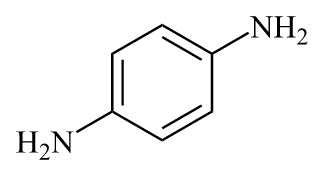
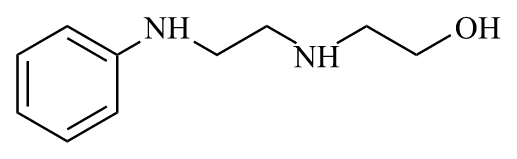
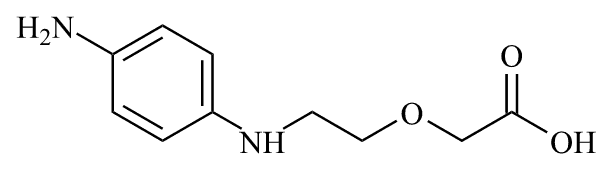
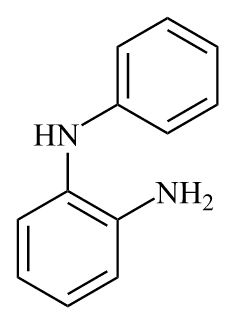

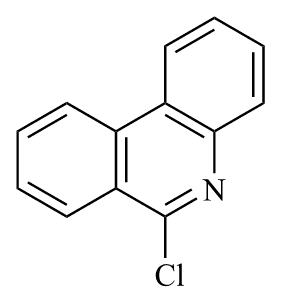
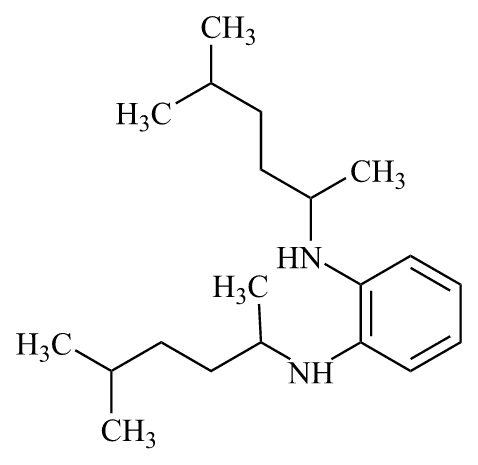
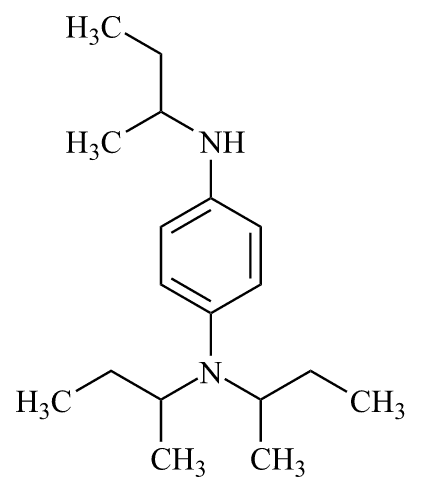

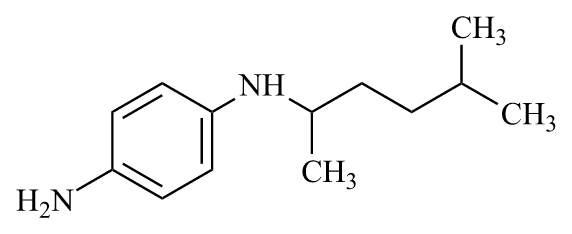
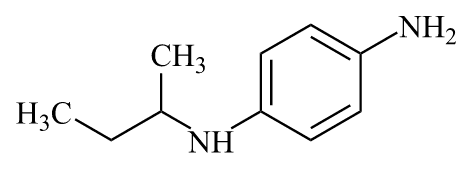
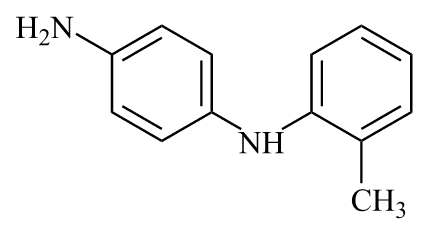



Benzenediamine refers to a class of organic compounds characterized by two amino groups attached to a benzene ring, including key isomers such as 1,4-phenylenediamine. These versatile chemicals serve as essential antioxidants, corrosion inhibitors, and critical intermediates in the synthesis of polymers, dyes, and pharmaceutical ingredients. Pharmaceutical and industrial laboratories utilize this comprehensive collection of reference standards, including substituted benzenediamines and their nitroso derivatives, to ensure rigorous quality control and safety assessments. By employing high-purity reference materials, chemists can perform accurate impurity profiling and quantitative analysis throughout the drug development process. Furthermore, the inclusion of stable isotope labelled compounds facilitates advanced analytical testing and method validation, providing internal standards necessary to correct for matrix effects and improve measurement precision during complex chemical characterization.

