India +91 94223 00020abhay@splendidlab.comISO 17034:2016 · GLP certified
Benzocaine is an ester-type local anesthetic primarily utilized to alleviate superficial pain and inflammation affecting oral and nasal mucous membranes. By blocking sodium channels within nerve cell membranes,… Read more
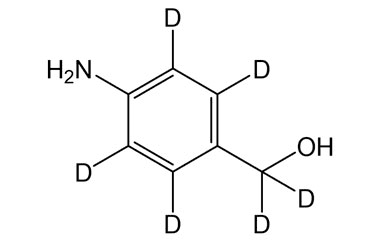

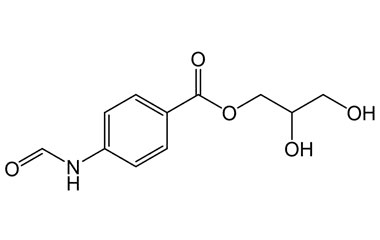
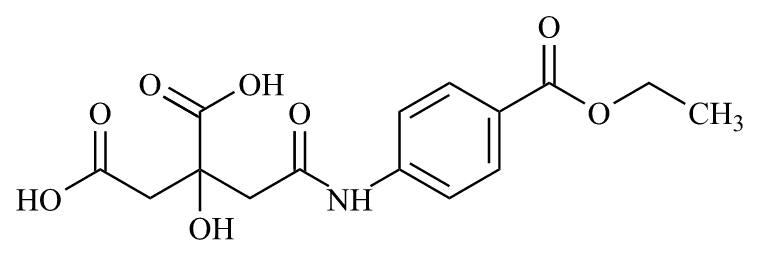
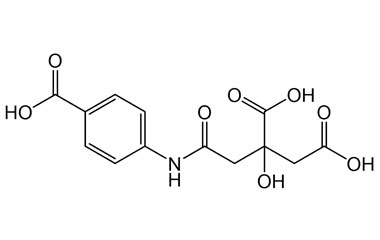
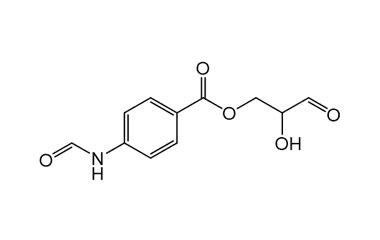
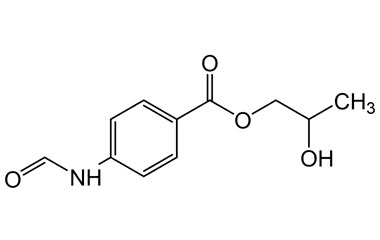

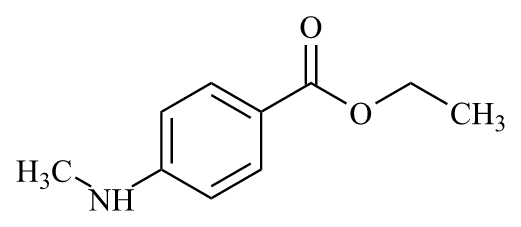

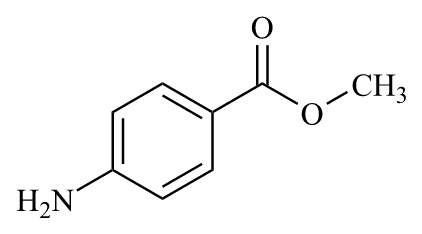
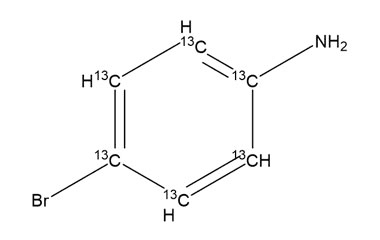
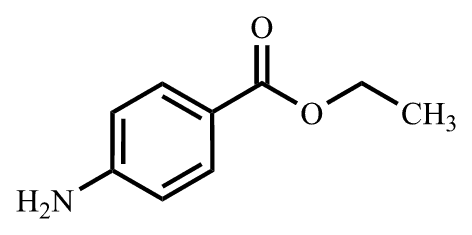


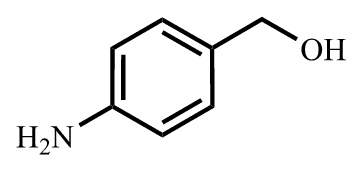
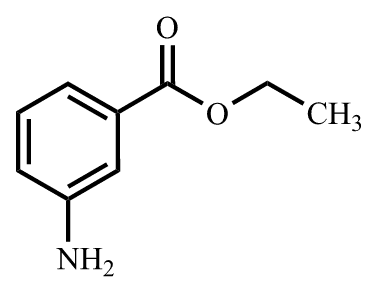
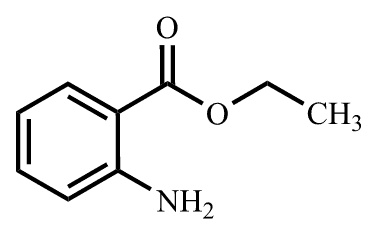
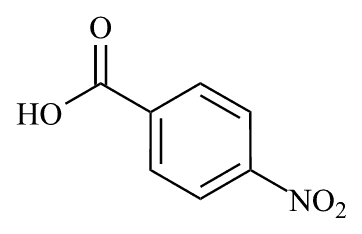

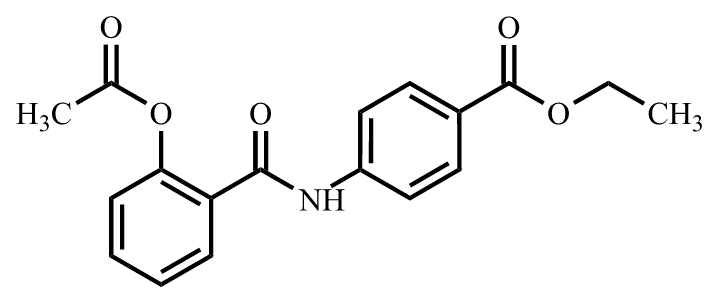
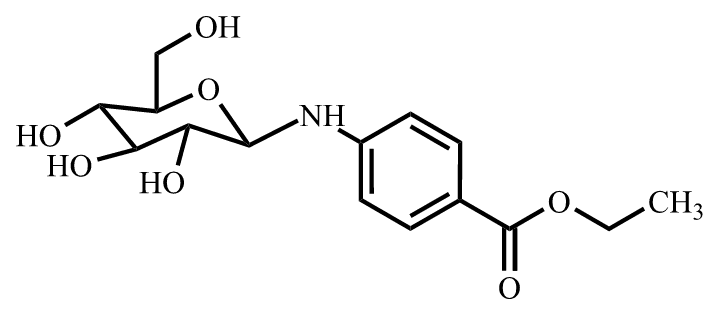
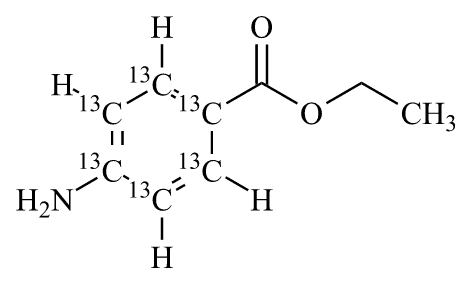
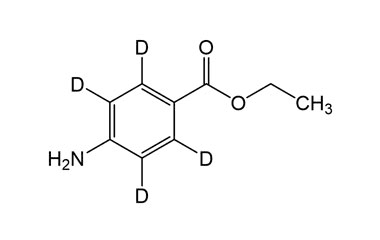


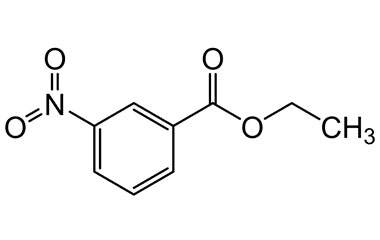
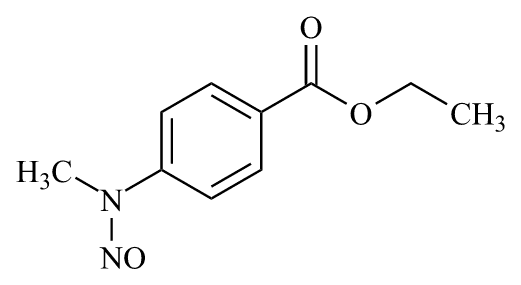
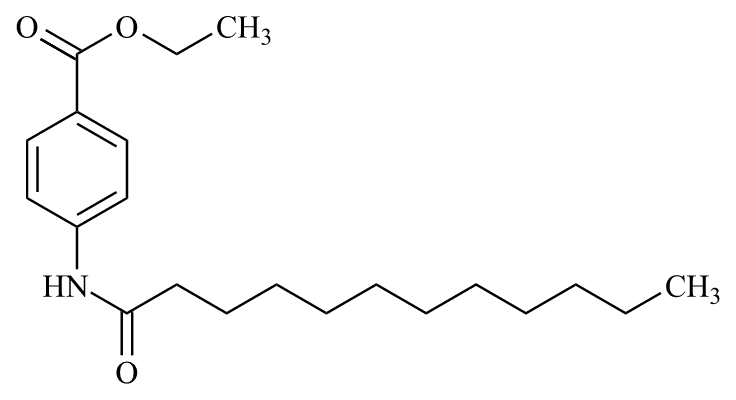
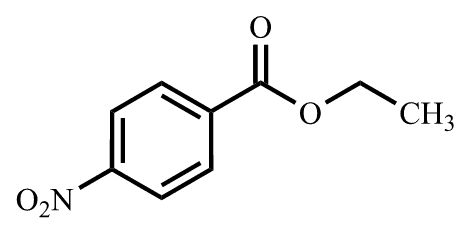
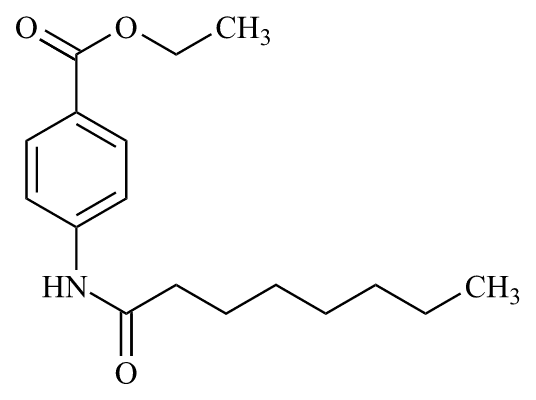
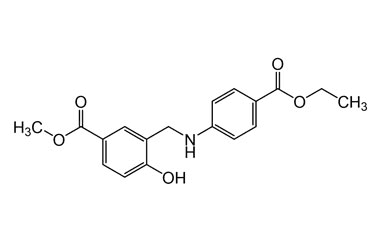
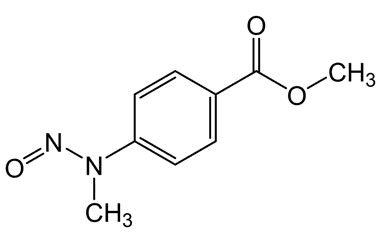
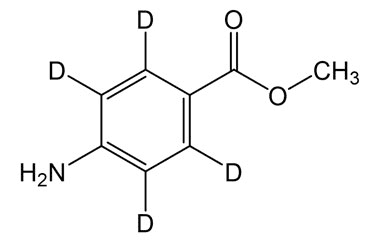
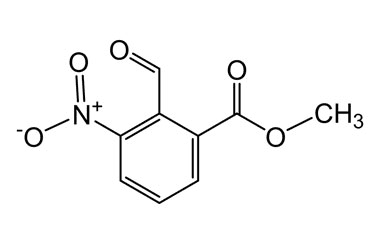
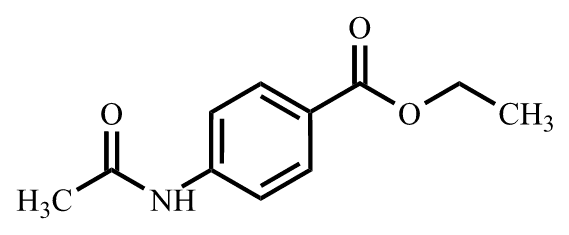
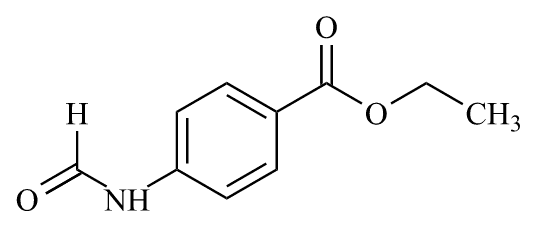
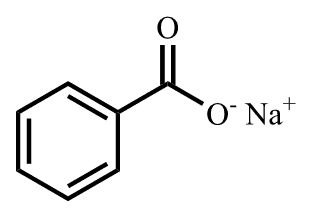
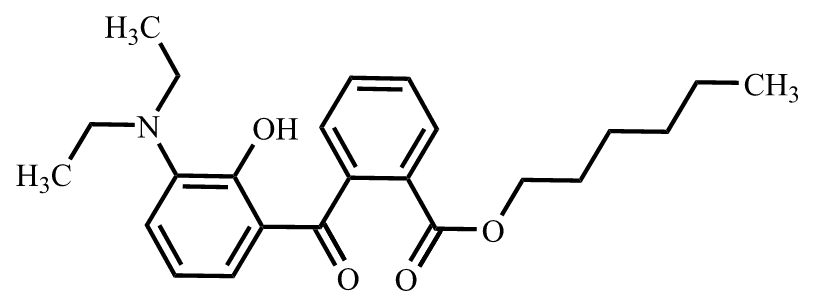
Benzocaine is an ester-type local anesthetic primarily utilized to alleviate superficial pain and inflammation affecting oral and nasal mucous membranes. By blocking sodium channels within nerve cell membranes, this medication effectively inhibits the transmission of pain signals. Analytical laboratories rely on high-quality reference standards of Benzocaine to perform precise impurity profiling and method validation. This collection includes a comprehensive range of related compounds, such as pharmacopeial and non-pharmacopeial impurities, metabolites like N-acetylbenzocaine, and various stable isotope labelled compounds. These materials are essential for researchers and quality control professionals conducting rigorous analytical testing, ensuring accurate identification and quantification of impurities in accordance with regulatory standards.

