India +91 94223 00020abhay@splendidlab.comISO 17034:2016 · GLP certified
Benzofuran and its derivatives represent a critical class of heterocyclic compounds used extensively in analytical chemistry, pharmaceutical research, and environmental monitoring. Unlike a standard pharmaceutical… Read more


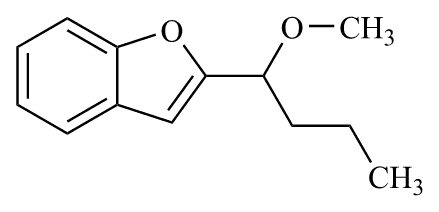


Benzofuran and its derivatives represent a critical class of heterocyclic compounds used extensively in analytical chemistry, pharmaceutical research, and environmental monitoring. Unlike a standard pharmaceutical API, the parent benzofuran structure serves as a vital chemical scaffold for various industrial agents and is frequently studied as an environmental contaminant, particularly in the form of chlorinated dibenzofurans. To support accurate identification and quantification, laboratories utilize high-quality reference standards, including complex impurities and metabolites. These materials are essential for impurity profiling during synthetic process development and for the monitoring of residues in environmental or industrial samples. Furthermore, stable isotope-labelled compounds are provided to serve as reliable internal standards in mass spectrometry workflows. These tools collectively enhance the precision of method validation and regulatory compliance testing for these structurally diverse chemical species.

