India +91 94223 00020abhay@splendidlab.comISO 17034:2016 · GLP certified
Beta cyclodextrin hydrate is a cyclic oligosaccharide derived from starch through enzymatic conversion, consisting of seven α-D-glucopyranose units linked by 1→4 glycosidic bonds. It is widely utilized… Read more
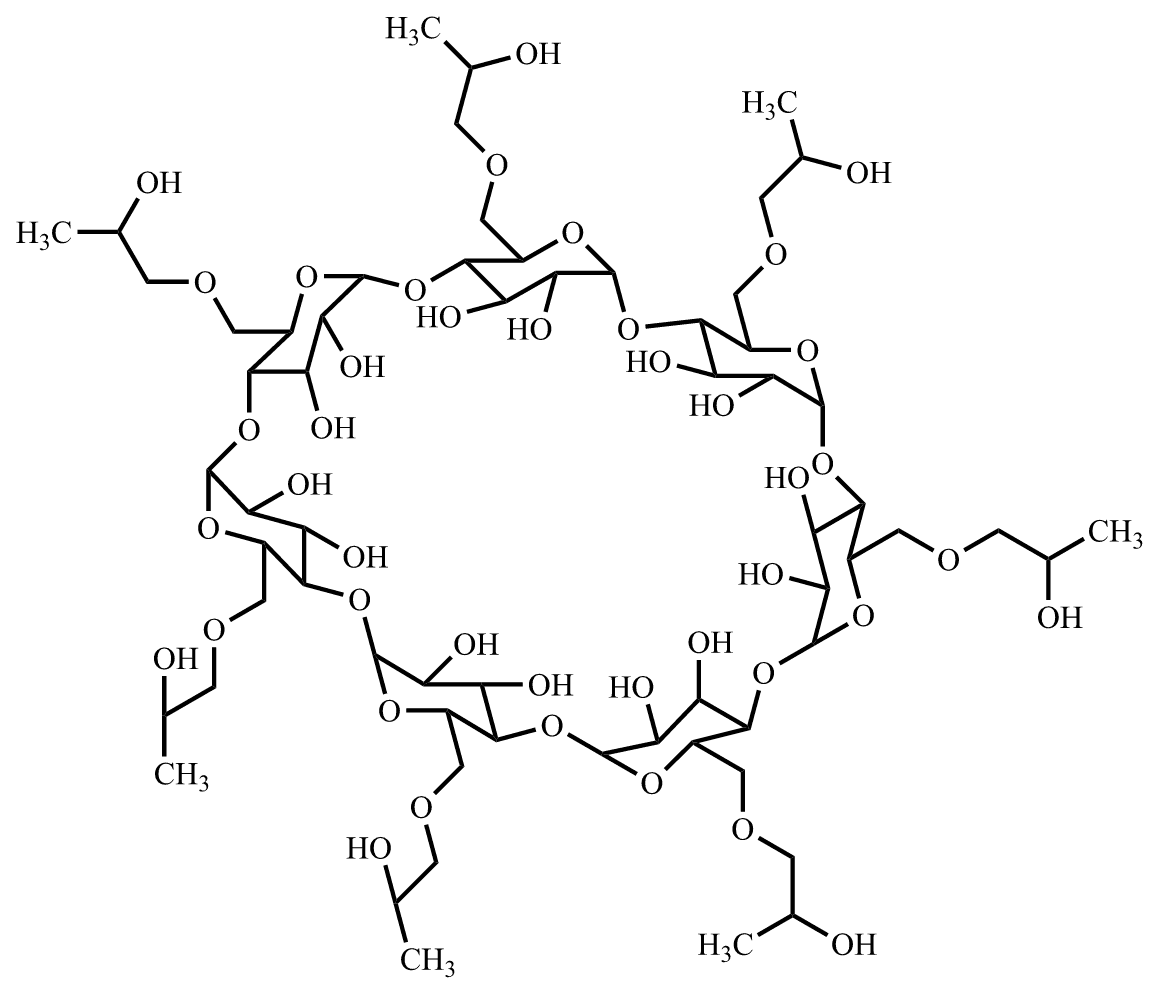
Beta cyclodextrin hydrate is a cyclic oligosaccharide derived from starch through enzymatic conversion, consisting of seven α-D-glucopyranose units linked by 1→4 glycosidic bonds. It is widely utilized in the pharmaceutical industry as an excipient and drug delivery vehicle to enhance the solubility and stability of hydrophobic compounds. This category offers a comprehensive selection of high-quality reference standards, including pharmacopeial and non-pharmacopeial impurities, amino-deoxy derivatives, and substituted forms such as sulfobutyl ether sodium salts and hydroxypropyl derivatives. These analytical standards are essential for pharmaceutical laboratories performing impurity profiling, method validation, and rigorous quality control testing. By utilizing these precise reference materials, researchers can accurately assess the composition, purity, and performance of cyclodextrin-based formulations, ensuring consistency and regulatory compliance in drug development and manufacturing processes.