India +91 94223 00020abhay@splendidlab.comISO 17034:2016 · GLP certified
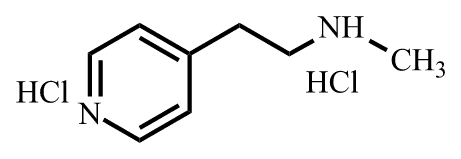
Betahistine hydrochloride is a histamine H3 receptor agonist and vasodilator primarily used to treat symptoms associated with Ménière's disease and vertigo by improving microcirculation in the inner ear.… Read more
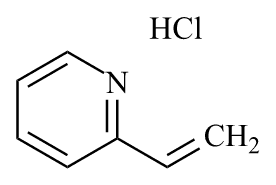
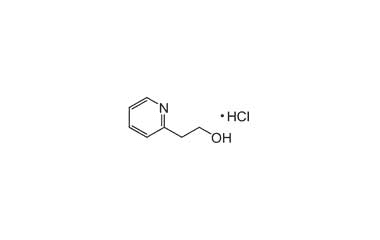
Betahistine hydrochloride is a histamine H3 receptor agonist and vasodilator primarily used to treat symptoms associated with Ménière's disease and vertigo by improving microcirculation in the inner ear. This category contains the active pharmaceutical ingredient alongside its related impurities, such as 2-vinylpyridine (Impurity A) and 2-pyridineethanol (Impurity B), which are critical for comprehensive pharmaceutical analysis. Laboratories utilize these high-quality reference standards for impurity profiling, method validation, and routine quality control testing. By incorporating these specific compounds into analytical workflows, researchers can effectively monitor degradation pathways and ensure regulatory compliance during the development and manufacture of pharmaceutical products. Whether conducting stability-indicating studies or verifying pharmacopeial standards, access to these characterized substances is essential for maintaining accurate, reliable results in the testing of this therapeutic agent.