India +91 94223 00020abhay@splendidlab.comISO 17034:2016 · GLP certified
Bifenthrin is a synthetic pyrethroid insecticide widely used for agricultural pest management and vector control, valued for its broad-spectrum efficacy against insects and mites. This category features… Read more
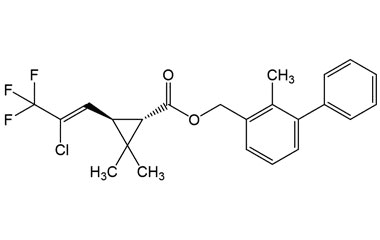
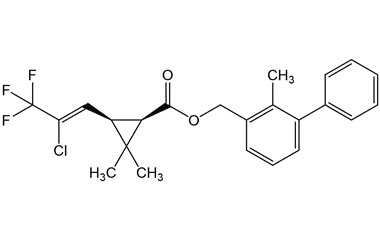
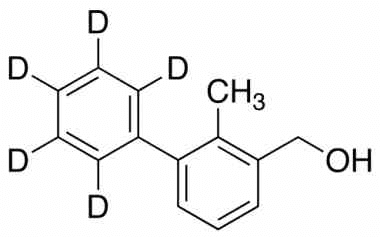
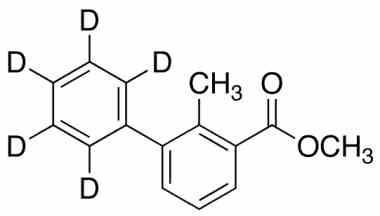


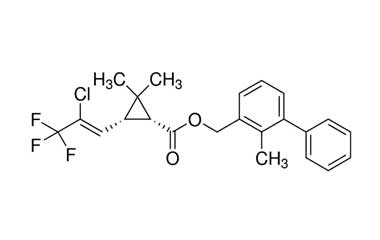
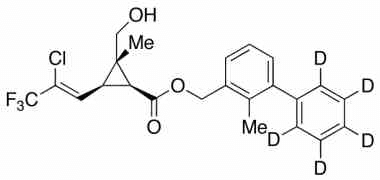
Bifenthrin is a synthetic pyrethroid insecticide widely used for agricultural pest management and vector control, valued for its broad-spectrum efficacy against insects and mites. This category features a comprehensive selection of reference standards, key impurities, metabolites, and stable isotope labelled compounds essential for the precise analytical testing and quality control of bifenthrin products. These materials support rigorous impurity profiling and the quantification of residues in environmental and food matrices. Stable isotope labelled analogues, including deuterated versions, are vital for use as internal standards in mass spectrometry to enhance the sensitivity and accuracy of analytical assays. By employing these reference materials, laboratories can ensure the integrity of method validation and maintain compliance with established regulatory requirements for pesticide monitoring and chemical characterization.

