India +91 94223 00020abhay@splendidlab.comISO 17034:2016 · GLP certified
Brigatinib is a next-generation tyrosine kinase inhibitor that functions by targeting anaplastic lymphoma kinase (ALK) and epidermal growth factor receptor (EGFR) to treat non-small cell lung cancer. Laboratories… Read more
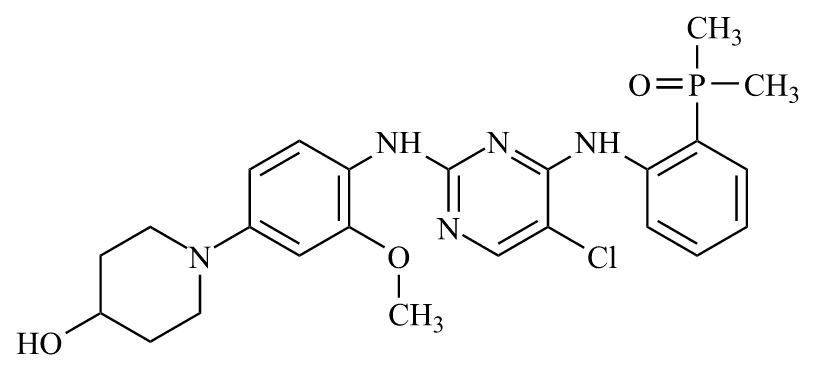


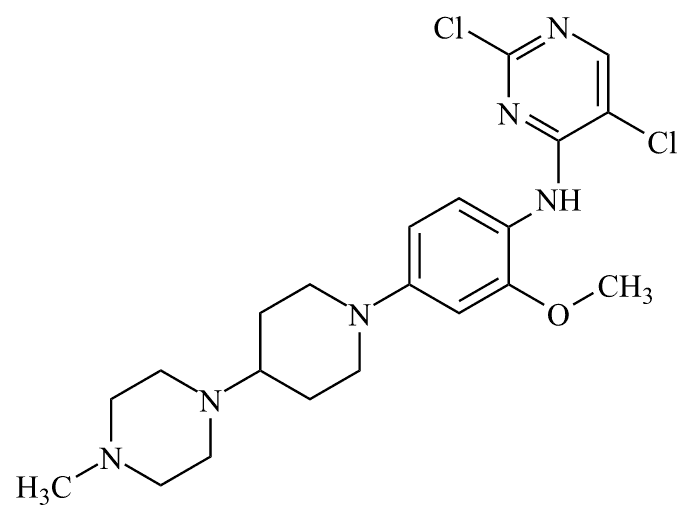


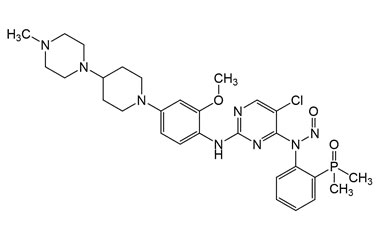

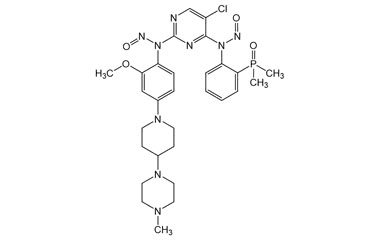
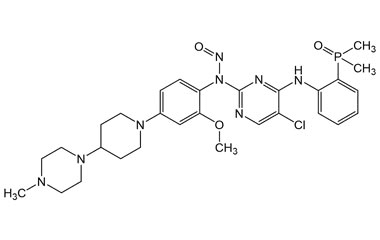


Brigatinib is a next-generation tyrosine kinase inhibitor that functions by targeting anaplastic lymphoma kinase (ALK) and epidermal growth factor receptor (EGFR) to treat non-small cell lung cancer. Laboratories rely on our comprehensive range of high-quality Brigatinib reference standards to support rigorous analytical testing, method validation, and quality control protocols. This collection includes the active pharmaceutical ingredient alongside its pharmacopeial and non-pharmacopeial impurities, degradation products, and stable isotope-labelled compounds. These materials are essential for accurate impurity profiling and structural characterization, ensuring compliance with ICH guidelines during pharmaceutical development and stability studies. By providing access to structurally diverse related compounds, these standards assist researchers in identifying and quantifying potential degradation pathways, such as oxidative or hydrolytic modifications, to maintain the safety and efficacy of the final therapeutic product.

