India +91 94223 00020abhay@splendidlab.comISO 17034:2016 · GLP certified
Brivaracetam is an antiepileptic drug of the racetam class, primarily indicated as an adjunctive therapy for the treatment of partial-onset seizures by binding to the synaptic vesicle protein 2A (SV2A)… Read more
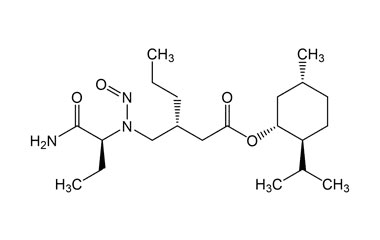
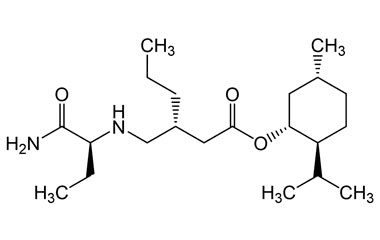





















Brivaracetam is an antiepileptic drug of the racetam class, primarily indicated as an adjunctive therapy for the treatment of partial-onset seizures by binding to the synaptic vesicle protein 2A (SV2A) in the brain. To support rigorous pharmaceutical analysis, this category provides a comprehensive selection of Brivaracetam reference standards, including pharmacopeial and non-pharmacopeial impurities, synthetic intermediates, degradation products, and stable isotope labelled compounds. Pharmaceutical laboratories rely on these high-quality materials for essential analytical testing, such as impurity profiling, method validation, and batch release protocols. By utilizing these characterized compounds, researchers can ensure compliance with regulatory guidelines during stability studies and forced degradation testing. Whether investigating metabolic pathways or ensuring consistent product quality, these related substances serve as critical components for accurate quantification and identification throughout the drug development lifecycle.

