India +91 94223 00020abhay@splendidlab.comISO 17034:2016 · GLP certified
Butanediol refers to a group of isomers, including 1,3-butanediol and 1,4-butanediol, which are saturated aliphatic diols used as essential chemical building blocks in the synthesis of resins, plasticizers,… Read more
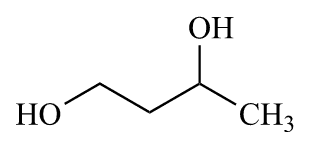
Butanediol refers to a group of isomers, including 1,3-butanediol and 1,4-butanediol, which are saturated aliphatic diols used as essential chemical building blocks in the synthesis of resins, plasticizers, and various pharmaceutical intermediates. While these compounds are generally employed in industrial manufacturing rather than as therapeutic agents, their derivatives and related degradation products are critical in pharmaceutical research. Laboratories utilize high-purity reference standards, such as 1,4-butanediol impurities, diglycidyl ether derivatives, and specific chlorohydrin ethers, to conduct rigorous impurity profiling and method validation. By employing these precise analytical standards, researchers can ensure the quality control and regulatory compliance of pharmaceutical formulations that incorporate butanediol-based structures, facilitating accurate identification and quantification during routine safety testing and structural characterization.