India +91 94223 00020abhay@splendidlab.comISO 17034:2016 · GLP certified
Caffeine is a central nervous system stimulant belonging to the methylxanthine class, widely used to enhance mental alertness, promote wakefulness, and support respiratory function. This category provides… Read more
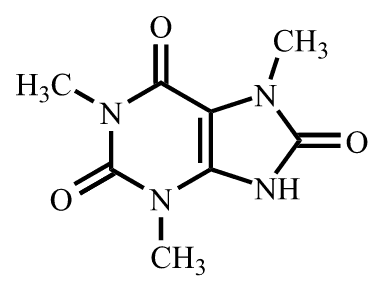
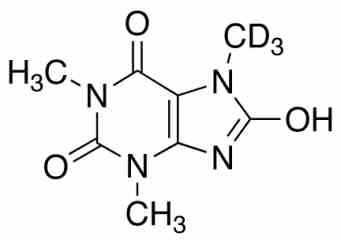
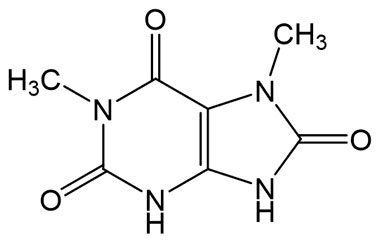
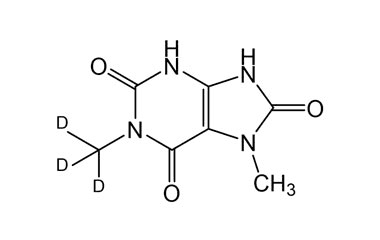
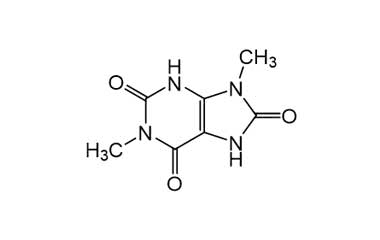


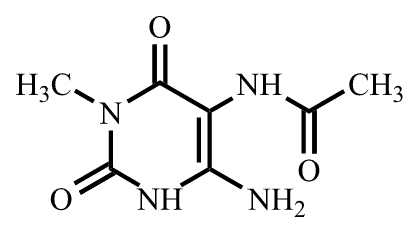
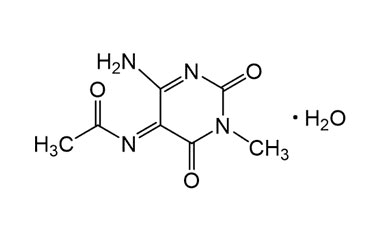
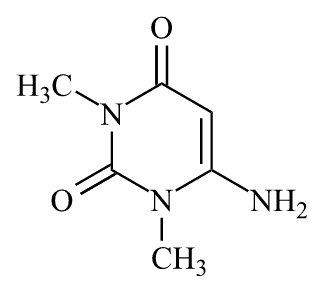
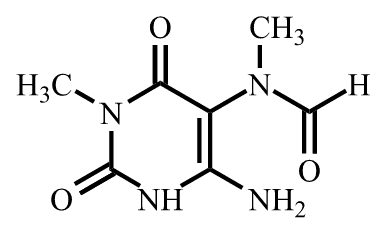
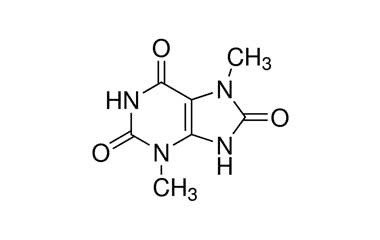
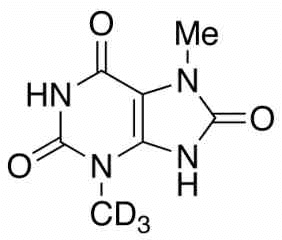
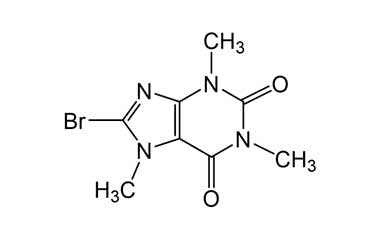
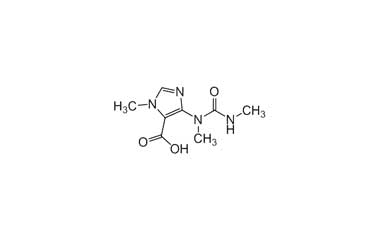
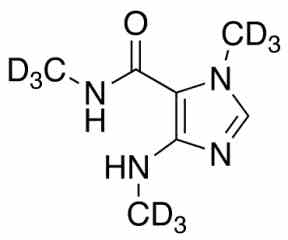


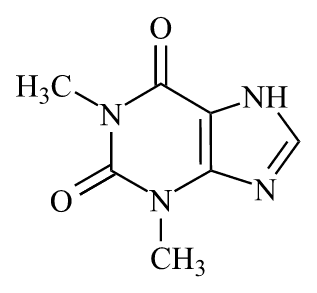
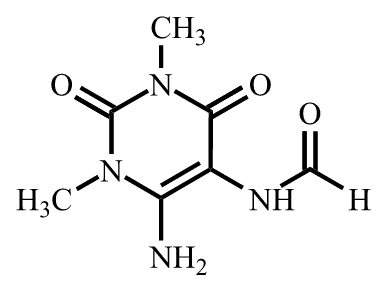
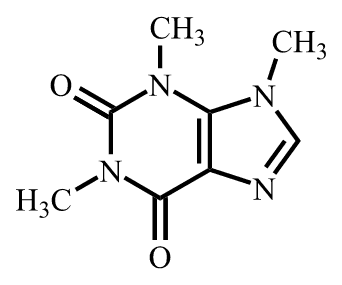
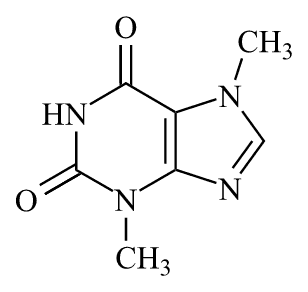
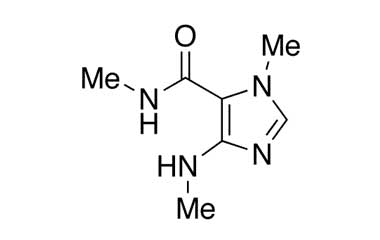
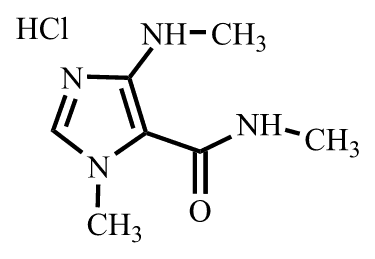
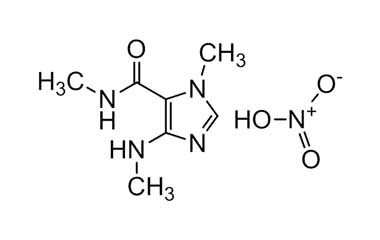
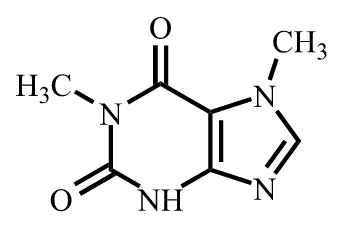


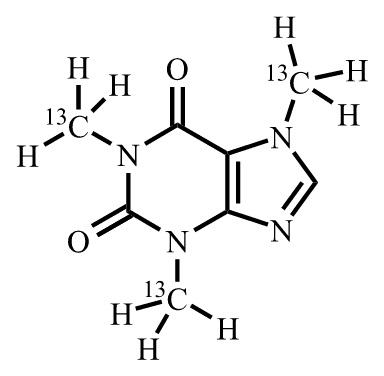
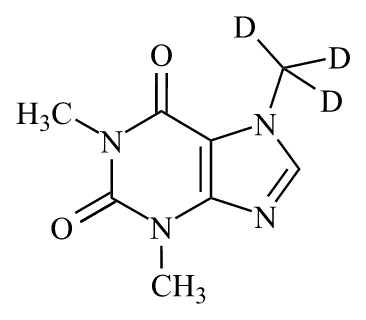
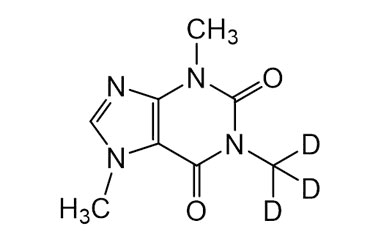
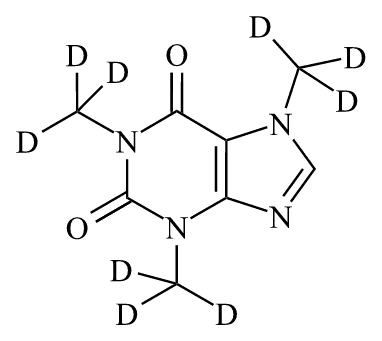
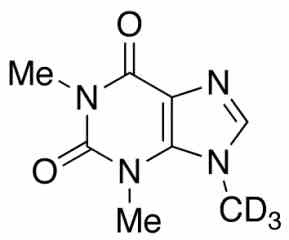

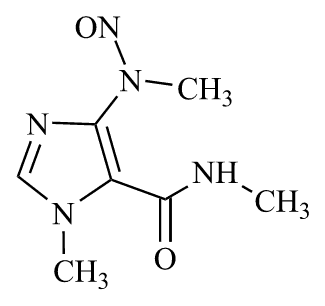
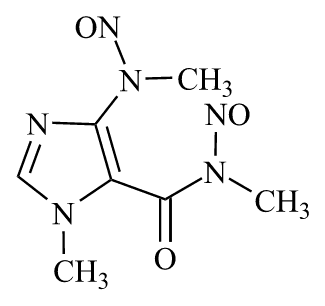
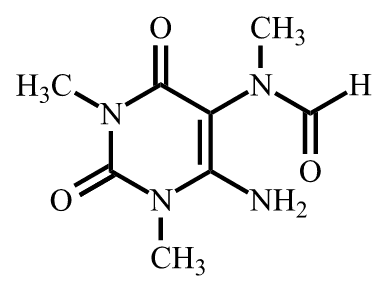
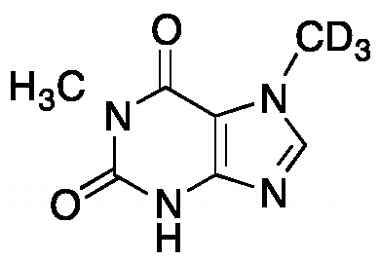

Caffeine is a central nervous system stimulant belonging to the methylxanthine class, widely used to enhance mental alertness, promote wakefulness, and support respiratory function. This category provides a comprehensive selection of Caffeine reference standards, including the active pharmaceutical ingredient, its pharmacopeial and non-pharmacopeial impurities, and stable isotope labelled compounds. Pharmaceutical laboratories utilize these high-quality materials for critical analytical processes, including impurity profiling, method validation, and rigorous quality control protocols. By incorporating accurately characterized impurity standards, researchers can effectively identify and quantify degradation products and process-related substances in compliance with regulatory guidelines. Furthermore, stable isotope labelled compounds are essential as internal standards in mass spectrometry-based assays, ensuring precise quantitative results during pharmacokinetic and bioequivalence studies. These standards serve as vital benchmarks for maintaining the stability, safety, and therapeutic consistency of pharmaceutical products throughout their development and lifecycle.

