India +91 94223 00020abhay@splendidlab.comISO 17034:2016 · GLP certified
Camphor is a volatile, bicyclic terpene ketone used clinically as a topical analgesic and antipruritic agent to treat pain and pruritus in various skin conditions. By activating TRPA1 receptors and inhibiting… Read more

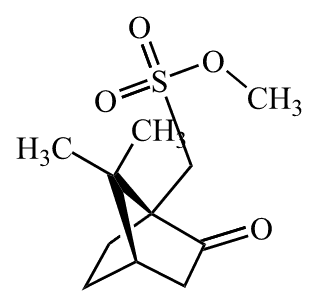
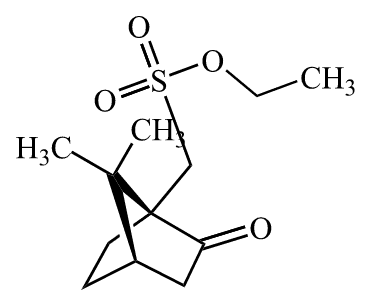
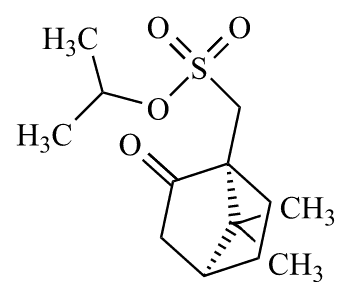
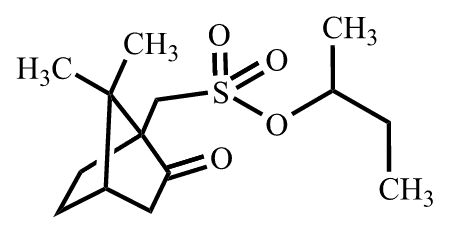

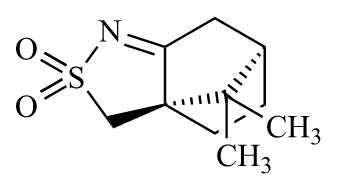

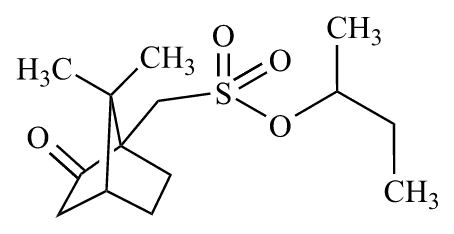
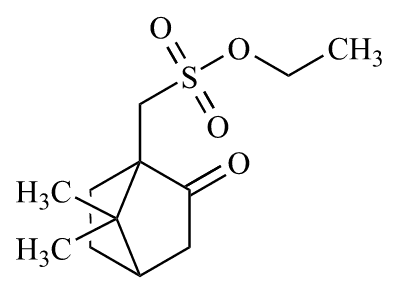
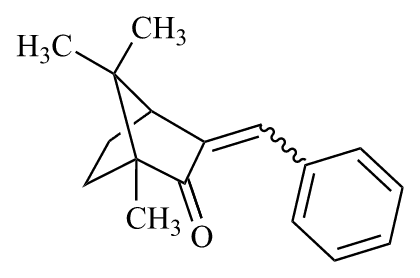

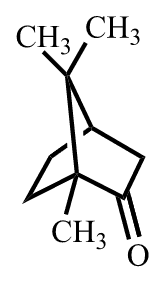
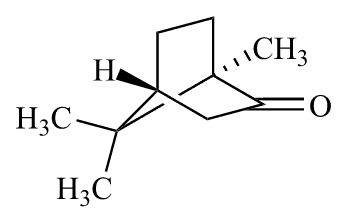
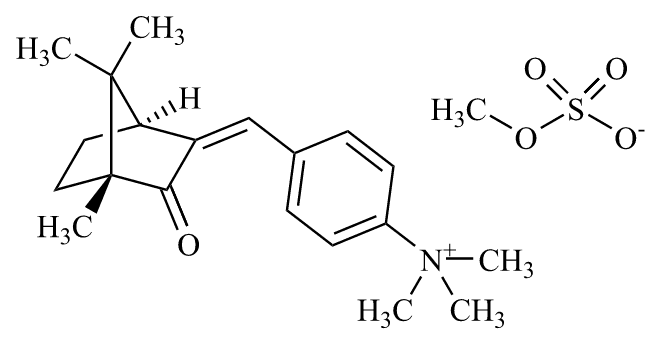
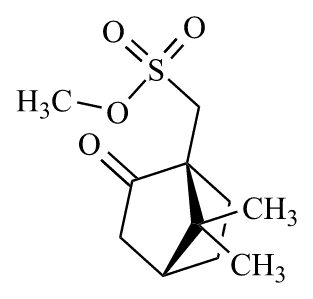
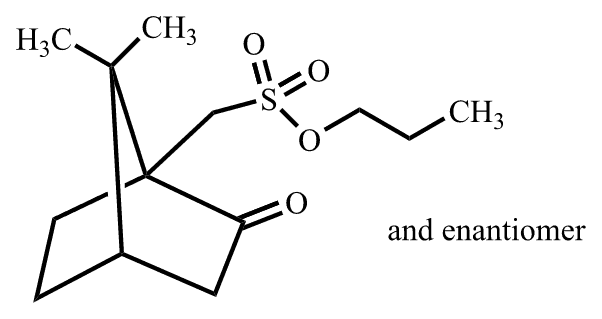
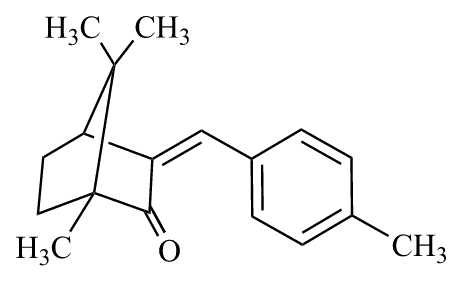
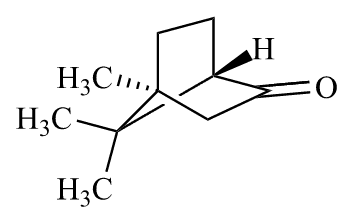
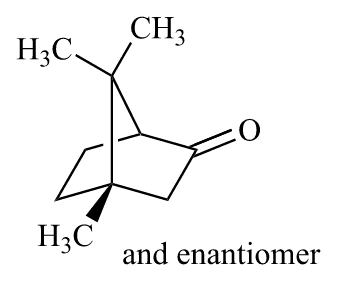
Camphor is a volatile, bicyclic terpene ketone used clinically as a topical analgesic and antipruritic agent to treat pain and pruritus in various skin conditions. By activating TRPA1 receptors and inhibiting sodium channels, it provides localized anesthetic and anti-inflammatory effects. This category contains a comprehensive range of reference standards, including the active pharmaceutical ingredient, pharmacopeial and non-pharmacopeial impurities, epimeric forms such as epicamphor, and various camphorsulfonic acid derivatives. These high-quality compounds are essential for laboratories performing rigorous impurity profiling and method validation. Additionally, the inclusion of stable isotope labelled compounds facilitates precise quantitative analysis and mass spectrometry studies in pharmaceutical quality control. By utilizing these materials, analysts can ensure the accuracy and consistency of their testing protocols when evaluating camphor-based formulations and related products.

