India +91 94223 00020abhay@splendidlab.comISO 17034:2016 · GLP certified
Cefalonium is a first-generation cephalosporin antibiotic that functions by inhibiting bacterial cell wall synthesis through binding to penicillin-binding proteins. It is typically employed in veterinary… Read more

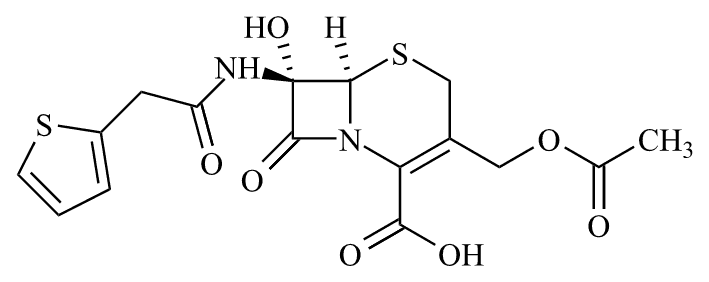

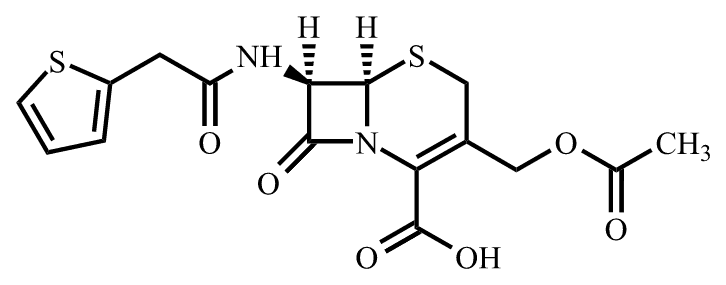


Cefalonium is a first-generation cephalosporin antibiotic that functions by inhibiting bacterial cell wall synthesis through binding to penicillin-binding proteins. It is typically employed in veterinary medicine to treat intramammary infections, particularly mastitis, in dry cows. Analytical laboratories require high-quality reference standards of Cefalonium, including its pharmacopeial and non-pharmacopeial impurities, to support rigorous impurity profiling and method validation. These compounds, along with associated metabolites and stable isotope-labelled analogues, are essential for accurate identification and quantification during routine quality control procedures. By utilizing well-characterized reference materials, researchers can effectively monitor degradation products and ensure the compliance of drug substances with regulatory specifications. The availability of these standards facilitates precise analytical testing, ensuring consistent performance and reliability throughout the pharmaceutical development and manufacturing lifecycle.

