India +91 94223 00020abhay@splendidlab.comISO 17034:2016 · GLP certified
Cefovecin is a broad-spectrum, third-generation cephalosporin antibiotic primarily utilized in veterinary medicine to treat various skin infections in dogs and cats caused by pathogens such as Pasteurella… Read more


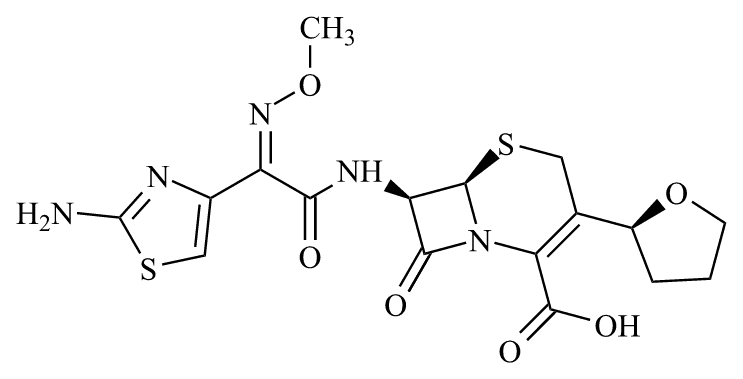
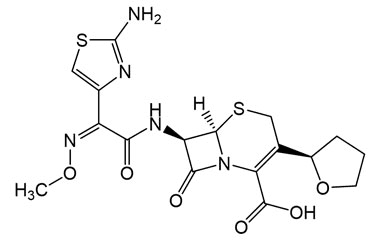
Cefovecin is a broad-spectrum, third-generation cephalosporin antibiotic primarily utilized in veterinary medicine to treat various skin infections in dogs and cats caused by pathogens such as Pasteurella multocida, Staphylococcus intermedius, and Streptococcus canis. Laboratories analyzing this semi-synthetic antibacterial agent rely on high-quality reference standards to ensure rigorous quality control and accurate methodology. This product category provides essential materials, including the active pharmaceutical ingredient, related structural isomers, synthesis-related impurities, and degradation products. These analytical tools are vital for impurity profiling, method validation, and ensuring regulatory compliance during stability studies. Additionally, researchers may utilize stable isotope-labelled compounds as internal standards for sensitive quantitative analysis, such as mass spectrometry, to achieve precise identification and quantification of the drug and its metabolites within complex biological matrices.

