India +91 94223 00020abhay@splendidlab.comISO 17034:2016 · GLP certified
Ceramide compounds represent an essential class of sphingolipids consisting of a sphingosine backbone linked to a fatty acid, which function as key structural lipids in cell membranes and vital signaling… Read more
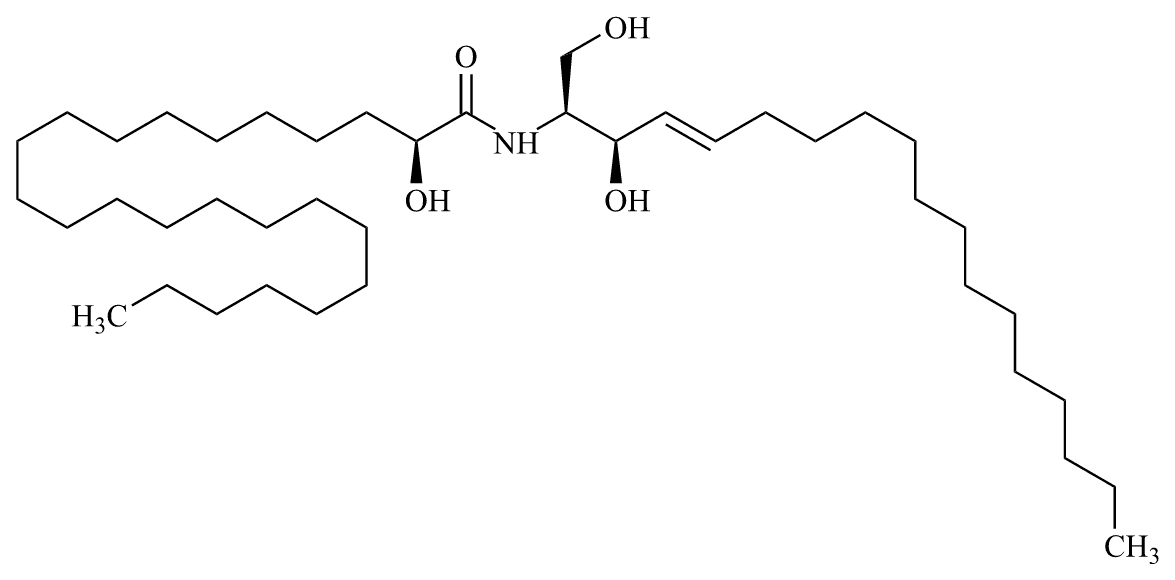
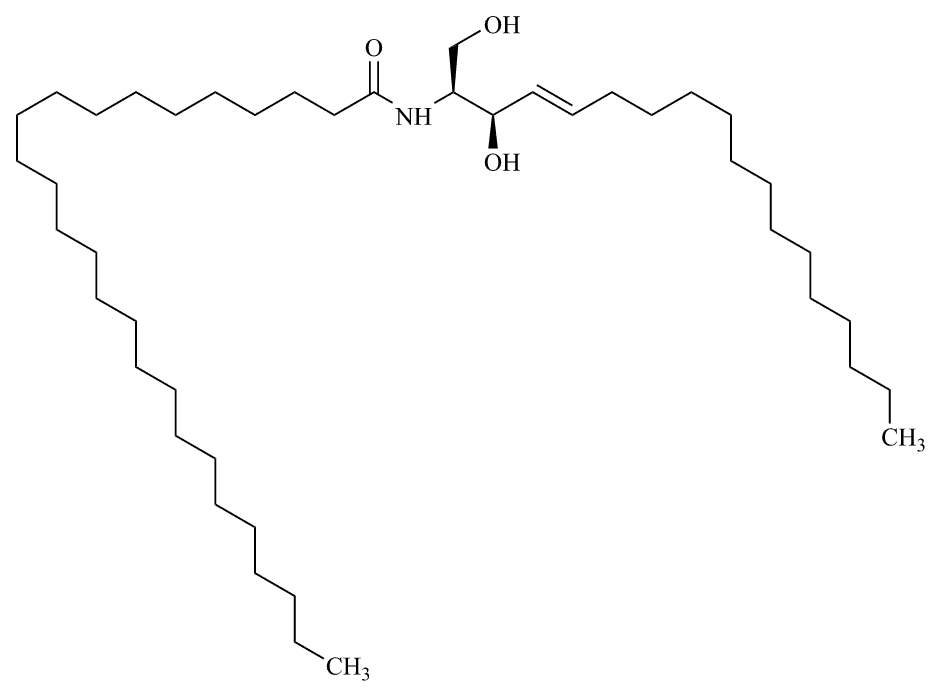
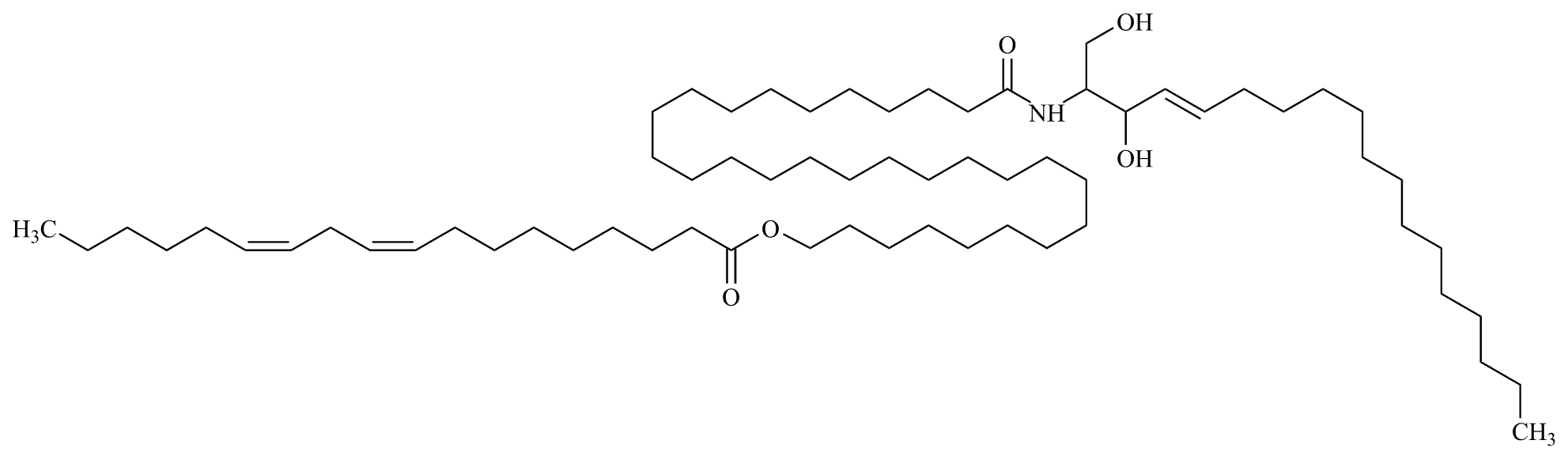
Ceramide compounds represent an essential class of sphingolipids consisting of a sphingosine backbone linked to a fatty acid, which function as key structural lipids in cell membranes and vital signaling molecules regulating differentiation, proliferation, and apoptosis. In dermatological and biochemical research, these molecules are recognized for their role in maintaining skin barrier integrity and influencing complex cellular pathways. Laboratories utilize this range of ceramide reference standards and stable isotope labelled compounds to facilitate precise impurity profiling, rigorous method validation, and accurate quantitative analysis in complex biological matrices. Because these labelled analogs exhibit physicochemical properties nearly identical to endogenous ceramides, they serve as highly effective internal standards for liquid chromatography-mass spectrometry (LC-MS/MS) applications. By compensating for matrix effects and instrumentation variability, these standards enable the reliable identification and quantification of diverse ceramide species in various analytical and quality control studies across pharmaceutical and clinical research.