India +91 94223 00020abhay@splendidlab.comISO 17034:2016 · GLP certified
Cerivastatin is a synthetic statin used to lower elevated levels of LDL and total cholesterol in the blood by inhibiting HMG-CoA reductase. This category provides essential reference standards for the… Read more

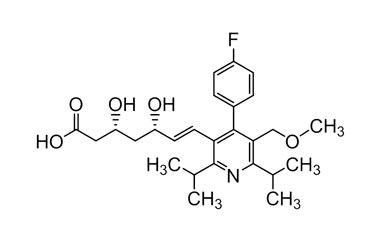
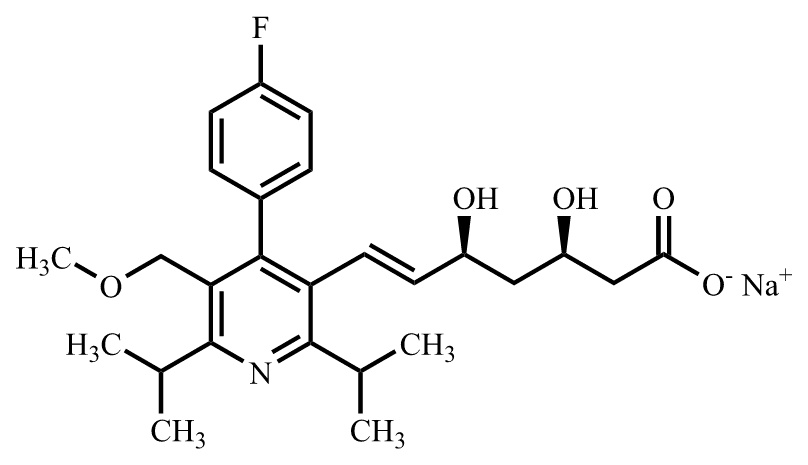
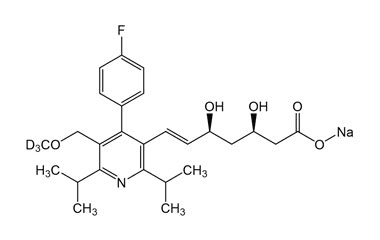
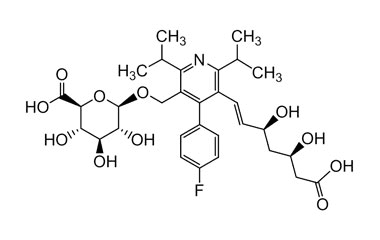
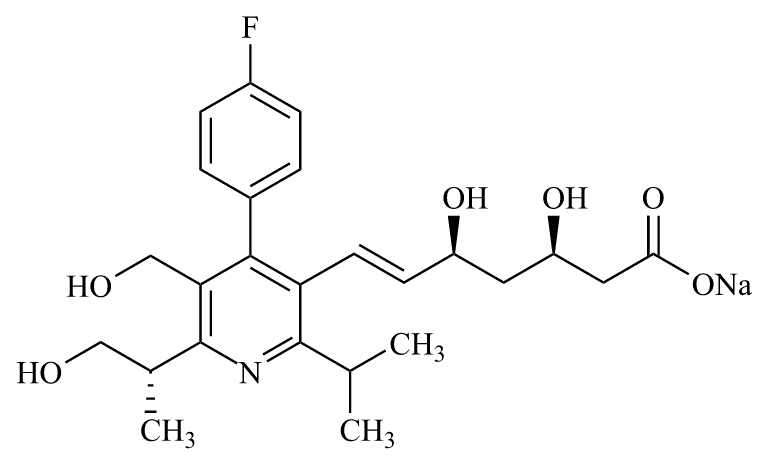
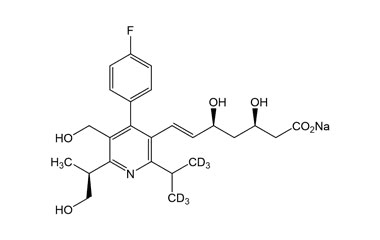
Cerivastatin is a synthetic statin used to lower elevated levels of LDL and total cholesterol in the blood by inhibiting HMG-CoA reductase. This category provides essential reference standards for the parent drug and its related compounds, including pharmaceutical impurities, metabolites such as desmethyl hydroxy cerivastatin, and stable isotope-labelled compounds like cerivastatin-d3 and -d5. These high-quality reference materials are indispensable for pharmaceutical laboratories conducting impurity profiling, method validation, and stability testing. By utilizing labelled standards as internal standards in mass spectrometry, researchers can accurately assess metabolic pathways and quantify analyte levels during quality control. The availability of these characterized standards supports rigorous regulatory compliance and ensures the precision of analytical procedures throughout the drug development lifecycle, from early research to final quality assessment.

