India +91 94223 00020abhay@splendidlab.comISO 17034:2016 · GLP certified
Cetirizine is a second-generation antihistamine of the piperazine class, widely indicated for the treatment of allergic rhinitis, dermatitis, and urticaria. It functions as a selective antagonist of peripheral… Read more
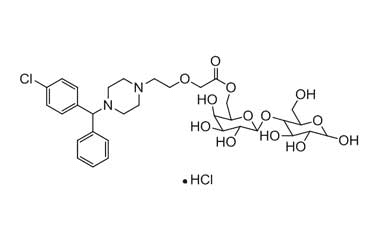
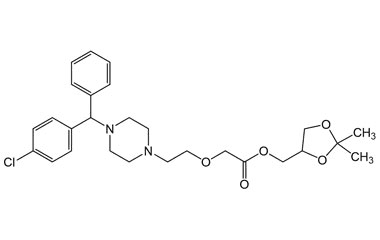
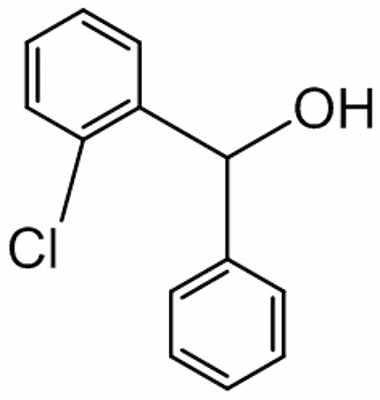
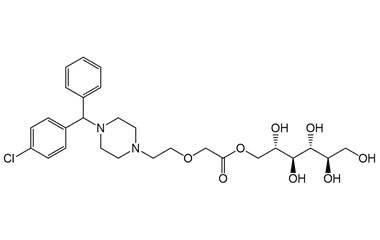

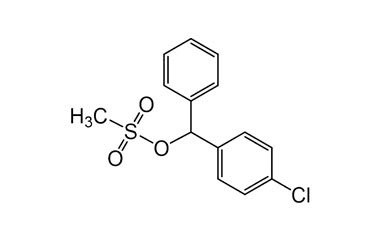
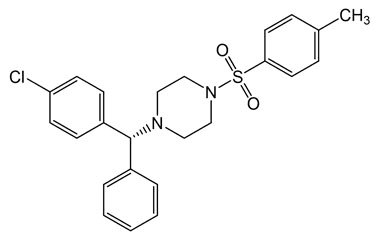

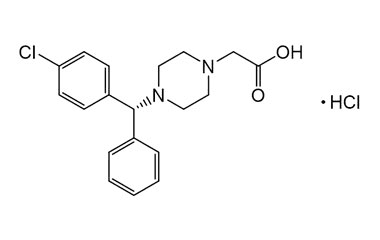
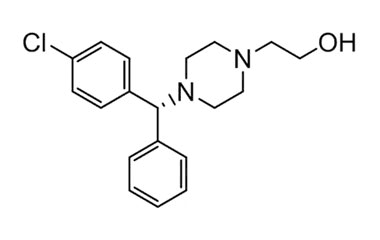
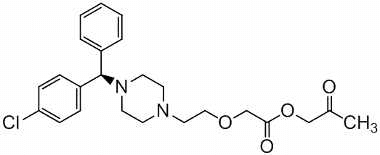
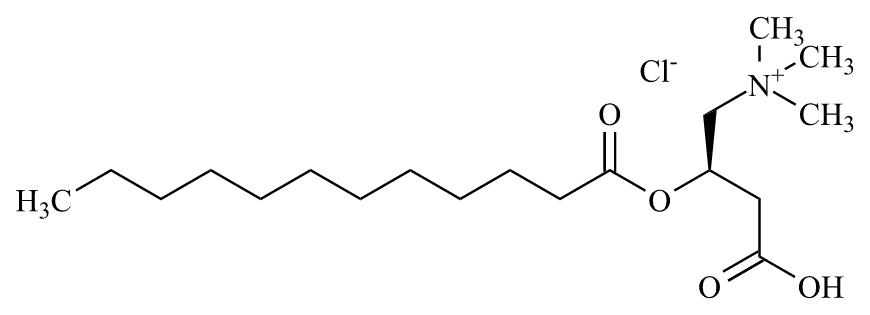
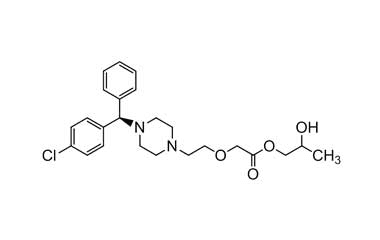
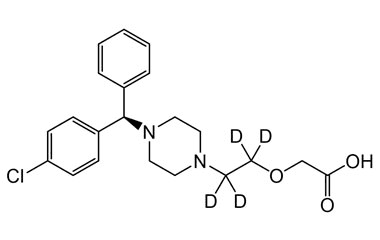
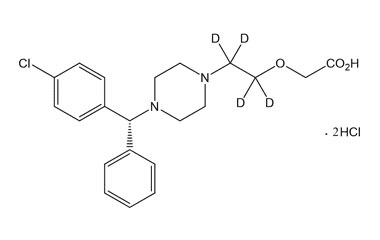
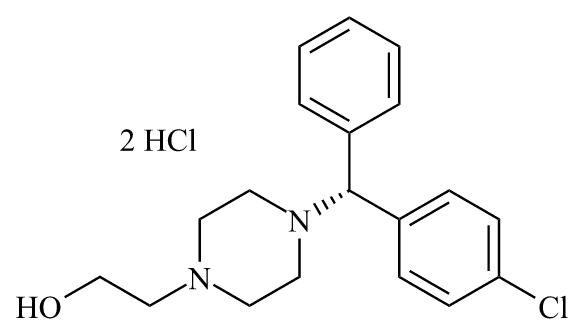
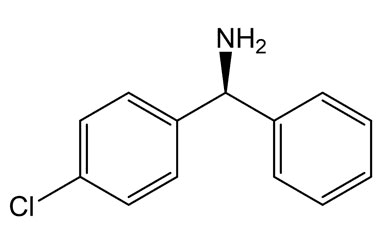

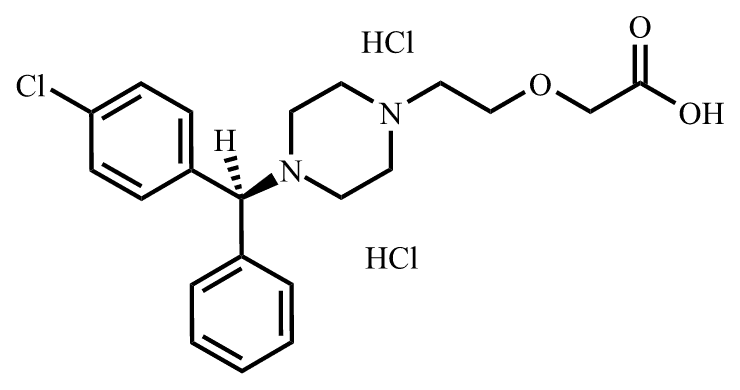
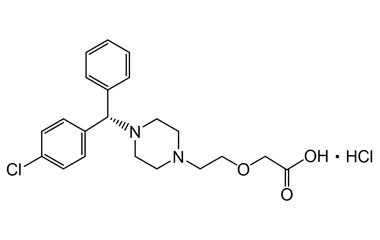
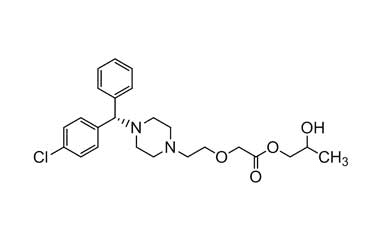
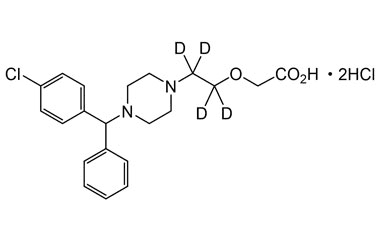
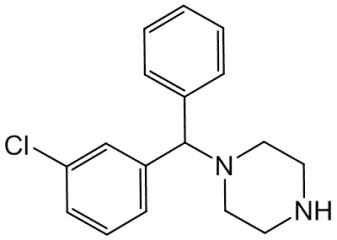
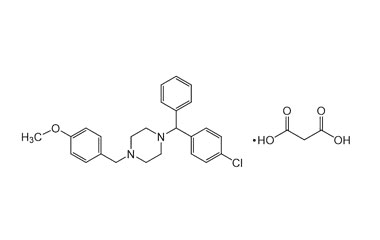

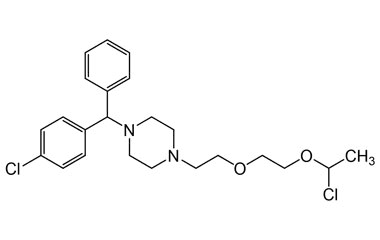
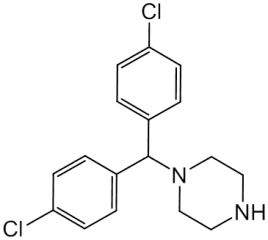

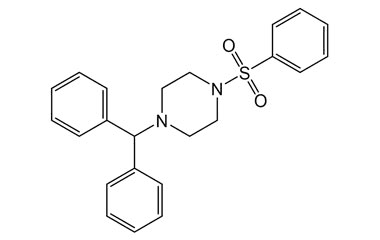
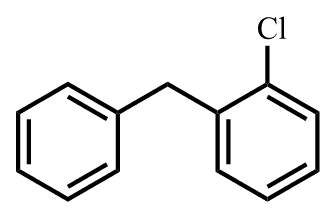
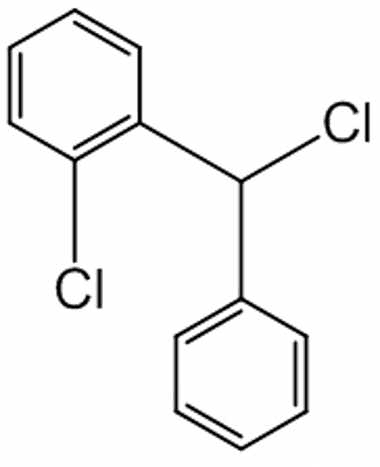
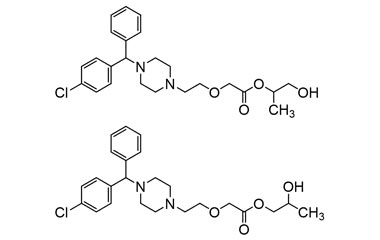
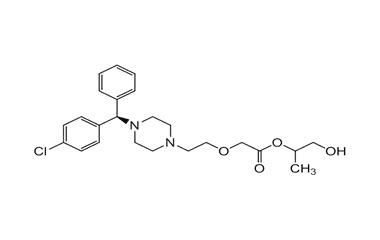
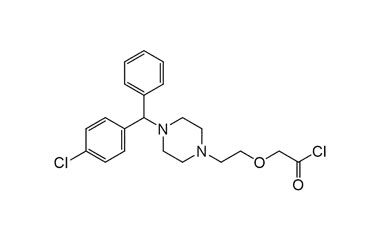
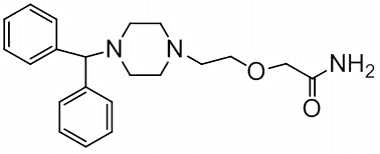
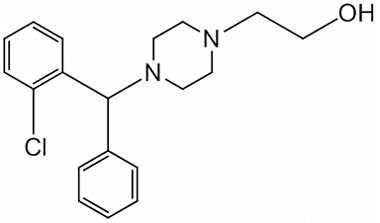


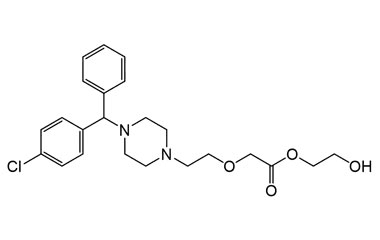
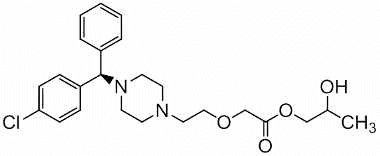
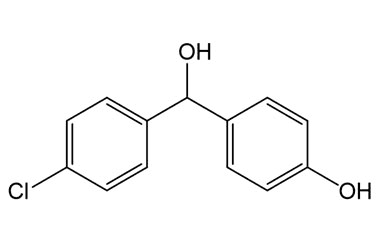
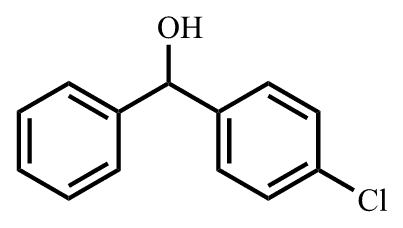
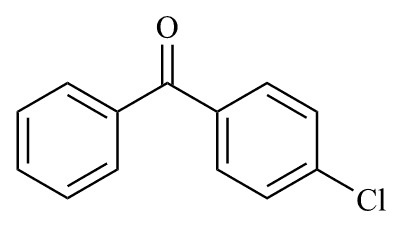


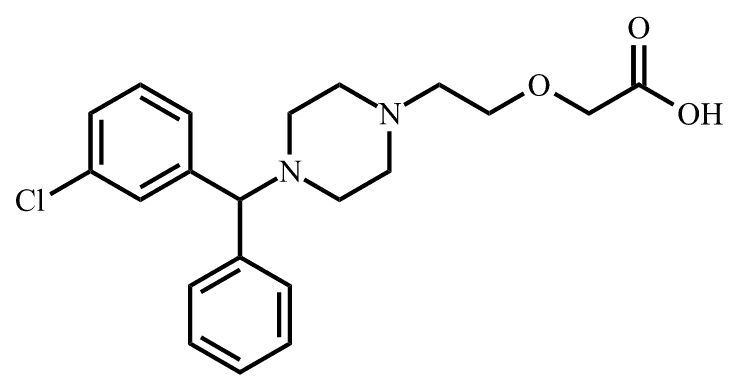


Cetirizine is a second-generation antihistamine of the piperazine class, widely indicated for the treatment of allergic rhinitis, dermatitis, and urticaria. It functions as a selective antagonist of peripheral H1 histamine receptors to alleviate allergic symptoms. In pharmaceutical research and development, maintaining rigorous quality control is essential, necessitating the use of high-precision analytical tools. This category provides a comprehensive selection of reference standards, pharmacopeial and non-pharmacopeial impurities, and stable isotope-labelled compounds. These materials are critical for accurate impurity profiling, method validation, and stability testing in accordance with global regulatory guidelines. Laboratory professionals utilize these characterized standards to identify and quantify process-related impurities, degradation products, and synthetic intermediates, ensuring the ongoing safety and efficacy of the drug substance. By incorporating these materials into routine analytical workflows, laboratories can maintain consistent compliance with pharmacopeial monographs and stringent quality assurance standards during drug development.

