India +91 94223 00020abhay@splendidlab.comISO 17034:2016 · GLP certified
Chloramphenicol is a potent, broad-spectrum antibiotic classified as an amphenicol, historically utilized to treat severe bacterial infections such as meningitis and various systemic respiratory or gastrointestinal… Read more


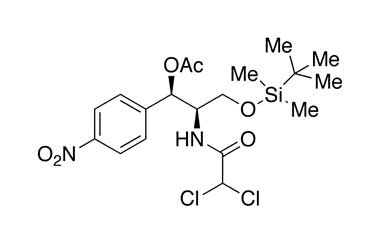


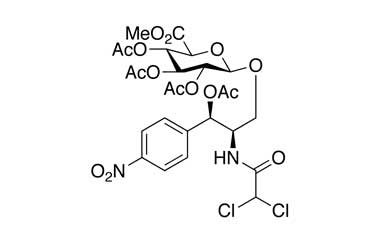


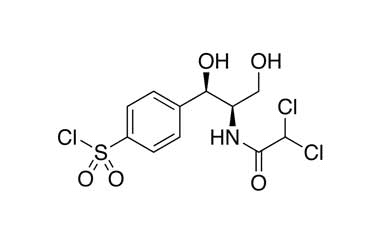

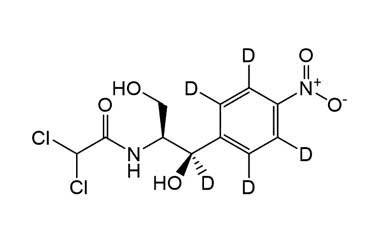


Chloramphenicol is a potent, broad-spectrum antibiotic classified as an amphenicol, historically utilized to treat severe bacterial infections such as meningitis and various systemic respiratory or gastrointestinal conditions by inhibiting bacterial protein synthesis. To support analytical testing and rigorous quality control protocols, this category provides a comprehensive selection of chloramphenicol reference standards, including pharmacopeial and non-pharmacopeial impurities, metabolites, and derivatives. Analytical laboratories rely on these high-quality materials for accurate impurity profiling and method validation during pharmaceutical development. Furthermore, researchers use stable isotope labelled chloramphenicol compounds as internal standards in mass spectrometry-based assays, ensuring precision in quantification and pharmacokinetic studies. Whether characterizing degradation products, glucuronide conjugates, or related structural isomers, these reagents facilitate the reliable identification and monitoring of chloramphenicol and its associated compounds throughout the drug lifecycle.

