India +91 94223 00020abhay@splendidlab.comISO 17034:2016 · GLP certified
Chlorpromazine is a phenothiazine-class antipsychotic medication primarily indicated for the treatment of schizophrenia and mania associated with bipolar disorder, as well as for controlling nausea, vomiting,… Read more


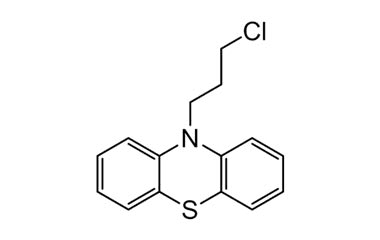

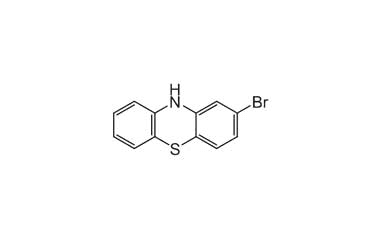

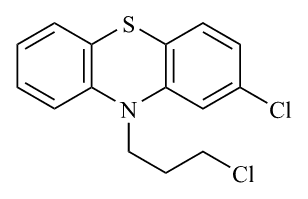


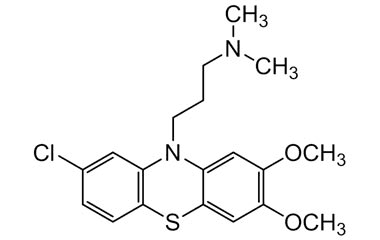


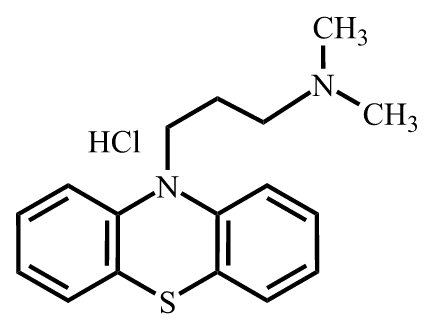


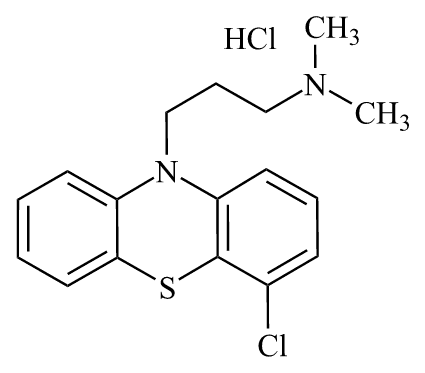


Chlorpromazine is a phenothiazine-class antipsychotic medication primarily indicated for the treatment of schizophrenia and mania associated with bipolar disorder, as well as for controlling nausea, vomiting, and persistent hiccups. In clinical and research settings, it acts as an antagonist at dopamine D2 receptors, along with histamine H1, muscarinic M1 and M2, and serotonin 5-HT receptors. Pharmaceutical laboratories utilize this category of reference standards, impurities, and metabolites to conduct critical quality control and analytical testing. These compounds are essential for impurity profiling, allowing for the precise identification and quantification of degradation products and synthetic intermediates in drug formulations. Furthermore, stable isotope labelled compounds are employed as internal standards in mass spectrometry to ensure the accuracy and sensitivity of analytical method validation, supporting compliance with rigorous global regulatory requirements for batch release and safety monitoring.

