India +91 94223 00020abhay@splendidlab.comISO 17034:2016 · GLP certified
Ciprofloxacin is a broad-spectrum, second-generation fluoroquinolone antibiotic used to treat various bacterial infections, including those of the urinary tract, respiratory system, skin, and joints. It… Read more


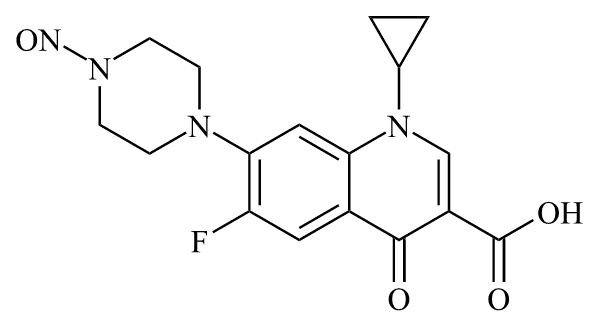
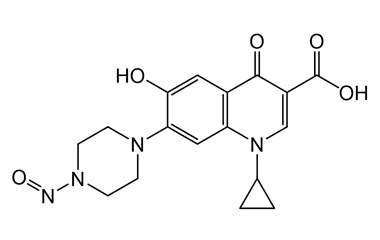
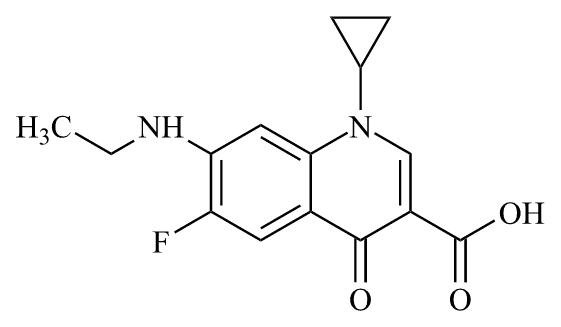
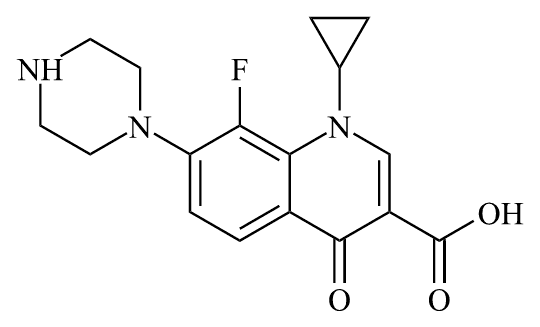
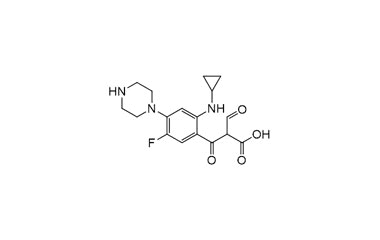


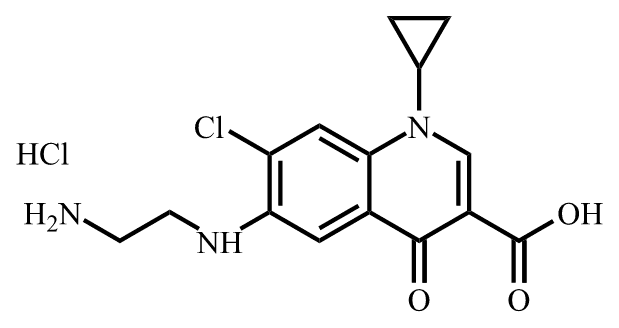


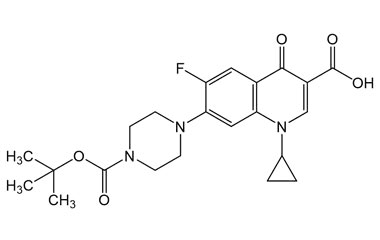
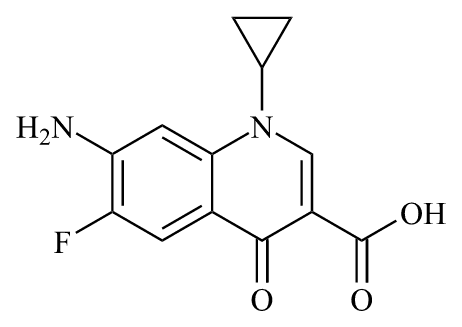
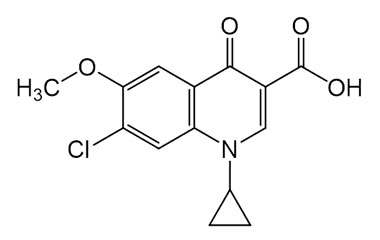


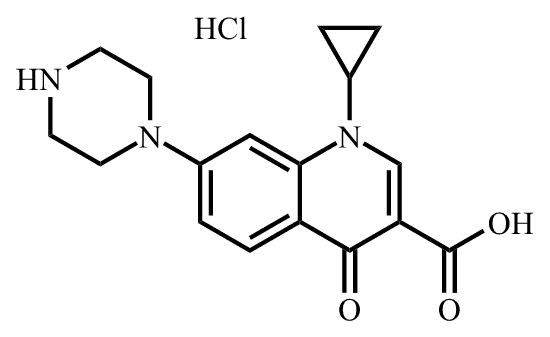
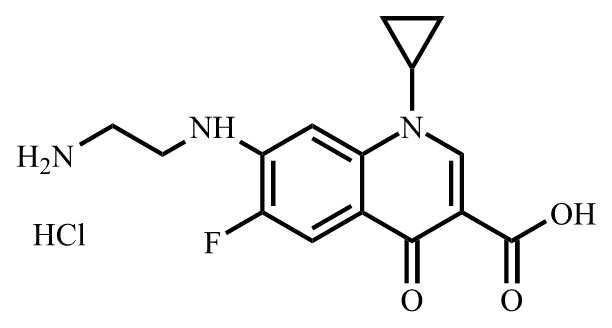
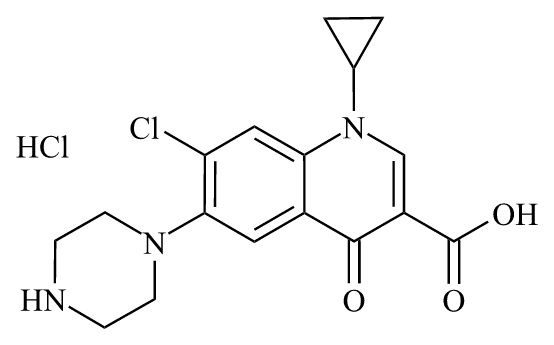


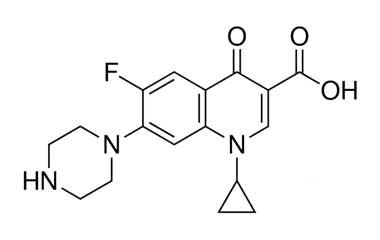


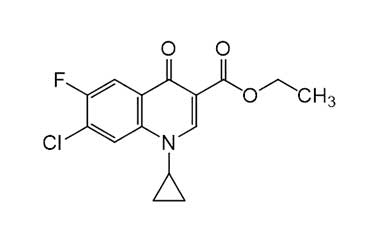
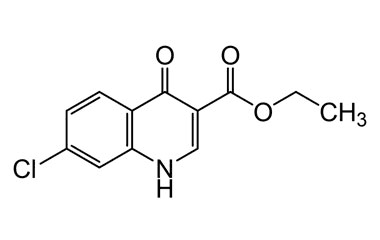
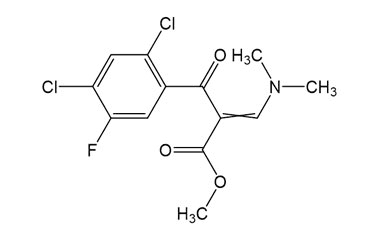
Ciprofloxacin is a broad-spectrum, second-generation fluoroquinolone antibiotic used to treat various bacterial infections, including those of the urinary tract, respiratory system, skin, and joints. It functions by inhibiting bacterial DNA gyrase and topoisomerase IV, enzymes essential for DNA replication and cell division. This category provides comprehensive access to high-quality reference standards, including synthetic impurities, degradation products, and stable isotope labelled compounds. Pharmaceutical laboratories utilize these materials for rigorous impurity profiling, method validation, and quality control workflows to ensure the safety and efficacy of the active pharmaceutical ingredient. By providing accurate materials for forced degradation studies and analytical quantification, these standards support compliance with regulatory guidelines. Whether for routine testing or complex pharmaceutical research, these compounds enable precise identification and characterization of related substances, ensuring consistent performance in high-performance liquid chromatography and other spectroscopic analytical techniques used throughout the drug development process.

